In today's globalized economic tide, re-export trade serves as a hidden yet vital economic artery, connecting markets across the world. Hubi, a city brimming with vitality, is also actively integrating into the trend of re-export trade. Are you curious about Hubi's performance and potential in the field of re-export trade? Let's delve into it together.
Unique Advantages of Hubi's Re-export Trade
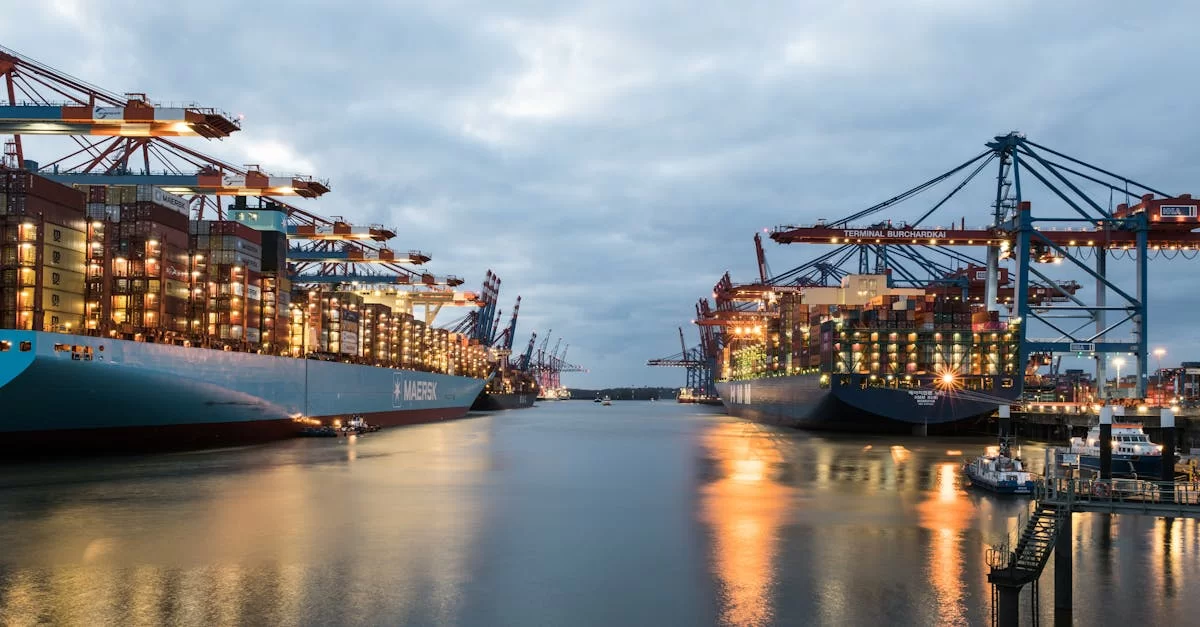
Firstly, Hubi possesses a naturally advantageous geographical location. Situated in the Central Plains region, its intricate transportation network, with extensive railways and highways, makes transit for goods exceptionally convenient, providing efficient logistics for transshipment. This allows Hubi to efficiently connect domestic and international markets, rapidly transferring goods to their destinations. For instance, Mr. Jia company, recognizing Hubi's convenient transportation, chose to re-export some of its goods through Hubi, significantly reducing transportation time and costs.
Secondly, Hubi's industrial foundation also provides strong support for re-export trade. The city boasts certain characteristic industries, such as advanced manufacturing. The high-quality products generated by these industries can better reach international markets and enhance their global competitiveness through re-export trade channels. Simultaneously, this attracts more international goods to transship through Hubi, forming a virtuous cycle.
Challenges Faced by Hubi's Re-export Trade
However, Hubi's re-export trade is not without its hurdles and faces numerous challenges. Among these, international market volatility is a major difficulty. Changes in the global economic landscape and the rise of trade protectionism can all affect the stability of re-export trade. For example, the recent imposition of higher tariff barriers by some countries has squeezed profit margins for goods re-exported by Mr. Jia company through Hubi.
Furthermore, the shortage of professional talent is also a significant factor constraining the development of Hubi's re-export trade. Re-export trade involves specialized knowledge across multiple fields, including international trade, logistics, and finance, requiring talent with comprehensive capabilities. Currently, Hubi's talent pool in this area is relatively insufficient, impacting the innovation and expansion of its re-export trade business.
Development Strategies for Hubi's Re-export Trade
In the face of these challenges, Hubi needs to actively explore development strategies. On one hand, it must strengthen communication and cooperation with international markets, stay abreast of international market dynamics, and proactively address trade risks. For instance, it can enhance cooperation with professional trade service agencies like Zhongmaoda to obtain more accurate market information and formulate rational trade strategies.
On the other hand, it is imperative to intensify efforts in cultivating professional talent. Hubi can collaborate with universities and training institutions to offer relevant specialized courses and train professionals adapted to the development of re-export trade. Concurrently, it should introduce preferential policies to attract outstanding talent from other regions, injecting fresh vitality into its re-export trade sector.
Hubi's re-export trade possesses unique advantages and immense development potential, but it also encounters considerable challenges. Only by fully leveraging its strengths, actively responding to challenges, and continuously exploring innovative development strategies can Hubi's re-export trade truly shine on the global economic stage. We hope more enterprises and talents will pay attention to Hubi's re-export trade and jointly promote its prosperous development.

Recent Comments (0) 0
Leave a Reply