In Nancheng, a land brimming with commercial vitality, import and export enterprises are numerous. The import and export tax refund policy serves as a spring breeze, propelling their development. However, many enterprises may wonder about the specific requirements for import and export tax refunds in Nancheng. Today, let us embark on an in-depth exploration together.
Enterprise Qualification Requirements
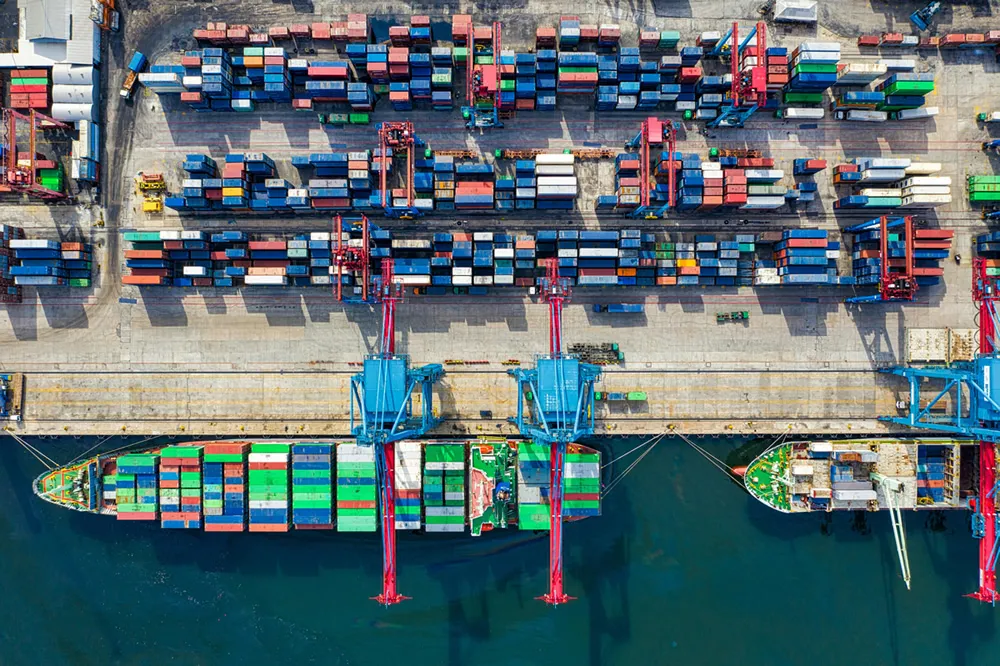
Firstly, enterprises must possess import and export operational rights, which is the fundamental threshold. Whether it's a domestic enterprise obtaining import and export rights through filing with relevant departments like the Bureau of Commerce, or a foreign-invested enterprise having import and export business scope upon establishment, legal import and export operational qualifications are the keys to unlocking the door to import and export tax refunds. For instance, Mr. Bi company only officially began enjoying the import and export tax refund policy after completing the filing and registration of its import and export operational rights.
Secondly, enterprises must be general VAT taxpayers. This is because only general taxpayers can offset the input VAT on goods or taxable services purchased, which is closely related to the calculation and operation of import and export tax refunds. If an enterprise is a small-scale taxpayer, it typically can only apply the exemption policy and cannot enjoy tax refunds.
Exported Goods Requirements
Exported goods must comply with relevant regulations. The goods must be declared for customs exit and then exported, meaning the goods have actually left China's customs territory and have relevant supporting documents such as customs export declarations issued by customs. Mr. Bi company once had a batch of goods that, due to issues in the customs declaration process, could not obtain a valid customs declaration form, thus affecting the tax refund application.
The goods also need to be treated as export sales in financial accounting. Enterprises must correctly account for export sales in their financial accounts according to accounting standards and other relevant regulations to confirm sales revenue. Only then can tax authorities review the tax refund application based on financial data.
Furthermore, exported goods must be within the scope of VAT and consumption tax. This means that only goods on which VAT and consumption tax have been paid at the domestic production stage can potentially enjoy the tax refund policy upon export. Some tax-exempt goods, when exported, cannot be processed for tax refunds.
Application Materials and Time Requirements
When applying for import and export tax refunds, enterprises must prepare complete application materials. These include customs export declarations, export invoices, purchase invoices, foreign exchange verification forms (currently, paper verification forms have been abolished in some regions and online verification is implemented), and others. These documents mutually verify the authenticity of the export business and the accuracy of the tax refund calculation.
In terms of timing, enterprises must collect all relevant supporting documents and apply for VAT and consumption tax exemption/refund for exported goods to the competent tax authority within each VAT tax declaration period from the month following the date of customs export declaration of the goods until April 30 of the following year. If overdue, enterprises are not allowed to apply for exemption/refund. Therefore, enterprises must strictly adhere to the time nodes to avoid losing tax refund rights due to delays.
Nancheng's import and export tax refund requirements involve multiple aspects, including enterprise qualifications, exported goods, and application procedures. Only by comprehensively understanding and strictly adhering to these requirements can enterprises successfully enjoy the import and export tax refund policy, securing more financial support and competitive advantages for their development. We hope that all enterprise operators will attach importance to these requirements, fully utilize this policy dividend, and shine brightly on Nancheng's commercial stage.

Recent Comments (0) 0
Leave a Reply