Mr. Ye recently encountered a troublesome issue: a batch of electronic accessories re-exported through Singapore, despite having declared transit certificates, was requested by customs to pay additional taxes. Similar cases have surged in recent years, and the tax cost of re-export trade is becoming the biggest "black box" in enterprises' cross-border transactions. Today, we will unveil this easily overlooked financial and tax puzzle.
The Tax Logic of Re-export Trade: Three Key Traps
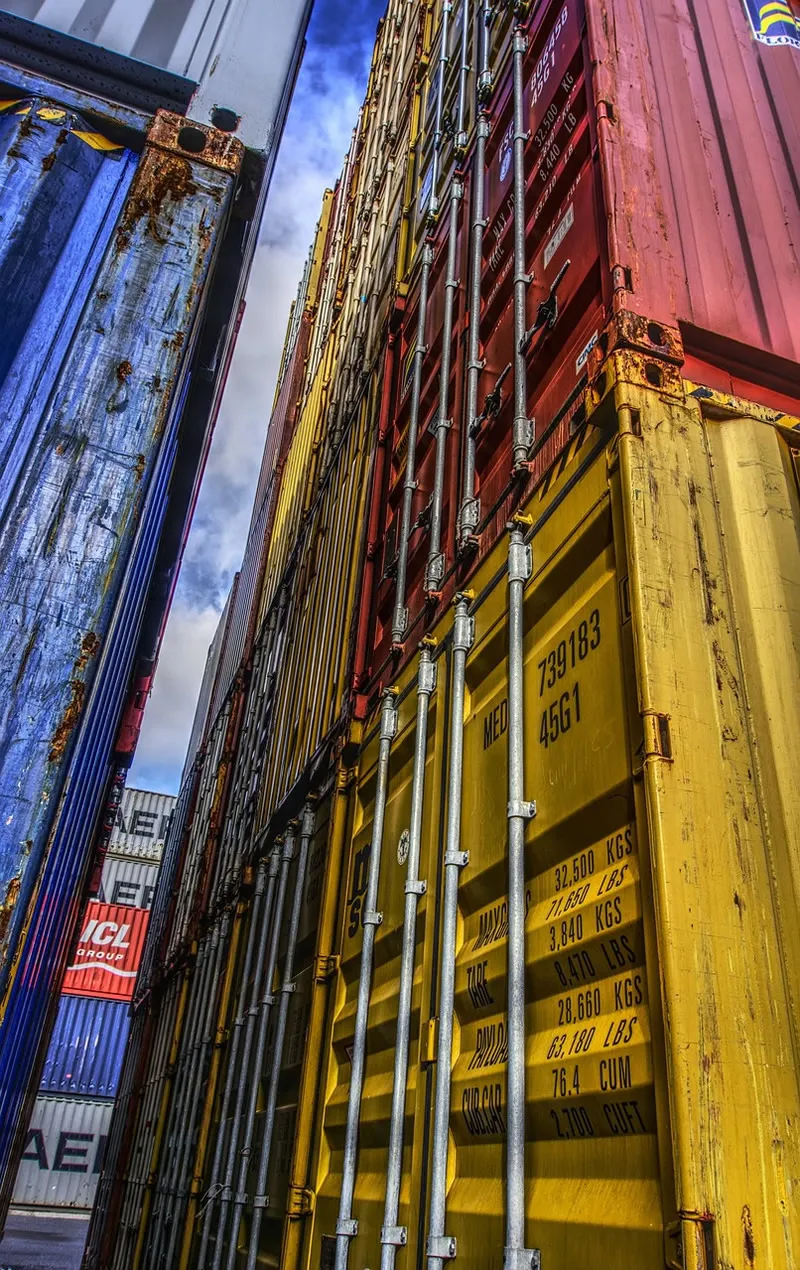
Unlike traditional direct trade, the tax calculation for re-export trade has special rules:
- "Transit Country ≠ Duty-Free Country": Mr. Ye once mistakenly believed that goods transiting through Hong Kong would automatically enjoy duty-free status. In reality, conditions such as no substantial processing in the transit country and a stay of no more than 3 months must be met;
- "The Butterfly Effect of Certificates of Origin": A batch of rubber products re-exported from Malaysia was subject to an additional 12% import duty at the ordinary tax rate due to incomplete information on the certificate of origin;
- "Tax Costs of Freight Apportionment": Under the CIF quotation model, if the transit freight is not itemized separately, it may be included in the dutiable value.
Practical Pitfall Avoidance Guide: Zhongmaoda Expert Recommendations
In response to common problems, professional institutions have summarized three lines of defense:
- Establish a taxation profile for transit countries, with a focus on the local customs' criteria for recognizing "temporary imports";
- Adopt a "three-segment contract" structure, clearly defining the rights and responsibilities of the exporting country, transit country, and destination country;
- Make good use of AEO certified enterprise qualifications. Customs advanced certification can reduce the inspection rate of transiting goods.
Future Trends: The Revolution of Transparency Brought by Digitalization
With the application of blockchain traceability technology, re-export trade is facing stricter tax supervision. Data from a cross-border e-commerce platform shows that cases of tax recovery due to incomplete re-export documents increased by 67% year-on-year in 2023. Enterprises are advised to:
- Deploy intelligent customs clearance systems in advance to automatically match tax code differences between transit countries and destination countries;
- Conduct quarterly re-export tax burden stress tests to simulate the comprehensive costs of different transit routes.
Is Your Re-export Chain "Tax-Resilient" Enough?
As the global supply chain restructuring becomes the norm, the tax planning capability of re-export trade will directly determine the enterprise's profit margin. Take a moment to check now: Is the duty payment certificate for your most recent re-export transaction complete? Are the warehousing records for the transit port traceable? Welcome to share your practical experience in the comment section, or send a private message to get the latest industry compliance manual.

Recent Comments (0) 0
Leave a Reply