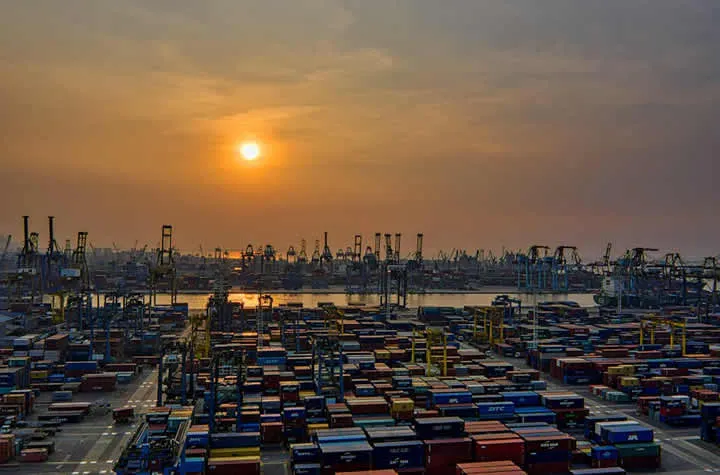
At Lianyungang port at 3 AM, cranes are unloading giant steel pipes printed with Russian letters. This batch of special cargo, having traveled across the Trans-Siberian Railway, is about to be sent to Liaoyang's energy base through Zhongmaoda's agency network. Few people know that behind these seemingly cold metal pipelines lies a multi-billion-dollar cross-border trade secret.
The "Customs Clearance Code" for Import Pipelines
When Mr. Kang first encountered import pipeline agency, he thought it was just simple customs declaration procedures. It wasn't until he witnessed a batch of alloy pipes stranded at the port for three months due to document issues that he understood the professional threshold of this industry. "If the steel pipe diameter error exceeds 0.5%, it's scrap iron," Mr. Kang said, pointing to the customs inspection report. Import pipeline agents need to control:
- Material Certification: matching international standards such as ASTM, EN
- Logistics Solutions: rust prevention for sea transport and seamless connection with inland transport
- Tariff Planning: tariff differences of up to 12% for different processing depths
Zhongmaoda's "Pipeline Economics"
On the transportation route from Lianyungang to Liaoyang, professional agents can create astonishing value. A batch of X70 grade pipeline steel, through pre-classification declaration, saved demurrage fees that covered the entire year's agency fees. More crucially:
- Winter transportation of Russian pipes requires temperature-controlled containers
- South Korean manufacturers' letter of credit payments have a 15-day payment term trap
- Differences in secondary quality inspection standards at Liaoyang local processing plants
These details constitute the core competitiveness of pipeline agency, and are also the secret behind Zhongmaoda serving over 200 energy enterprises.
When Traditional Trade Meets Digital Logistics
Now, by scanning the QR code on the pipes, one can view the complete traceability record from the Ural Mountains to the Liaoyang factory. But Mr. Kang still maintains the habit of visiting customs three times a week: "Some electronic documents from Russian suppliers still require manual verification against customs commodity codes." This industry is experiencing:
- Application of blockchain technology in certificates of origin
- AI image recognition replacing manual inspection of pipe welds
- Establishment of digitized bonded warehouses in Liaoyang
Are Your Pipelines Really on the Right Track?
Next time you see imported pipes stacked at a construction site, consider that they are crossing more than just geographical distances. From Lianyungang's tide schedules to Liaoyang's processing plant schedules, optimization of each link can lead to a 6-figure cost difference. Perhaps you should ask your supplier: Does the agency solution for this batch of pipes utilize the customs clearance wisdom of 2024?

Recent Comments (0) 0
Leave a Reply