Have you ever been deterred by the complex process of importing goods? From overseas procurement to domestic sales, the cumbersome intermediate steps often cause headaches. Today, we will unveil the complete business process of import trade agency, helping you easily master this "cross-border business wisdom."
I. Preliminary Preparation: Laying a good foundation is key

Before starting import trade, thorough preparation is crucial.First, it is necessary to clarify the HS code of the imported goods, as this directly relates to tariff rates and regulatory conditions. Mr. Chang once had goods detained at the port and paid high storage fees due to incorrect code classification.
- Market research: Analyze the domestic market demand and competitive landscape for target goods
- Supplier screening: Ensure supplier reliability through on-site inspections or third-party certifications
- Qualification processing: Complete necessary procedures such as import and export operating rights registration and electronic port cards
II. Contract Signing: A safety net for risk avoidance
International trade contracts are important legal documents that protect the rights and interests of both parties. Mr. Chang suggests paying special attention to the following points:
- Clarify trade terms (e.g., FOB, CIF), which determine the allocation of costs and the point of risk transfer
- Specify product specifications, quality standards, and acceptance methods in detail
- Formulate comprehensive breach of contract clauses and dispute resolution mechanisms
III. Logistics and Customs Clearance: Professional operation saves time and effort
This stage usually requires entrusting a professional customs broker to operate, and the main processes include:
- International transportation arrangements: Selection of sea/air freight methods and booking
- Document preparation: Commercial invoice, packing list, certificate of origin, etc.
- Customs declaration and clearance: Declare goods value truthfully, cooperate with customs inspection
- Tax and fee payment: Calculation and payment of customs duties, VAT, etc.
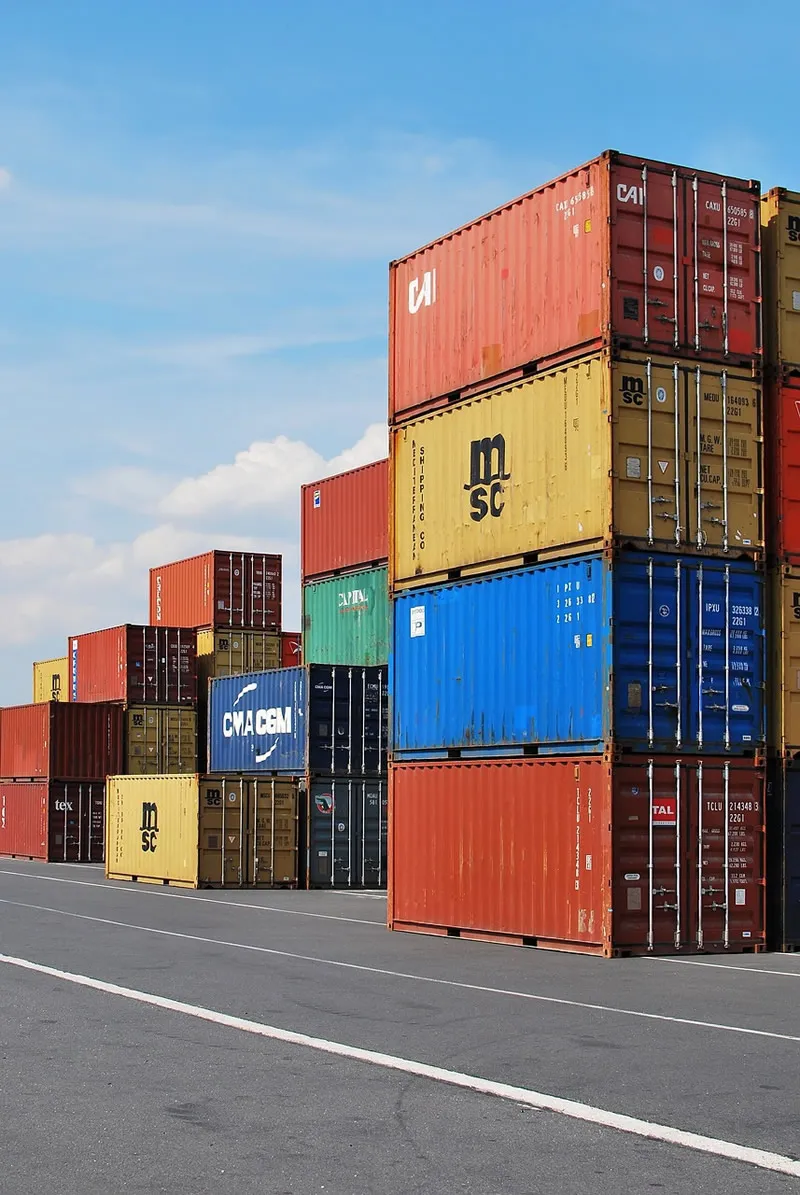
Zhongmaoda reminds that, understanding the regulatory conditions of goods in advance (e.g., whether CCC certification, health permits, etc., are required) can avoid customs clearance delays.
IV. Domestic Sales: The last mile to realize value
After goods are cleared through customs, the following steps must be completed before entering the domestic market:
- Warehousing and logistics: Bonded warehousing or direct delivery to sales terminals
- Chinese labeling: Produce Chinese product labels according to national standards
- Channel development: Establish online and offline sales networks
- After-sales service: Establish a comprehensive customer service system
With the rise of cross-border e-commerce, many enterprises have begun to adopt new models such as "overseas direct mail," which presents new challenges to traditional import agency businesses.
V. Continuous Optimization: Building a competitive advantage
Successful import agents often continuously improve in the following aspects:
- Supply chain integration: Establish long-term stable cooperative relationships with overseas suppliers
- Information technology construction: Adopt ERP systems to improve business process efficiency
- Compliance management: Timely follow up on changes in trade policies and regulations
- Value-added services: Provide extended services such as market analysis and brand promotion
In this era of globalization, import trade agency is full of opportunities while also facing challenges.Are you ready to seize the opportunities in cross-border trade? Welcome to share your experiences or questions in the comments section, and let us collectively explore the path to success in import business.

Recent Comments (0) 0
Leave a Reply