In today's globalized era, all kinds of delicious imported foods are constantly appearing in our lives, from rich coffee to exquisite chocolate, from unique seasonings to fresh fruits. However, for these foods to smoothly appear on our shelves and enter our dining tables, a crucial link behind them – food import customs clearance – is indispensable. Today, let's have a good chat about this key step that concerns the "global journey on the tip of your tongue."
What Exactly is Food Import Customs Clearance?
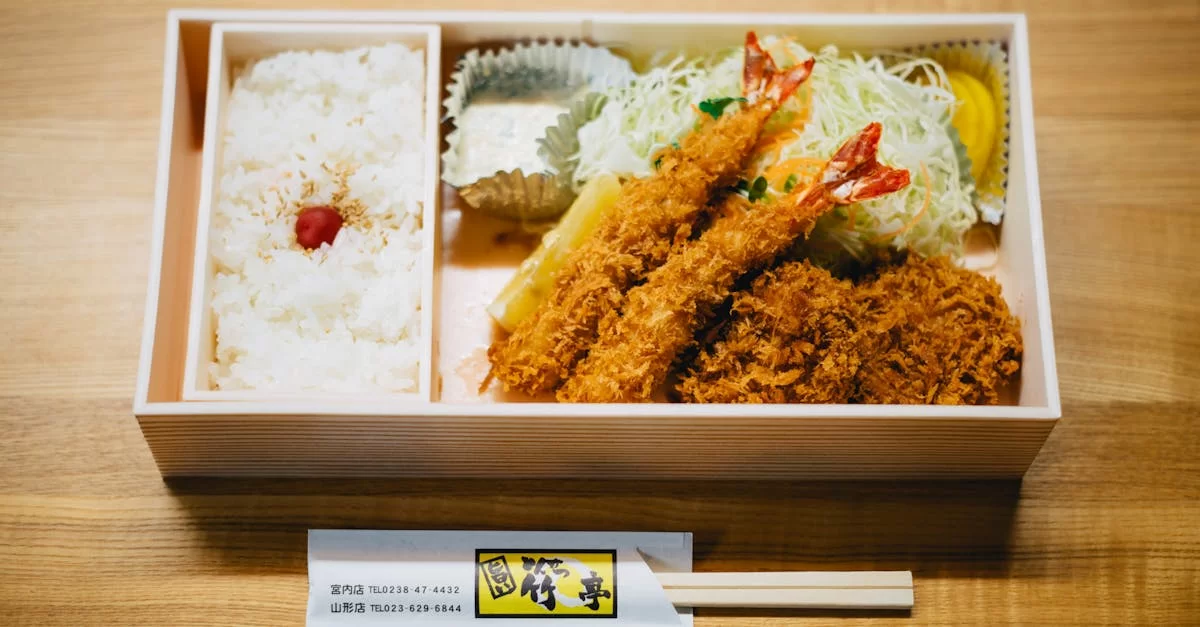
Food import customs clearance, simply put, refers to the series of procedures and processes that imported food must complete according to relevant regulations when entering the domestic market, to ensure that these foods meet the country's food safety standards, quality requirements, and so on. This is no simple matter, as it involves the supervision of multiple departments and the preparation of numerous documents.
Firstly, importers must prepare various documents, such as commercial invoices, bills of lading, packing lists, and so on. These documents are like the "identity certificates" of the food, detailing the origin, quantity, specifications, and other information of the food. Then, customs declaration must be made according to requirements, accurately filling in commodity information, including the type of food, ingredients, country of origin, and so on. Any mistake in this step could lead to clearance delays and affect the time to market for the food.
Moreover, different types of food may have different customs clearance requirements. For example, fresh fruits may require special attention to pest and disease conditions and whether they meet the country's quarantine standards; while processed foods may focus more on ingredient labeling and whether the use of additives is compliant.
Why Should Food Import Customs Clearance Be Taken Seriously?
For consumers, a strict food import customs clearance process is an important line of defense to ensure the safety on our "tip of the tongue." Only after layers of inspection and review can we confidently enjoy the delicacies from all over the world. Imagine if these clearance procedures did not exist; some foods that do not meet safety standards could flood the market, which would be too dreadful!
For importers, successfully completing food import customs clearance is also of paramount importance. It affects whether business can be conducted normally, whether products can be launched to the market on time, and profits can be made. If problems are encountered in the clearance process, it will not only increase costs but also potentially lead to missed business opportunities.
Zhongmaoda's Advantages in Food Import Customs Clearance
In the complex field of food import customs clearance, Zhongmaoda possesses extensive experience and a professional team. They are familiar with the customs clearance requirements for various foods and can handle all kinds of procedures accurately and efficiently for importers.
Zhongmaoda's staff meticulously review every document to ensure the accuracy of declaration information. They also closely monitor the progress of the customs clearance process and promptly address any potential issues, saving importers time and effort. Whether it's for small-scale imports of specialty foods or large-scale commercial food imports, Zhongmaoda can provide high-quality services, helping imported foods smoothly arrive on domestic soil.
Although food import customs clearance may seem tedious, it is a crucial link that ensures we can safely enjoy global cuisine. We hope that through today's introduction, everyone has gained a deeper understanding of it. If you are an importer, you must take it seriously; if you are just a food lover, next time you taste imported delicacies, don't forget to think about the entire clearance process behind them. Do you have any questions or thoughts about food import customs clearance? Welcome to leave a message and discuss in the comment section.

Recent Comments (0) 0
Leave a Reply