In the tide of economic globalization, foreign trade export holds boundless business opportunities, attracting numerous enterprises and entrepreneurs to delve into it. However, for novices, foreign trade export is like a mysterious sea, full of the unknown and challenges. Today, we will unveil the mystery of foreign trade export and provide a detailed explanation of how to export.
Preliminary Market Research and Target Setting
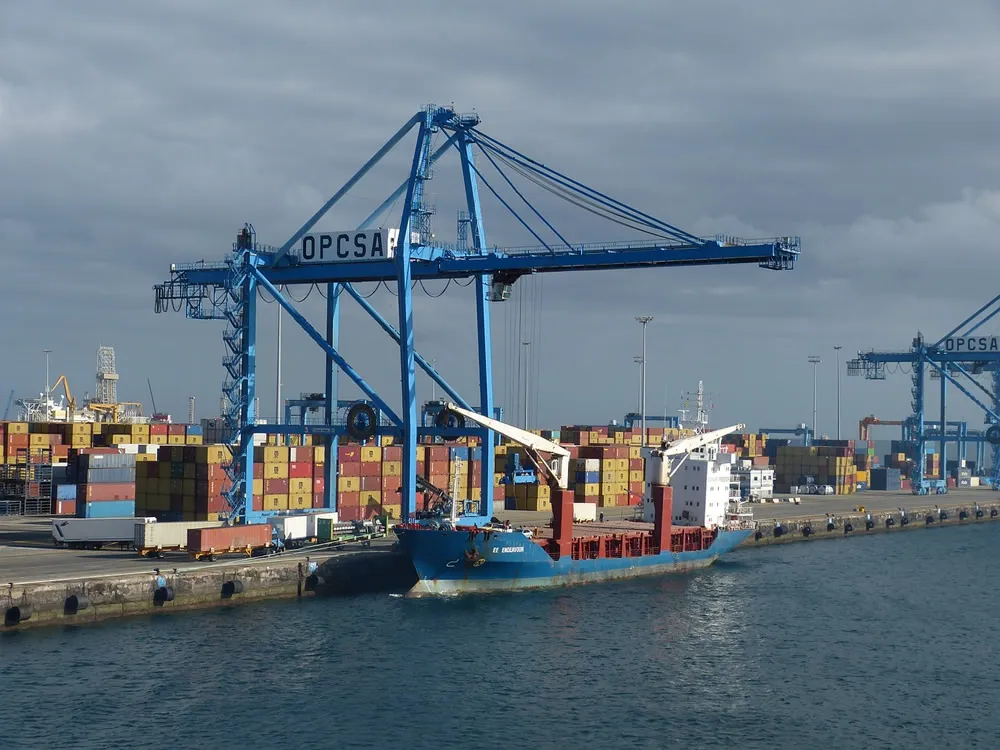
The first step in foreign trade export is in-depth market research. It is crucial to identify target markets and understand the policies, regulations, cultural customs, consumption habits, and market demands of different countries and regions. For instance, the European market has high requirements for environmental standards, while the Middle East may focus more on product cost-effectiveness. Through market research, accurately position your target audience, thereby adjusting your product strategy and producing products that meet the demands of the target market. Simultaneously, analyze competitors to identify the differentiated advantages of your own products, laying a foundation for the smooth entry of your products into the international market.
Building a Professional Foreign Trade Team or Seeking an Agent
Foreign trade business involves professional knowledge in international trade rules, foreign language communication, and document handling. Enterprises can build a professional foreign trade team, with members including foreign trade sales representatives responsible for customer development and maintenance, document clerks handling various export documents, and order follow-up personnel tracking production and shipment processes. If an enterprise is temporarily unable to form a team, it can also seek professional foreign trade agency companies, such as Zhongmaoda. They are experienced and can assist enterprises in handling a series of complex matters, from customs declaration and inspection to transportation and settlement, thereby reducing operational costs and risks for the enterprise.
Product Preparation and Certification
Ensuring product quality meets the standards of the target market is paramount. Different countries and regions have strict regulations regarding product quality, safety, and environmental protection. For example, products exported to the European Union mostly require CE certification; some products exported to the United States must comply with UL standards. Enterprises should understand and prepare the relevant certifications in advance to ensure smooth customs clearance and avoid cargo delays or returns due to missing certifications. At the same time, pay attention to product packaging, which should not only protect the product from damage during transportation but also comply with the aesthetic and cultural habits of the target market.
Customer Acquisition and Relationship Building
Online, you can publish product information on various B2B platforms, such as Alibaba International Station and Global Sources, to attract potential customers. You can also utilize social media platforms, such as LinkedIn, to expand your network and tap into customer resources. Offline, participate in well-known domestic and international exhibitions, such as the Canton Fair and the Hannover Messe, to communicate with customers face-to-face, showcase product advantages, and build trust. When negotiating cooperation with customers, clearly and precisely communicate important information such as product details, pricing terms, and delivery dates, and sign detailed and standardized contracts to protect the rights and interests of both parties.
Export Customs Declaration and Transportation
Once the goods are ready, export customs declaration is required. Enterprises can declare to the customs themselves or entrust a customs broker as an agent. Accurate and complete documents must be provided during customs declaration, including commercial invoices, packing lists, customs declaration forms, bills of lading, etc. For transportation, choose suitable transportation methods based on the characteristics of the goods and customer requirements. For example, sea freight is suitable for large quantities of goods, air freight is fast but costly, and rail transport has unique advantages along the "Belt and Road" countries. Meanwhile, purchase cargo insurance to reduce risks during transportation.
Foreign trade export is a complex yet opportunity-rich field. By conducting thorough market research, building a professional team, preparing products and certifications, actively seeking customers, and properly handling customs declaration and transportation, enterprises can ride the waves in the international market and embark on a successful foreign trade export journey. We hope all foreign trade practitioners can achieve great success on this vast stage, and you are welcome to share your foreign trade experiences and insights in the comment section.

Recent Comments (0) 0
Leave a Reply