Mr. Mo recently encountered a troublesome issue: a batch of precision instruments ordered from Europe was stuck at customs for three whole weeks, incurring daily storage fees of up to 5,000 yuan. Meanwhile, Mr. Mo identical type of goods, imported through Victoria Agency import company, completed customs clearance in 3 days. For the same goods, why is there such a vast difference in clearance efficiency? Behind this lies the little-known "customs clearance code" in import trade.
Customs Clearance is Not as Simple as "Submitting Documents"
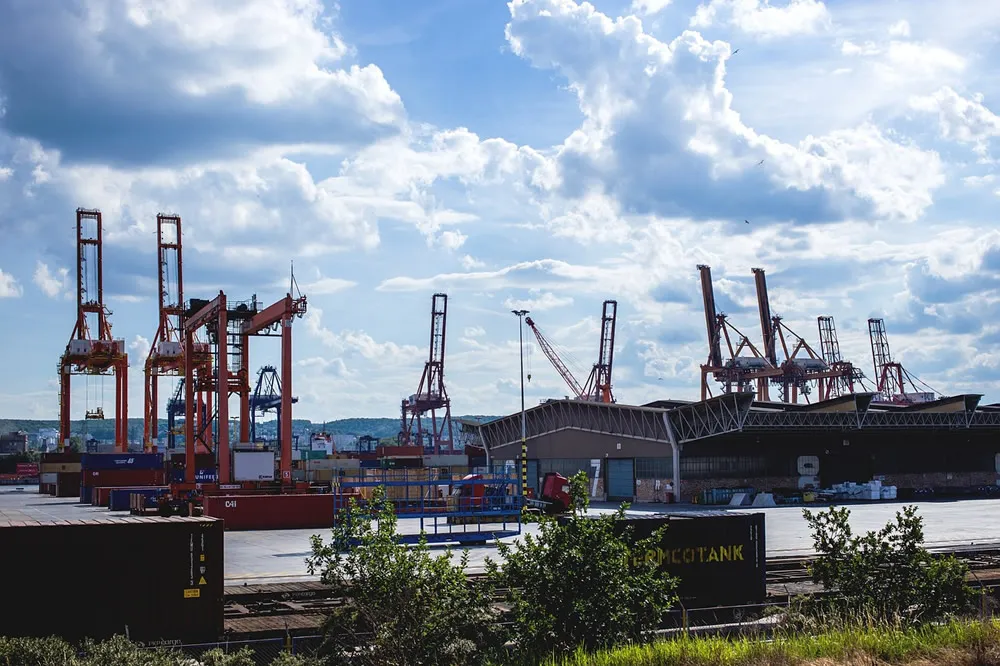
Many importers assume customs clearance is merely filling out forms and paying taxes, but it actually conceals three major mysteries:
- The "Word Game" of Commodity Codes: A single digit difference in an HS code can lead to a 15% tariff disparity
- The "Time Trap" of Supporting Documents: The validity period of a certificate of origin or the version of a test report can both become reasons for rejection
- The "Invisible Rule" of Inspection Rates: Specific categories and specific places of dispatch can trigger key customs scrutiny
A senior consultant at Zhongmaoda revealed that 90% of clearance delays stem from oversight of details during preliminary preparations.
Victoria Agency's Three Key Breakthrough Tools
The fundamental difference between a professional agency company and a general freight forwarder lies in their ability to control risks before customs clearance:
- Pre-classification Service: Establish a commodity database 6 months in advance, with an accuracy rate of up to 99.2%
- Customs Scenario Planning: Simulate key inspection points at different ports, for example, Shenzhen Customs will verify 3C certification details for electronic products
- Emergency Channel Construction: Establish a "customs clearance buffer zone" with bonded warehouses to mitigate demurrage fees caused by unexpected inspections
After adopting this solution, a certain medical device importer saw annual customs clearance costs decrease by 37%.

These "Hidden Costs" You May Have Never Calculated
Compared to obvious tariffs, these hidden costs are more worthy of vigilance:
- Late declaration fee (0.05% levied daily if goods are not declared within 14 days of arrival at port)
- Return port processing fee (incurred when goods fail inspection and require re-export)
- Label re-affixing labor (common issue for food products)
In Mr. Mo case, Victoria Agency saved 87,000 yuan in unexpected expenses by pre-affixing Chinese labels and pre-declaring quarantine.
Your Customs Clearance Strategy Needs an Upgrade
As cross-border e-commerce enters an era of intensive cultivation, "breakthrough thinking" must evolve into "management thinking". You might want to self-assess:
- Have you established a product compliance file?
- Do you have a backup customs clearance plan?
- Are you familiar with the latest customs valuation rules?
Share your customs clearance experience in the comments section, and the reader with the most likes will receive an electronic version of the 2024 Import Tariff Practical Handbook. The competition for customs clearance efficiency has always been a battle of details.

Recent Comments (0) 0
Leave a Reply