In today's globalized business wave, re-export trade, as a unique form of trade, is playing an increasingly important role. It is like a bridge in the field of trade, connecting supply and demand at both ends in different countries and regions. Today, let's take a closer look at what re-export trade is all about through some specific examples.
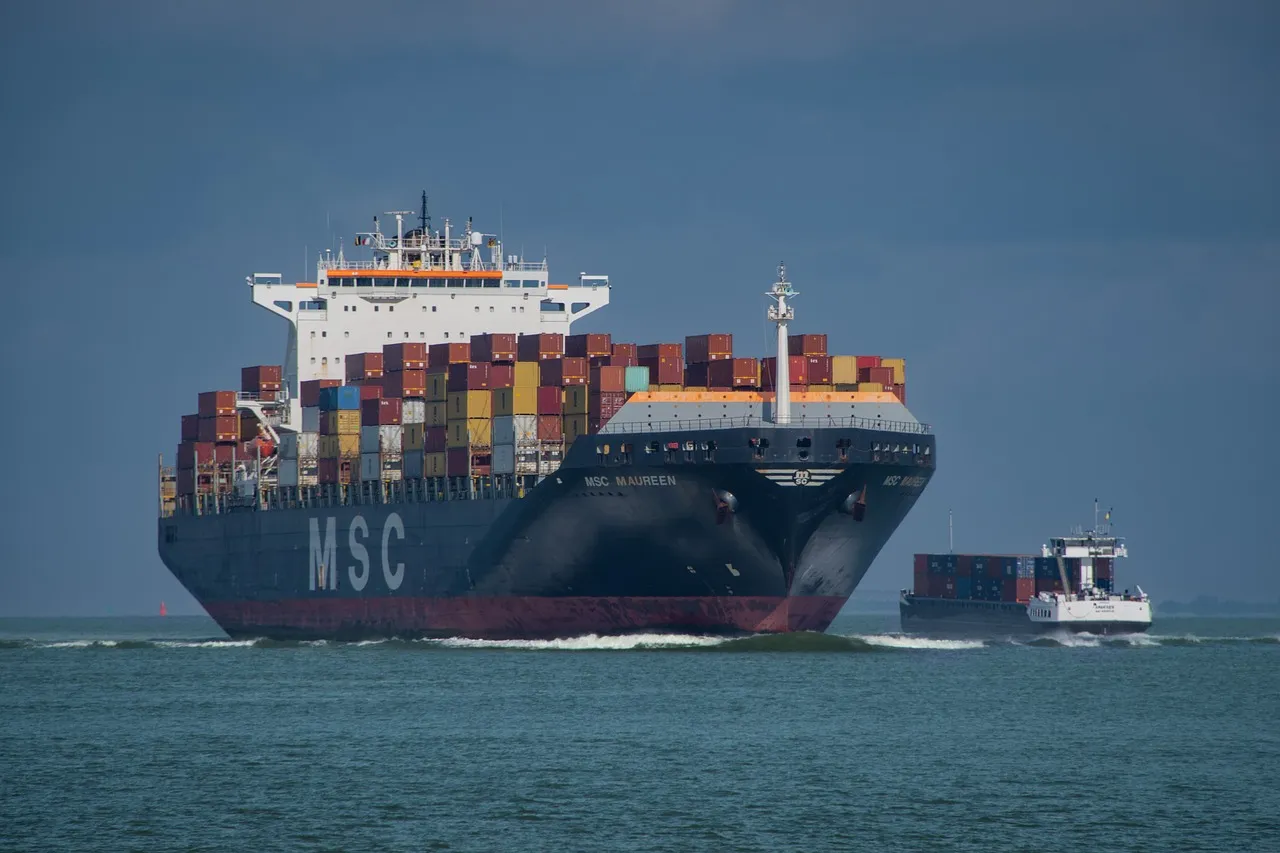
I. Zhongmoda's Re-export Trade Case for Electronic Products
Mr. Yang is a member of Zhongmoda responsible for trade operations. On one occasion, the company received a large order from a European client requiring a substantial quantity of a certain brand of high-end electronic products. However, the country of origin of these electronic products had imposed certain trade restrictions on this European country, making direct export face numerous challenges such as high tariffs.
Zhongmoda then considered the method of re-export trade. They first procured these electronic products from the country of origin, then transported them to a warehouse in a Southeast Asian country with more lenient trade policies for storage and simple processing, such as changing packaging, affixing labels in the local language, etc. Subsequently, these processed electronic products were re-exported from this Southeast Asian country to the European client. In this way, they skillfully bypassed the trade restrictions faced by direct export from the country of origin, while also saving the client significant costs, and Zhongmoda earned considerable profits. This case demonstrates that re-export trade can play a unique advantage in dealing with trade barriers and finding new business opportunities.
II. Zhongmoda's Re-export Trade Situation for Apparel
Mr. Yang apparel trade department at Zhongmoda also had a successful re-export trade operation. At that time, Zhongmoda discovered a significant demand for a certain type of fashion apparel in a certain African market. However, the country producing these apparel faced issues with inconvenient transportation routes and complicated customs procedures when engaging in direct trade with that African country.
Therefore, Zhongmoda decided to engage in re-export trade. They first transported the apparel from the production country to a free trade port in the Middle East. There, they carried out sorting and quality inspection of the apparel to ensure that the quality met the requirements of the African market. Then, the apparel was transshipped from this free trade port to the target market in Africa. By leveraging the convenient logistics and favorable trade environment of the free trade port, Zhongmoda not only successfully delivered the apparel to their African clients but also improved the efficiency of the entire trade process, further expanding their market share in Africa. This fully reflects the role of re-export trade in optimizing trade routes and resolving logistics and procedural challenges.
Inspirations and Reflections from Re-export Trade
From the specific re-export trade examples of Zhongmoda above, it can be seen that re-export trade has numerous advantages. It can help enterprises break through trade barriers, explore new markets, optimize trade processes, and reduce costs. However, re-export trade is not without its risks, such as potential policy changes in transit countries and the control of warehousing and logistics costs.
For enterprises to successfully conduct re-export trade, they need to have a deep understanding of the trade policies of various countries, be familiar with the characteristics of different transit locations, and possess strong logistics and supply chain management capabilities. It is hoped that through these examples, everyone will have a clearer understanding of re-export trade, and it is also encouraged for everyone to consider how to better utilize re-export trade to contribute to their business development in their commercial activities.

Recent Comments (0) 0
Leave a Reply