When a cargo ship laden with Southeast Asian rubber quietly docks at Qingdao Port, and three days later, these goods are shipped to Europe with a "Made in China" label – this is not smuggling, but the daily routine of re-export trade. As a northern port hub, Qingdao, with its unique geographical advantages and policy dividends, is becoming an "invisible springboard" for multinational corporations to circumvent tariffs and optimize supply chains. Today, let's uncover the operational secrets of this mysterious trade chain.
Why Do Global Companies Prefer to "Take a Detour" via Qingdao?
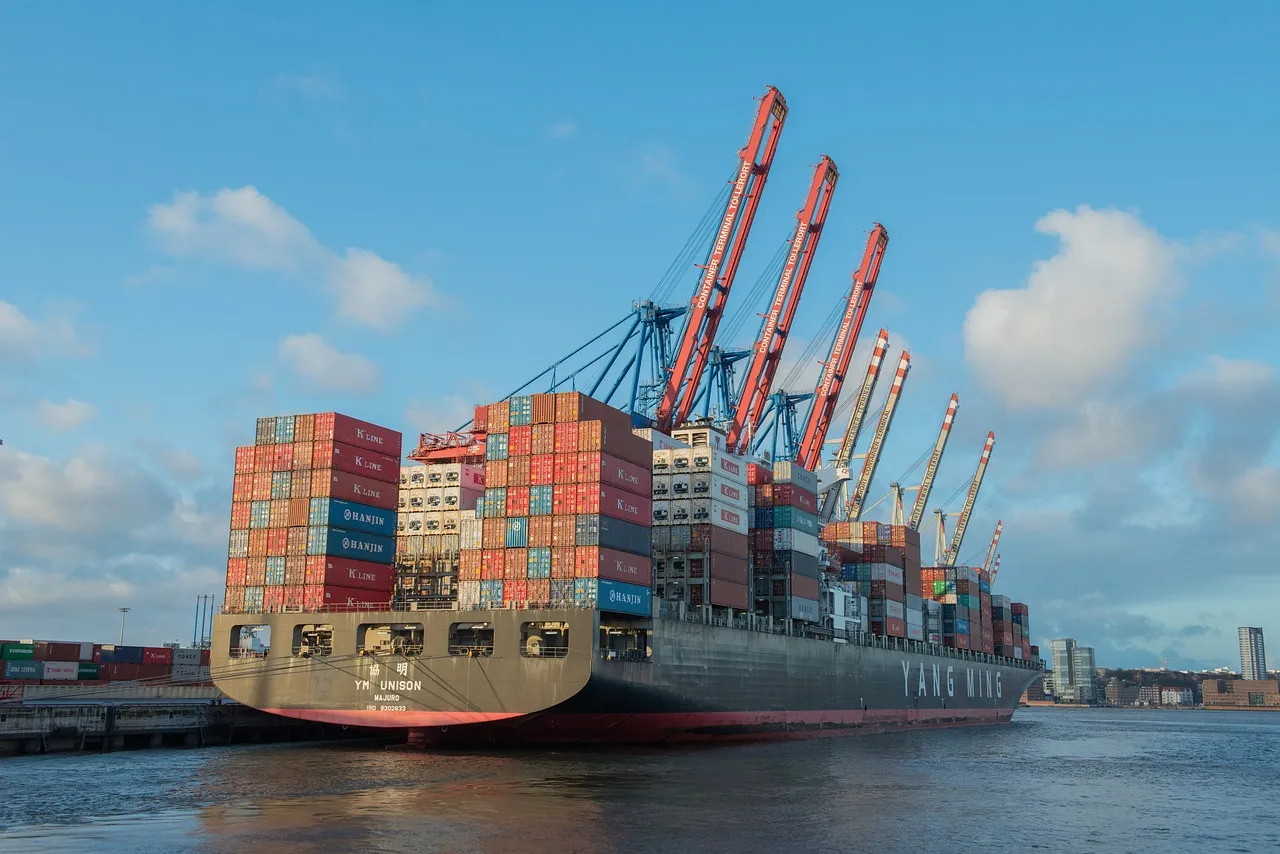
In the Qingdao Free Trade Port Area, Mr. Cui logistics company handles 200 TEUs of re-export cargo every week. "For bicycle parts from Vietnam to the United States, after completing container exchange and relabeling in Qingdao, the tariff cost is directly reduced by 37%." This model of "physical non-landing, documents flying globally" is the core competitiveness of re-export trade:
- Geographical Advantage: Qingdao Port has the highest international route density in the north, with 45 international routes covering major RCEP countries.
- Cost Advantage: Warehouse costs in the bonded area are 60% lower than in Singapore, while operational efficiency is 20% higher.
- Policy Dividends: Companies like Zhongmaoda can enjoy customs clearance convenience of "advance declaration + two-step declaration."
Survival Guide for the "Grey Area" of Re-export Trade
Mr. Cui chemical raw materials trade was once fined by the EU due to issues with origin certification. Under the guidance of Qingdao Customs, she figured out a three-pronged approach for compliance:
- "Three-level verification" of original documents: Purchase contracts, transportation documents, and payment vouchers must form a closed loop.
- "Clear operation" of goods ownership transfer: Maintain image records for all transit stages.
- "Dual-track" tax structure: Hong Kong company handles financial flows, Qingdao entity controls goods ownership.
This kind of business, "dancing on a tightrope," tests a microscopic understanding of international trade rules.
How Digital Technology is Reshaping Traditional Re-export Models?
A blockchain platform in Qingdao recently launched a "Re-export Trade Traceability System," which uses:

- Smart containers to automatically record temperature, humidity, and the number of times the container has been opened.
- AI recognition system to compare the consistency of cargo appearance.
- Digital twin technology to simulate costs of different customs clearance routes.
The transit process, traditionally taking seven days, can now be verified end-to-end within 72 hours. Technology is making this industry, which operates on the edge of rules, transparent and controllable.
Is Your Industry Suited for "Borrowing a Road" via Qingdao?
Re-export trade is not a universal solution. These signals suggest you might need it:
- The main market imposes anti-dumping duties of over 15% on Chinese products.
- The supply chain involves more than three countries/regions.
- The unit volume value of goods exceeds USD 200 per cubic meter.
Standing in the sunset glow of Qingdao Port, watching the container gantry cranes move back and forth, perhaps it's time to rethink: Is the next opportunity in global trade hidden in the wisdom of these "" (detours for national salvation)? Welcome to share your re-export experiences or questions in the comment section.

Recent Comments (0) 0
Leave a Reply