When people talk about international trade, images that often come to mind are the container clusters at Shanghai's Yangshan Port or the busy docks of Shenzhen's Shekou. But you might not imagine that in Ankang City, located in the heart of the Qinling Mountains, a "quiet revolution" in re-export trade is underway. This city has no seaport, yet it enables "Made in China" products to reach the global market through a combination of land and air transport—today, we will decode the unique foreign trade code of this inland city.
What is Ankang's "Re-export Trade Model"?
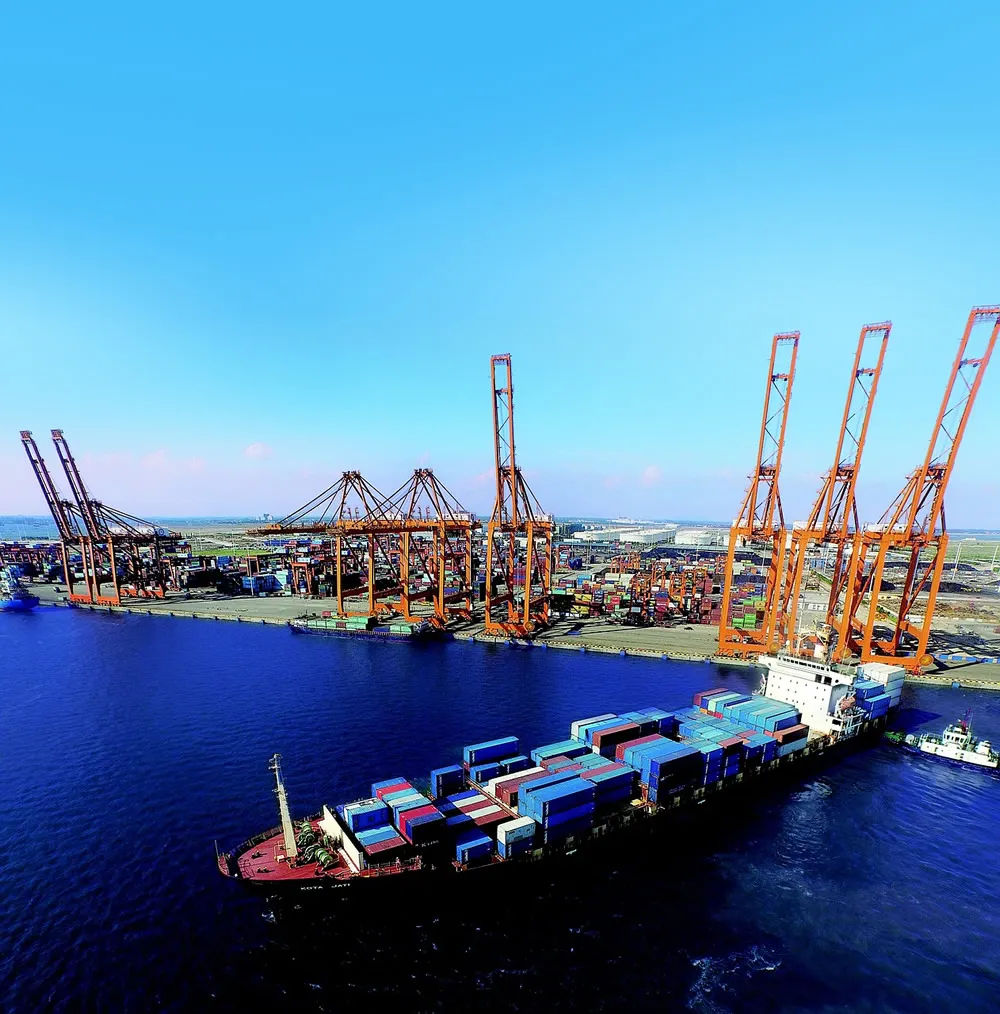
Unlike traditional coastal re-export trade, Ankang has creatively transformed its geographical disadvantages into advantages. Mr. Luo electronic components company is a typical case: goods procured from the Yangtze River Delta are first transported to the Ankang Bonded Logistics Center, then "packaged" and transported to Almaty, Kazakhstan via the China-Europe Railway Express, and subsequently distributed to Central Asian countries. This "China-Ankang-Third Country" route saves 18% in logistics costs compared to direct transportation.
- Cost Advantage: Enjoy tax benefits from the Western Development Strategy + policy benefits from the bonded zone
- Timeliness Assurance: Forms a rapid "multimodal transport" channel with Xi'an Airport
- Product Specialization: Selenium-rich foods, plush toys, and biomedicine have become the mainstays
Business Opportunities Hidden in the Data
According to Ankang Customs data for 2023, the value of re-export trade increased by 217% year-on-year. Among this, three phenomena are worth noting:
1. Cross-border e-commerce re-exports account for 34%. Mr. Luo team uses Ankang to re-export small commodities from Yiwu to Eastern Europe, achieving a 48-hour delivery promise through TikTok shops;
2. Investment in cold chain re-export facilities has expanded the export radius of specialty agricultural products like konjac to the Middle East;
3. Zhongmao Da's intelligent warehousing system has improved cargo sorting efficiency to 90% of the level of coastal bonded warehouses.
Challenges and the Path Forward
Despite rapid development, a shortage of professional talent remains a bottleneck. A logistics company supervisor revealed: "Compound talents who understand multimodal transport and are familiar with RCEP rules are already commanding salaries higher than those in first-tier cities." In response, the local government is taking the following measures:
- Jointly establish an "International Land Port Talent Class" with Xi'an universities
- Set up a special subsidy of 20 million yuan to attract professionals from coastal areas to return
- Develop a "Re-export Trade Simulation Sandbox" training system
Is Your Enterprise Suitable for Participation?
The criteria are quite simple: if your products are characterized by "high added value, small volume, and multiple shipments", or if you need to develop emerging markets along the "Belt and Road" initiative, consider these three signals:
• The Ankang-Chongqing rail-sea multimodal transport corridor is expected to open in Q3 2024
• A cold chain dedicated line for Southeast Asian fruits transiting through Ankang to Russia is undergoing testing
• Zhongmao Da is about to launch an intelligent matching platform for re-export trade
This city in the Qinba Mountains is proving: there are no permanent inland players on the international trade chessboard. The next time you see a product labeled "Made in China" that is shipped from Almaty, it might carry the story of Ankang's re-export trade.

Recent Comments (0) 0
Leave a Reply