Driven by the wave of economic globalization, international trade exchanges are becoming increasingly frequent. The import agency industry has emerged and continues to develop. Simply put, import agency refers to professional agency companies that accept commissions to handle import-related business for clients, covering a series of tedious processes from goods procurement, transportation, customs declaration to customs clearance. For enterprises and individuals lacking international trade experience or resources, import agency is like a bridge, helping them smoothly enter the international market.
Opportunities Facing Import Agencies
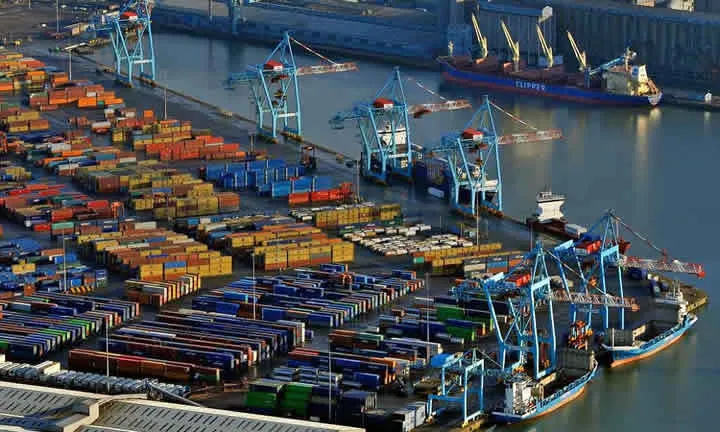
Firstly, the continuous upgrade of the domestic consumption market provides broad space for import agencies. With the improvement of people's living standards, consumer demand for high-quality and diversified imported goods has surged. High-end skincare products from Europe, premium milk powder from Australia, or exquisite small home appliances from Japan are all highly sought after. Import agency companies, with their professional advantages, can accurately connect with overseas suppliers, meet the demands of the domestic market, and thus gain substantial profits.
Secondly, the policy environment is continuously optimizing. In recent years, China has introduced a series of favorable policies to promote trade facilitation, such as simplifying customs declaration procedures and reducing import tariffs. These policies not only reduce import costs but also improve customs clearance efficiency, making import agency operations more convenient. For instance, the "Single Window" service promoted by customs allows enterprises to complete multiple declarations through one platform, greatly saving time and labor costs.
Furthermore, the development of digital technology empowers import agencies. Nowadays, technologies such as big data and artificial intelligence are widely applied in the field of international trade. By leveraging digital platforms, import agency companies can achieve real-time monitoring of supply chains, accurately predict market demand, optimize logistics and distribution solutions, and improve service quality and operational efficiency.
Challenges Facing Import Agencies
However, the import agency industry is not without its challenges. The international trade situation is complex and volatile, with rising protectionism, fluctuating tariffs, and increased trade barriers, all bringing uncertainty to import agency business. For example, a sudden increase in import tariffs by certain countries can lead to a significant rise in import costs, affecting the profit margins of agency business.
At the same time, industry competition is intensifying. As the pie of the import agency market continues to grow, more and more enterprises are entering, leading to increasingly fierce market competition. Some small agency companies, in order to win customers, are forced to lower prices, resulting in a decline in industry profit levels. Moreover, customers' demands for service quality are also becoming higher and higher. How to stand out from the competition and provide differentiated, high-quality services is a question that every import agency company needs to consider.
In addition, supply chain risks cannot be ignored. The outbreak of the global pandemic has made us profoundly aware of the fragility of supply chains. Problems such as logistics disruptions, port congestion, and cargo backlogs occur from time to time. Import agency companies need to have strong adaptability to cope with various emergencies and ensure the timely and safe delivery of goods.
Prospects of Import Agencies
Despite the challenges, the prospects of the import agency industry remain bright. As China further expands its opening-up and builds a new development pattern with domestic circulation as the mainstay and domestic and international dual circulations reinforcing each other, the import market is expected to continue to expand. As long as import agency companies keep pace with market trends, continuously improve their professional capabilities and service levels, strengthen digital transformation, and actively respond to various risks, they can ride the wind and waves in this blue ocean.
For instance, they can strengthen in-depth cooperation with suppliers and customers to establish long-term and stable strategic partnerships; increase investment in technological research and development, and use big data analysis to optimize business processes; improve the professional quality of employees and build a high-caliber service team.
In summary, the import agency industry presents both opportunities and challenges. Practitioners need to maintain keen market insight, continuously innovate and reform, in order to secure a foothold in future market competition and promote the sustained and healthy development of the industry. Let us look forward to the import agency industry creating more brilliance in its new development stage.

Recent Comments (0) 0
Leave a Reply