When toys sourced by Mr. Li from the Yiwu Small Commodity Market appeared on the shelves of Mexican supermarkets, these products bore "Made in Vietnam" labels. This is not smuggling, but the daily operation of overseas re-export trade, with an annual transaction volume exceeding one trillion dollars. Today, we will unveil this "commercial magic trick" that connects the global industrial chain.
The Triple Masks of Re-export Trade
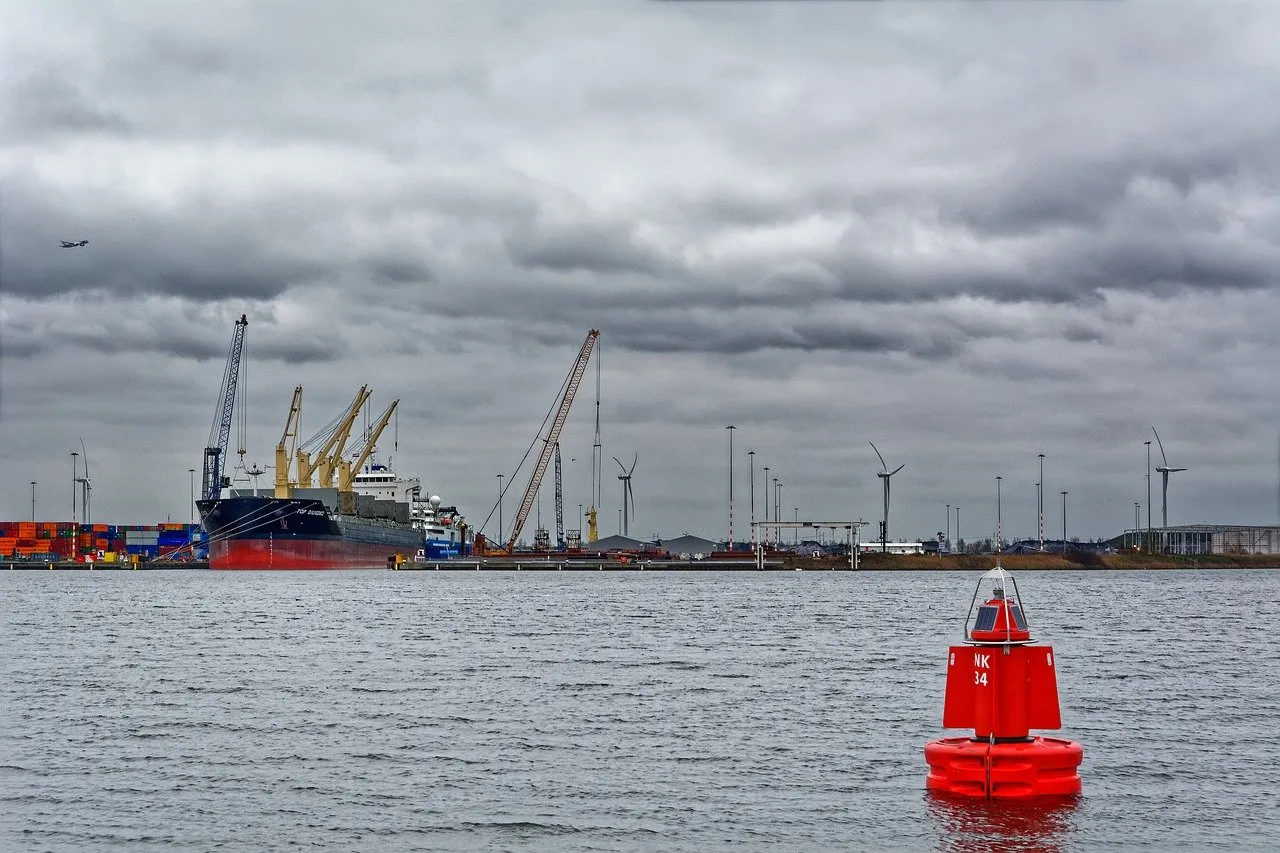
Unlike direct import and export, re-export trade acts as an "intermediary" in international trade, where goods undergo an "identity transformation" in a third country:
- Logistics Hub: 30% of containers at the port of Singapore only make a brief stopover before being immediately shipped to their final destination after changing vessels.
- Tax Optimizer Mr. Li reduced tariffs from the original 25% to 5% through re-export via Malaysia.
- Trade Firewall Certain restricted goods can bypass trade barriers through compliant re-export.
Key Operational Process Illustrated
Typical re-export trade involves five precise steps:
- Domestic suppliers ship goods to a bonded warehouse in the transshipment country.
- The transshipment country completes "identity remodeling" such as relabeling and repackaging.
- Documents such as the certificate of origin from the transshipment country are applied for.
- The final export is handled by an agent in the transshipment country.
- Funds are settled through offshore accounts.
Zhongmaoda's case shows that this process can reduce comprehensive costs by 18-35%.
Balancing Risk and Compliance
The seizure of a "fake re-export" case involving 20 million US dollars in Dubai in 2023 serves as a warning:
- Forging certificates of origin may lead to confiscation of goods.
- Sudden changes in the transshipment country's policies can break the supply chain.
- Inconsistent fund flows may trigger anti-money laundering investigations.
Professional institutions recommend maintaining three sets of evidence chains: complete proof of logistics trajectory, proof of payment, and quality inspection reports.
New Play with Digitalization
Blockchain technology is reshaping re-export trade:
- Smart contracts automatically trigger transshipment processes.
- Electronic certificates of origin are put on the blockchain for anti-counterfeiting.
- Real-time sharing of logistics data reduces inspection rates.
A pilot project shows that digitized re-export can compress the operational cycle from 45 days to 22 days.
Does Your Product Need Re-export?
Consider re-export solutions when the following signals appear:
- Tariffs in the target market exceed 15%.
- The proportion of re-export trade for similar products exceeds 30%.
- Major competitors have already established transshipment channels.
Next time you see a "Made in Country X" label, ask yourself: does it hide the wisdom of re-export trade? Feel free to share your re-export trade cases in the comment section.

Recent Comments (0) 0
Leave a Reply