In today's globalized world, the import of large machinery is crucial for many enterprises to expand their business and enhance production efficiency. However, the import customs clearance process for large machinery is like a reef-strewn sea, full of challenges. But don't worry, let's delve into this complex yet critical process together and unveil its mysteries.
Preparations Before Import
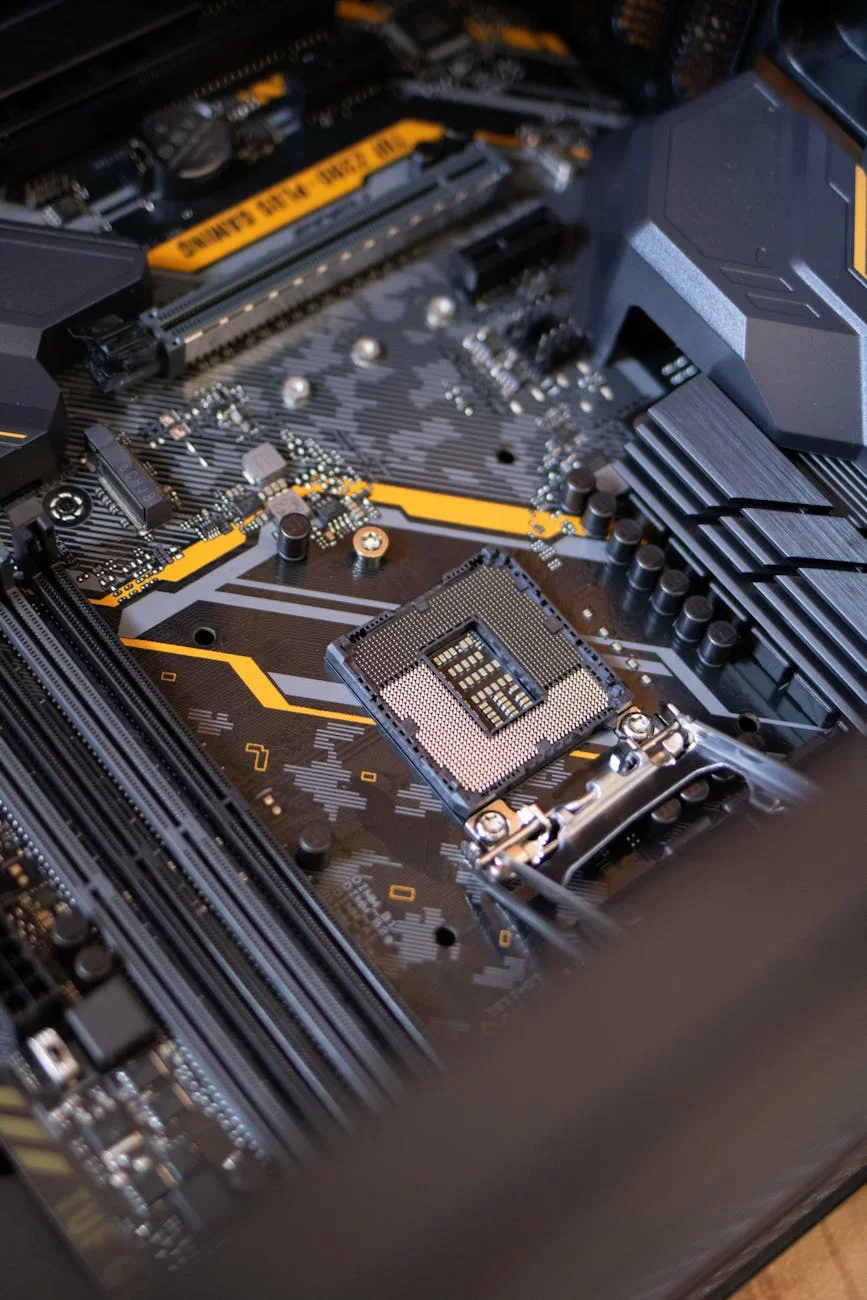
For import customs clearance of large machinery, preliminary preparation is fundamental. First, importers must clearly define the detailed information of the machinery, including brand, model, purpose, technical parameters, etc. This step is crucial because customs requires accurate information to determine commodity classification and tax rates. For example, if Mr. Su plans to import an advanced mining excavation equipment, he must thoroughly understand its various parameters for accurate declaration.
Secondly, it is necessary to verify whether the machinery complies with relevant domestic standards and regulations. Different types of machinery may have different access requirements, and some specific machinery might require special licenses or certifications. For instance, large machinery involving environmental protection or safety aspects must meet corresponding national standards; otherwise, smooth customs clearance might not be possible.
Preparation and Review of Customs Clearance Documents
Document preparation is a core link in the import customs clearance of large machinery. Common customs clearance documents include commercial invoices, packing lists, bills of lading, contracts, etc. These documents must accurately and truthfully reflect the actual situation of the goods. The commercial invoice should detail information such as the machinery's price, quantity, and origin; the packing list needs to clearly record packaging details for customs inspection convenience.
Additionally, for specific machinery, certificates of origin and quality inspection certificates may be required. Taking Mr. Su imported German high-precision CNC machine tool as an example, a certificate of origin can prove the product's country of origin and allow it to enjoy corresponding tariff preferential policies; a quality inspection certificate ensures that the machinery meets quality standards. Customs will strictly review these documents, and any errors or omissions could lead to customs clearance delays.
Customs Declaration and Inspection
After completing document preparation, the process enters the customs declaration stage. Importers need to declare to customs through the electronic port system or by entrusting a professional customs broker. The declared content must be entirely consistent with the actual goods; otherwise, severe penalties will be incurred. After receiving the declaration, customs may inspect the goods. Inspection methods include manual inspection and equipment inspection, aiming to verify whether the goods match the declared information and if there are any prohibited items.
Due to their large volume and high value, the inspection process for large machinery can be relatively complex. Customs inspectors will carefully check the machinery's appearance, markings, technical parameters, etc. If problems are found during inspection, such as false declarations or quality issues with the goods, importers must cooperate with customs for handling, which may lead to extended clearance times and additional costs.
Tax Payment and Release
Customs determines the taxes and fees payable for imported machinery, including customs duties and VAT, based on commodity classification and tax rates. Importers must pay taxes and fees promptly as per regulations; otherwise, the goods will not be released. After tax payment is completed, customs will review the clearance process, and if there are no issues, the goods will be released. Only then is the large machinery considered to have successfully completed import customs clearance and can enter the domestic market for use.
Although import customs clearance for large machinery is complex, by making thorough preparations and strictly following relevant regulations, smooth clearance can be achieved. If you encounter difficulties during the import customs clearance process, you might consider contacting Zhongmaoda, a professional customs clearance company. Their extensive experience can help resolve your problems and support your business development. Let's actively address these challenges together, ensuring large machinery embarks smoothly on its new journey.

Recent Comments (0) 0
Leave a Reply