Have you ever wondered how overseas goods make their way across the oceans to your hands? From cosmetics to electronics, from wine to luxury goods, behind every imported item lies a critical link – import declaration. This process not only concerns the legal entry of goods but also involves multiple aspects such as taxation and inspection. Today, we will lift the veil of mystery surrounding import declaration, allowing you to understand this seemingly complex yet vitally important process.
What is Import Declaration?
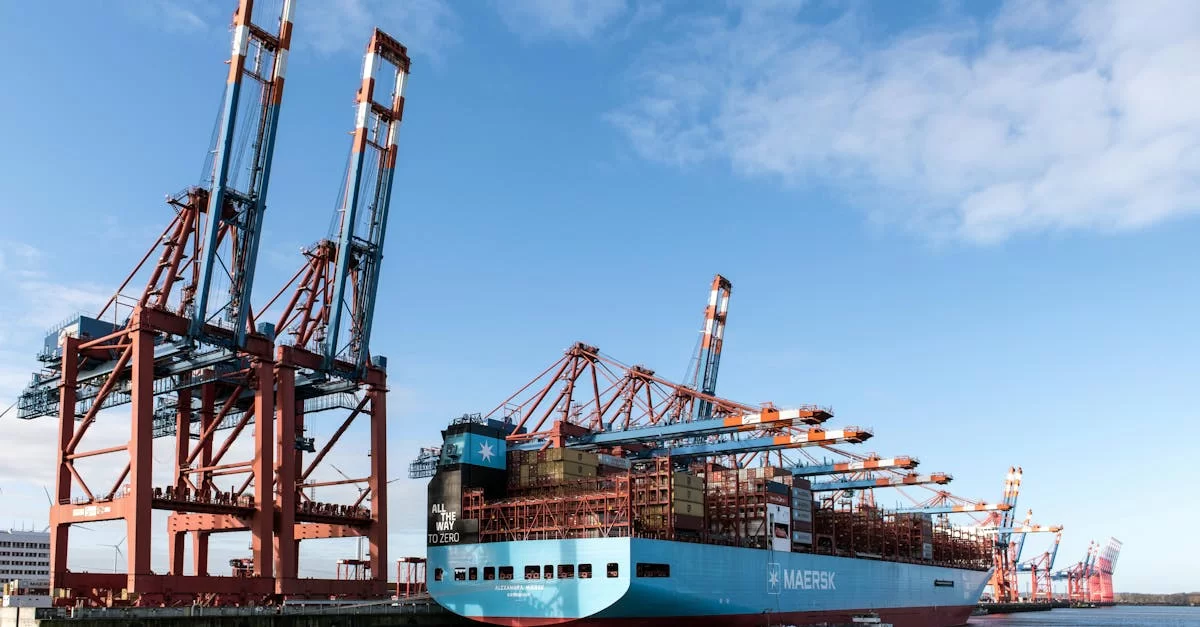
Import declaration refers to the process of legally bringing overseas goods into the domestic market through customs supervision. In simple terms, it is the act of reporting detailed information about imported goods to customs and completing the relevant procedures. This process ensures the legality and safety of the goods, while also providing a basis for national tax revenue.
Core Steps of Import Declaration
Import declaration is not a one-off event but requires strict review through multiple stages. Here are the main steps:
- Prepare Declaration Documents: Including documents such as contracts, invoices, packing lists, and bills of lading.
- Submit Declaration: Submit product information, including name, quantity, and value, through the customs system.
- Customs Review: Customs verifies the declared content and conducts inspections when necessary.
- Pay Taxes and Fees: Pay customs duties, value-added tax, etc., according to the product category and tax rate.
- Release and Collection: After all procedures are completed, the goods can enter the domestic market.
Why is Import Declaration So Important?
Import declaration is not only a legal requirement but also an important means of ensuring market order and consumer rights. Here are its key aspects:
- Legality and Compliance: Ensures that goods comply with national laws and regulations, preventing smuggling or illegal entry.
- Tax Revenue Guarantee: Provides tax revenue for the national treasury, supporting public services.
- Quality and Safety: Through customs inspection, prevents substandard or harmful goods from entering the market.
Frequently Asked Questions
In practical operations, many people have questions about import declaration. Here are some common questions:
- Do Personal Items Need Declaration?: According to customs regulations, personal items for self-use within a certain limit may be duty-free, but exceeding portions still require declaration.
- How Are Declaration Fees Calculated?: Fees generally include declaration service fees, taxes, etc., which depend on the value and category of the goods.
- How Long Does Declaration Take?: Generally, it takes 1-3 working days, but complex situations may extend this period.
Conclusion
Import declaration is the bridge connecting overseas and domestic markets, and a key link in ensuring the lawful circulation of goods. Whether for businesses or individuals, understanding this process can help you complete import operations more efficiently. If you have further questions about import declaration, feel free to leave a comment in the discussion area, or contact professional organizations such as Zhongmaoda for more assistance. Next time you purchase imported goods, perhaps reflect on the declaration story behind them!

Recent Comments (0) 0
Leave a Reply