When Mr. Mo first tried to sell smart home devices produced by his factory overseas, he thought that as long as the product was good enough, the market would open up. However, reality dealt him a heavy blow – the complex customs declaration process, obscure trade terms, and sudden tariff adjustments almost made him give up on this order worth tens of millions. This is perhaps the dilemma many enterprises face: Self-managed import and export or finding a professional agency?
Self-Managed Import and Export: A Double-Edged Sword of Full Control
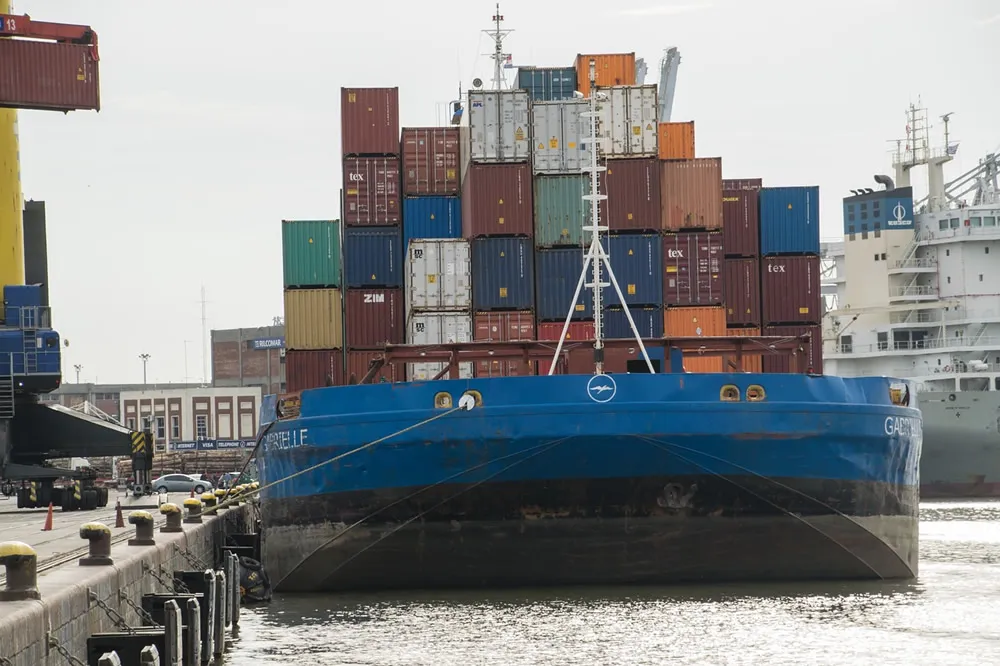
Enterprises that choose self-managed import and export often value its three major advantages:
- Profit Maximization: Save agency service fees and connect directly with end customers
- Fast Response Speed: Full control from inquiry to delivery
- Business Data Security: Customer resources and transaction details are completely confidential
However, Mr. Mo lesson is a warning. Last year, her medical device company was detained at customs for 45 days due to unfamiliarity with new ASEAN regulations, incurring storage fees of 800,000 yuan alone. "We established a foreign trade team of 6 people, but facing the dynamic regulations of over 200 countries, we were still powerless."
Professional Agency: The Invisible Trade Accelerator
Mature import and export agencies can provide "invisible value":
- Policy Radar: Real-time monitoring of changes in 238 customs territories worldwide
- Logistics Optimization: Reduce transportation costs by 30%-50% through economies of scale
- Risk Firewall: Professional services such as letter of credit review and exchange rate locking
A cross-border e-commerce platform achieved "72-hour global delivery" through an agency, utilizing the overseas warehouse network of the agent to compress the average logistics time from 15 days to 3 days, and directly reducing the return rate by 62%.

Special Game Rules for Technology Import and Export
When dealing with special goods such as patented technology and software copyrights, the rules are more complex:
- Export of encryption technology requires an export license for commercial encryption
- AI algorithm transactions may trigger "dual-use items" review
- Open-source license compatibility affects the legality of technology transfer
In 2023, a blockchain company was forced to terminate a smart contract transaction worth 20 million yuan because it failed to perform an EAR (Export Administration Regulations) classification.
Which Model is Right for Your Enterprise?
Consider this "Four-Dimensional Evaluation Method":
- Order Frequency: For less than 20 exports per year, agency is recommended
- Product Complexity: For strongly regulated fields involving 3C certification/FDA, prioritize agency
- Capital Scale: For single shipments exceeding 5 million yuan, professional customs clearance planning is required
- Talent Pool: At least 3 professionals familiar with INCOTERMS are needed
Just like choosing a mode of sea travel, a canoe is suitable for short explorations, but only a ten-thousand-ton freighter can cross the ocean. When you set sail in the blue ocean of international trade, do you build your own fleet or take a professional ferry? This decision may determine the success of your voyage more than the product itself.
Perhaps as a seasoned trade veteran said: "True business wisdom lies in knowing what you shouldn't do yourself." Does your company's import and export strategy need recalibration? Welcome to share your practical experience in the comment section.

Recent Comments (0) 0
Leave a Reply