Mr. Jiang recently encountered a vexing issue: his handicraft company received an overseas order but was struggling to choose a trade method. "What's the difference between FOB and CIF?" "Is processing trade suitable for us?" - these questions kept him up at night. In fact, over 68% of small and medium-sized enterprises have experienced increased costs or legal risks due to improper selection of trade methods when conducting import and export business. Today, we will unveil the mystery behind these "foreign trade codes."
Basics: Three Conventional Modes You Must Know
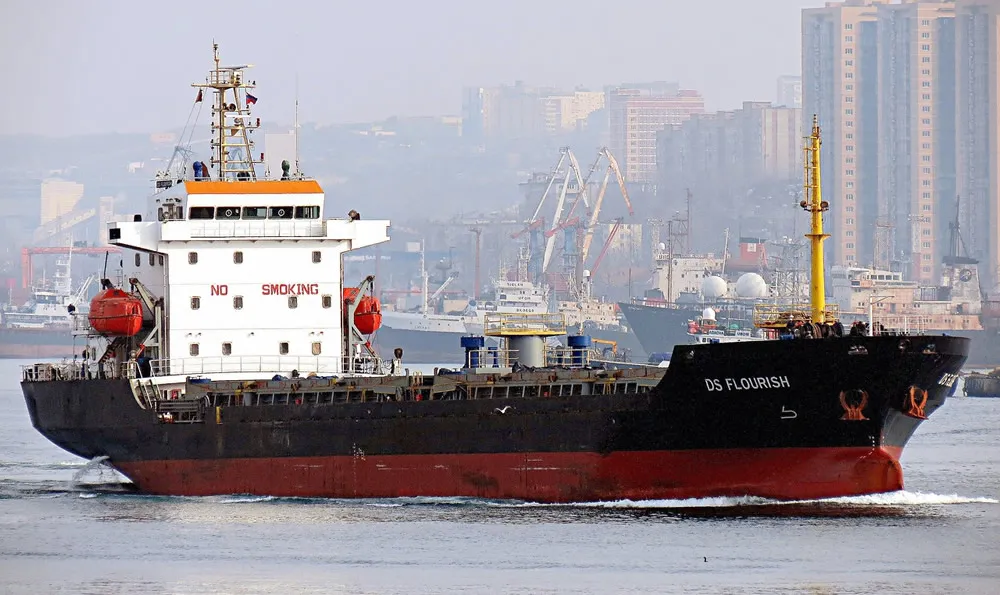
General trade is the most common "direct confrontation" method. Mr. Jiang garment factory directly sells finished jeans to French buyers. This "cash on delivery" model accounts for 53% of China's total import and export volume. However, be aware: a complete VAT invoice must be provided at customs declaration, and the tax refund rate directly affects profits.
When you hear "processing trade," don't just think of simple OEM. The inward processing model adopted by Zhongmaoda Electronics involves the foreign party providing core materials such as chips, with domestic entities only charging processing fees. This model can mitigate risks from raw material fluctuations, but customs implements "account verification" for bonded materials, and losses exceeding the standard may result in fines.
Advanced: These Special Plays Hold Profit Secrets
Cross-border e-commerce B2B is rewriting the rules. Through platforms like Alibaba.com, small batch orders can now enjoy the "market procurement trade" policy: simplified declaration for orders under $150,000 USD, with VAT exempted and not refunded. A merchant in Yiwu used this method to sell Christmas decorations to Poland, reducing logistics costs by 40%.
- Entrepôt trade: Singapore becomes a "transit hub," generating service revenue without goods passing through Chinese customs.
- Leasing trade: Medical equipment manufacturers use this model to lower procurement barriers for overseas clients.
- Consignment trade: Commonly used in art transactions, payment is settled only after the sale.
Pitfall Avoidance Guide: Three Major Minefields Revealed by Customs Data
Customs audit cases in 2023 show that 37% of violations are related to improper declaration of trade methods. Common traps include:
1. Unauthorized domestic sale of processed trade finished products without paying import taxes.
2. Misdeclaration of general trade as border resident trade to evade supervision.
3. Cross-border e-commerce packages found to be traditional goods trade.
A Shenzhen smart watch company was once fined for misreporting "general trade" as "repair items." Not only were taxes recovered, but the company was also placed on the customs' key monitoring list.
The Future is Here: Carbon Neutrality Spurs New Trade Paradigms
With the implementation of the EU's CBAM carbon border adjustment mechanism, green trade methods are emerging. The "carbon footprint pledge financing" model recently experimented with by Zhongmaoda, based on full life cycle carbon emission data of products, secured lower letter of credit fees from Standard Chartered Bank. "Used equipment remanufacturing export" is also quietly emerging, with a Dongguan machine tool factory exporting refurbished equipment to Southeast Asia, achieving a profit margin 20% higher than for new products.
Standing at the crossroads of international trade, every choice signifies different opportunities and challenges. Is there still room for optimization in the trade methods your company currently employs? Feel free to share your practical experiences in the comment section or send a private message for customized solutions. After all, in this VUCA era, only those who master the rules can become the game setters.

Recent Comments (0) 0
Leave a Reply