"We agreed on a price, but the final freight ended up being much higher!" This is Mr. Hu recent experience when purchasing equipment from overseas through an import agent. With the booming development of cross-border e-commerce and international trade, more and more companies and individuals are purchasing through import agents. However, freight issues have become a major pitfall for many. This article will lift the veil on the mystery of import agency freight, dissect the easily overlooked hidden costs, and share practical money-saving tips.
What Fees are Included in Import Agency Freight?
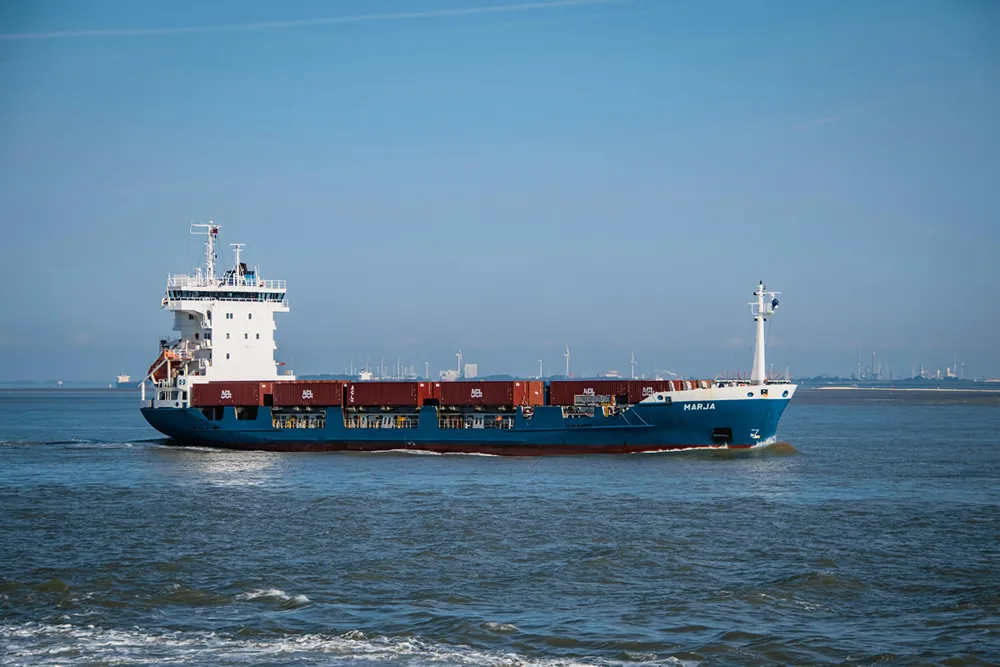
Many people assume that import agency freight is simply "transportation costs from point A to point B." In reality, it is a composite fee made up of multiple components:
- Basic Freight: Calculated based on cargo volume, weight, and mode of transport (sea/air/rail).
- Surcharges: Fluctuating fees such as fuel surcharges, peak season surcharges, and port congestion surcharges.
- Customs Clearance Fees: Including customs declaration fees, inspection and quarantine fees, and duty deposits.
- Last-Mile Delivery Fee: The final leg of transportation from the port to the warehouse.
Mr. Hu once encountered a similar situation: the agent quoted only the basic freight, and only upon arrival at the port was she informed of high demurrage and warehousing fees, resulting in freight costs 40% higher than budgeted.
Three Key Factors Affecting Freight Costs
1. Cargo Attributes Determine Freight Baseline
For goods that are large in volume but light in weight, fees are calculated by volume (per cubic meter for sea freight, by volumetric weight for air freight). For goods that are heavy and small in volume, fees are based on actual weight. Zhongmaoda advises clients to compress volume as much as possible during packaging. For example, machinery can be disassembled and shipped in separate boxes.
2. Time Cost of Transportation Mode
Air freight is 3-5 times more expensive than sea freight but is suitable for high-value or urgent cargo. Although sea freight is cheaper, a 20-day transit period translates to capital occupation costs. Mr. Hu once did the math: if he shipped a batch of electronic components by air, although the freight cost would increase by 20,000 yuan, the profit gained from listing the product two weeks earlier would be 50,000 yuan.
3. Hidden Impact of Customs Clearance Efficiency
Customs clearance delays due to incomplete documentation can incur port detention fees, averaging 500-2000 yuan per day. Professional agents like Zhongmaoda review documents in advance and adopt a pre-declaration strategy, which can control customs clearance time within 48 hours.
Five Practical Tips to Save 30% on Freight Costs
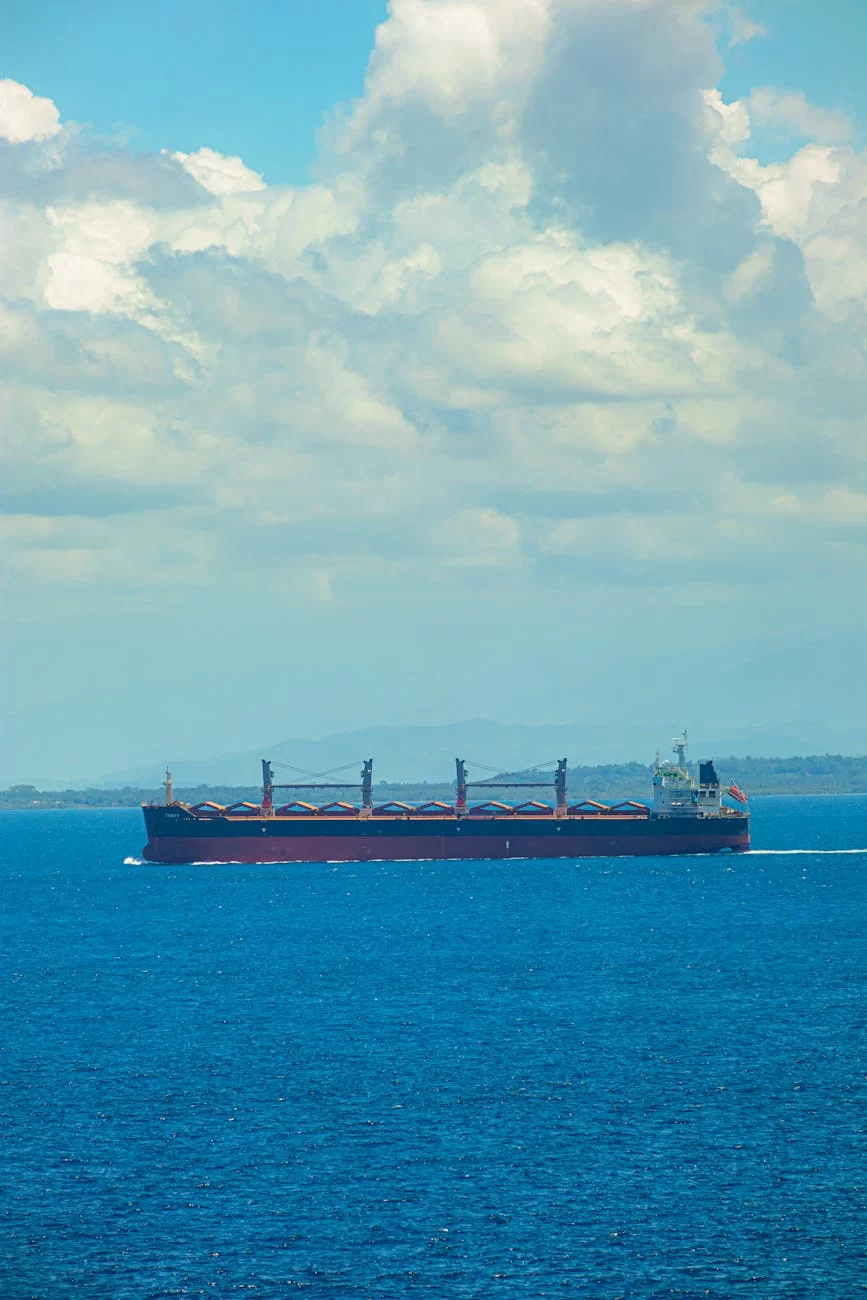
- Consolidation Shipping: When cargo is insufficient to fill a full container, opting for LCL consolidation can save 60% compared to a full container.
- Flexible Port Selection: Qingdao Port has 15% lower congestion surcharges than Shanghai Port, and Nansha Port has a dedicated channel for cross-border e-commerce.
- Seasonal Purchasing: Avoid peak shipping seasons before Christmas and after the Canton Fair, and surcharges can be reduced by 20-35%.
- Duty Planning: Utilize certificates of origin under free trade agreements to reduce duties on some goods to zero.
- Insurance Comparison: Cargo insurance rates vary from 0.3% to 1.2%, with potential price differences of up to 3 times for the same coverage.
Prevention and Response to Freight Disputes
It is recommended to clearly stipulate in the agency agreement:
- Fee details and calculation methods (request a breakdown of all potential surcharges).
- Force majeure clauses (solutions for handling unforeseen circumstances such as war or pandemics).
- Dispute resolution mechanisms (preferential negotiation, followed by agreed arbitration).
Ms. Wang's case is representative: she specifically stated in the contract that "the total freight shall not exceed 10% of the quoted price." When the agent attempted to charge excess fees, this clause helped her avoid an unexpected expenditure of 28,000 yuan.
Future Trends: How Digitalization is Reshaping the Freight System?
Blockchain technology is transforming traditional logistics: automatic freight payment through smart contracts reduces manual intervention; IoT sensors monitor cargo status in real-time, avoiding disputes; AI algorithms can predict port congestion 30 days in advance. Zhongmaoda's newly launched freight calculator, integrating data from 2,000 routes over the past three years, has an accuracy rate of 92%.
Import agency freight is like an iceberg; the visible costs are only the tip. Only by understanding the complete cost structure and industry rules can optimal decisions be made. What freight issues have you encountered during your import shipping process? Feel free to share your experiences or concerns in the comments section. Perhaps the next money-saving trick will come from your own practice!

Recent Comments (0) 0
Leave a Reply