Driven by the wave of globalization, international trade forms are increasingly diversified. Import and re-export trade, as important components, are profoundly impacting the economic development of various countries. They are like crucial pieces on a complex trade chessboard, where every move can trigger a chain reaction. Today, let us embark on a journey to explore the mysteries of import and re-export trade together.
Import Trade: A Bridge Connecting Global Markets
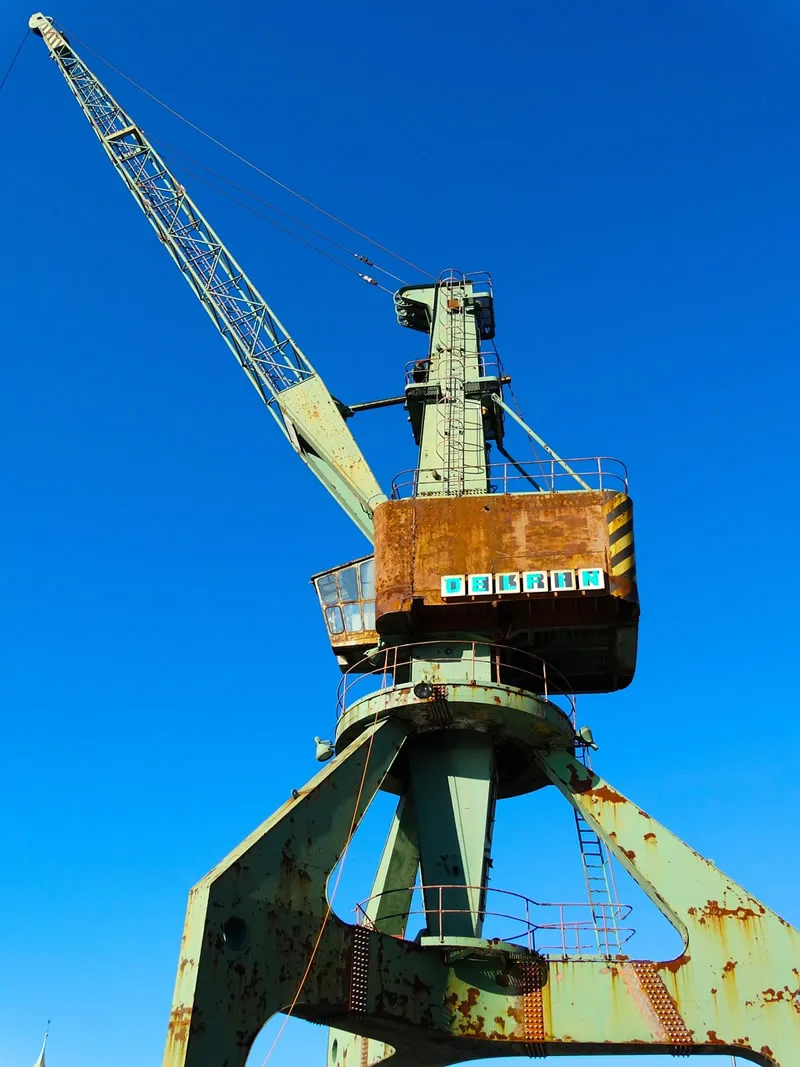
Import trade is an economic activity where a country purchases goods or services from other countries. It plays a crucial role in meeting the diverse demands of the domestic market. Imagine, without import trade, we might not be able to savor fresh coffee beans from South America, use advanced electronic products from Japan, or appreciate exquisite art from Europe.
From an enterprise perspective, importing high-quality raw materials and advanced equipment helps enhance production efficiency and product quality. For instance, an automobile manufacturing company can improve the power performance of its vehicles by importing high-performance engine components, thus gaining an advantage in market competition. However, import trade is not always smooth sailing. Exchange rate fluctuations are like hidden reefs beneath the sea's surface, constantly threatening importers' profits. If the domestic currency depreciates, import costs will significantly increase. At the same time, trade barriers are also a major obstacle; rising tariffs and import quota restrictions, among others, pose challenges to import trade.
Re-export Trade: A "Transit Hub" on Trade Routes
Re-export trade refers to the buying and selling of imported and exported goods in international trade, where the trade is not conducted directly between the producer and consumer countries but is transacted through a third country. This third country acts as a "transit hub" on the trade route. For example, Country A produces a certain type of specialty textile, and Country C has a large demand for it, but there are trade frictions or other restrictions between Country A and Country C. In this case, Country B, leveraging its favorable trade environment and geographical location, acts as a re-export hub, first importing the textiles from Country A and then reselling them to Country C.
Re-export trade can bring numerous benefits to the re-exporting country. Firstly, it increases the re-exporting country's trade revenue and promotes the development of related industries such as ports and logistics. Secondly, it helps the re-exporting country enhance its status on the international economic stage. However, re-export trade also faces risks. For instance, there are transportation risks during the transit of goods. If goods are damaged or delayed, it may lead to trade disputes. Furthermore, re-export trade is easily affected by changes in the international political and economic situation. Once trade policies of relevant countries are adjusted, the chain of re-export trade may break.
Synergistic Development of Import and Re-export Trade
Import and re-export trade do not exist in isolation; they are closely linked, and their synergistic development can create greater value. For some trade hub regions, a large volume of imported goods provides a rich source of supply for re-export trade. Simultaneously, an efficient re-export trade system can attract more import business, forming a virtuous cycle.
Taking Zhongmaoda as an example, it fully leverages its advantages in trade resource integration and logistics distribution to actively conduct import business and introduce high-quality products, while also building trade bridges between different countries with its professional re-export trade operational capabilities. By accurately grasping market demand and optimizing trade processes, the company has achieved its own growth through the synergistic development of import and re-export trade, and has also contributed to regional economic development.
Embrace Change, Seize Opportunities
Import and re-export trade play important roles in the global economic landscape, facing a situation where opportunities and challenges coexist. Both enterprises and relevant policymakers need to closely monitor international market dynamics and actively respond to risks such as exchange rate fluctuations and trade barriers. By continuously innovating trade models, improving service quality, and strengthening regional cooperation, we can find the right direction and set sail in the wave of import and re-export trade, jointly promoting the prosperous development of global trade.

Recent Comments (0) 0
Leave a Reply