When Mr. Tian first pushed his newly purchased imported wheelchair to take his father to Qingxiu Mountain, the elderly man touched the armrest and said, "Why is the turn so stable, like walking on cotton?" This detail made Mr. Tian, who has been in the medical device industry for ten years, realize: The difference in experience of imported wheelchairs often lies in the technical details that ordinary people cannot see. As one of the few agents in Nanning with access to core channels, we want to unveil these "invisible values."
Why Do Professional Institutions Prefer Imported Wheelchairs?
Head Nurse Wang, who works at a rehabilitation center, shared a comparison: patients using a certain German brand wheelchair had a 42% lower incidence of bedsores compared to ordinary products. This is due to three key technologies:
- Aerospace-grade aluminum alloy frame: Reduces weight by 30% while increasing load capacity to 150kg
- Dynamic pressure dispersion cushion: Automatically adjusts 32 airbags every 20 minutes
- Hysteresis damping system: Automatically triggers slow descent when going downhill, avoiding the risk of loss of control
Zhongmaidai's quality inspection report shows that the repair rate of imported products within a 5-year usage cycle is only 1/7 of the domestic average.
Three Cognitive Misconceptions of Nanning Consumers
We have compiled the past 200 consultation records and found that local users often fall into the following misconceptions:
- Believing that "imported = expensive": In fact, basic models of Japanese lightweight versions start at only 6800 yuan
- Worrying about difficulty in finding spare parts: EU standard parts can be delivered within 48 hours during the ASEAN Expo
- Ignoring tariff preferences: Under the RCEP agreement, the import tariff on wheelchairs has been reduced to 3.5%
Mr. Tian case is very representative – she originally budgeted 20,000 yuan for a domestic electric wheelchair, but ended up buying an Italian imported model with standing assistance function for 18,000 yuan.
Four Steps to Identify Genuine Imported Wheelchairs
There are "pseudo-imported" products on the market. It is recommended to verify through the following methods:
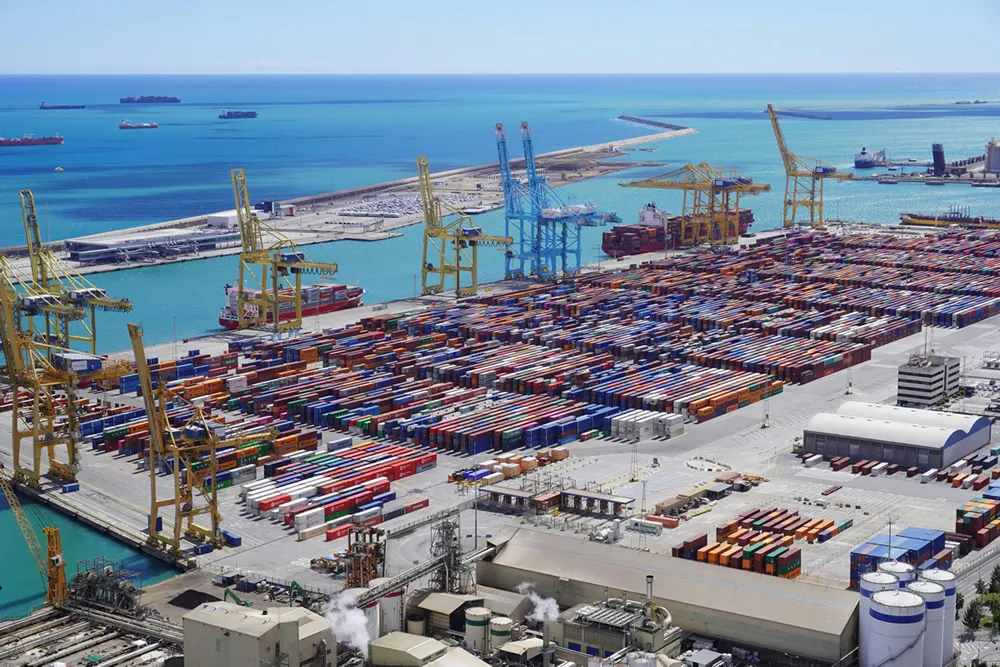
- Check the customs declaration form number (you can ask the agent to provide a de-identified document)
- Scan the original manufacturer's QR code at the bottom of the wheelchair to trace the production batch
- Verify the EU CE or US FDA certification code
- Request a demonstration of multi-language interface switching
Last month, we assisted a customer in returning a wheelchair produced in Xiamen that was falsely claiming to be German-made. The key evidence was the obvious machine translation traces in its English menu.
Your Needs May Be More Achievable Than You Imagine
When Ms. Chen, a 78-year-old retired teacher, wanted to find a wheelchair that could climb stairs, she didn't know that mature products already existed in Norway. These information gaps are precisely the value of professional agents. Feel free to write down your specific needs: whether it's adapting to the narrow staircases in Nanning's old residential areas or needing to accommodate grocery baskets, we have solutions you may not have heard of.
Which characteristics of wheelchairs do you value more? Is it the lightness of carbon fiber material, or the convenience of a detachable battery? Welcome to share your views in the comment section. We will select three readers to provide free in-depth cleaning services for imported wheelchairs.

Recent Comments (0) 0
Leave a Reply