On the Bund in Shanghai late at night, container ships and blockchain nodes are flashing in sync—this port city with a century of history is rebuilding the trust system of global trade with code. According to the latest data from Zhongmaoda, the transaction volume of re-export trade in Shanghai that adopts blockchain technology surged by 217% year-on-year in 2023. Behind this string of numbers, what industrial revolution passwords are hidden?
The "Trust Cost" Dilemma in Re-export Trade
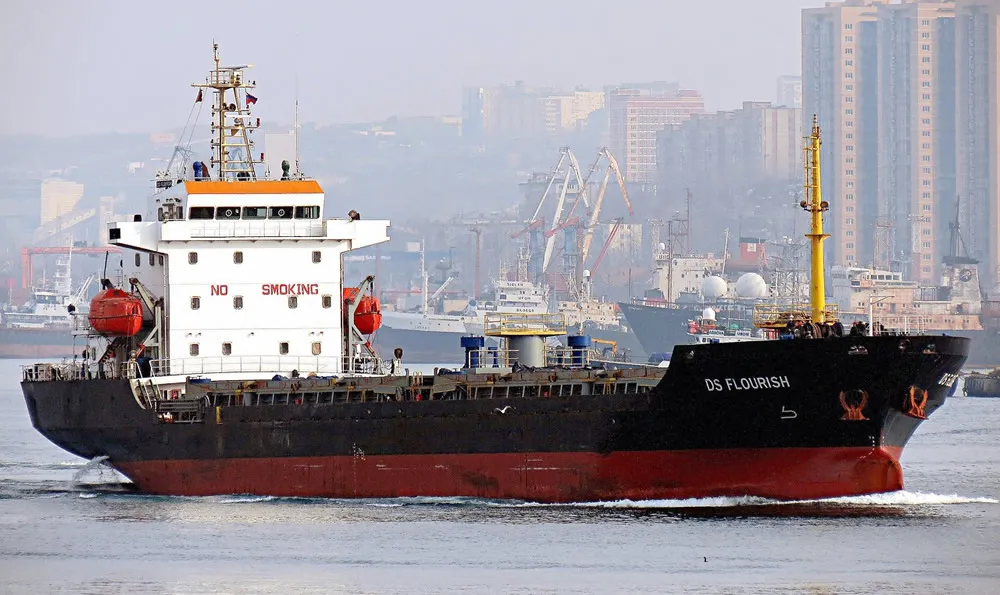
Traditional re-export trade is like a cross-border "trust game": Mr. Zeng textiles are transshipped from Vietnam to Germany via Shanghai, requiring **verification of 12 stages of paper documents** and an average of 3.7 inspection disputes. Zhongmaoda research shows that the friction cost of such intermediary trade can account for 15%-20% of the cargo value.
- Average time for property rights confirmation: 72 hours
- Cross-border payment error rate: up to 8%
- Annual losses from letter of credit fraud: over 10 billion yuan
Three Breakthrough Points of Blockchain Products
Within the special customs supervision area of Shanghai Customs, Mr. Zeng completed the re-export of a batch of Malaysian electronic components through the Zhongmaoda blockchain platform, and customs clearance was completed in just **19 minutes**. This new type of infrastructure is reshaping the rules in three dimensions:
- Smart contracts for automatic settlement: Trigger-based settlement eliminates errors in transshipment profit distribution.
- Digital fingerprint for property rights: Container movements are recorded on the chain, with instant alerts for tampering.
- Trusted data pool: Over 70 international shipping companies share cargo data while protecting commercial privacy.
Cold Thinking: Challenges Beyond Technology
When a batch of New Zealand milk powder was repeatedly pledged on the Zhongmaoda chain, the system automatically froze the relevant accounts—but this is an ideal scenario. The real-world obstacles are more worthy of attention:
- 53% of small and medium-sized traders find the learning curve steep.
- Digital customs standards in various countries are not yet unified.
- There are legal blind spots in the mapping of on-chain and off-chain assets.
The Future is Here, Just Unevenly Distributed
Standing at the 5G smart port in North Bund, watching blockchain-enabled containers being automatically sorted, one suddenly realizes: Shanghai is not just writing a technical white paper, but **the operating system for the next generation of trade networks**. The next time you receive an imported product transshipped through Shanghai, feel free to scan the QR code—perhaps that hash value holds more interesting stories than the place of origin.

Recent Comments (0) 0
Leave a Reply