Under the tide of the globalized economy, many enterprises are eyeing the lucrative import and export business. However, handling import and export enterprises is not a simple matter, involving numerous procedures and considerations. Today, let us delve into the process of handling import and export enterprises together, and open the right door for your foreign trade business.
Industrial and Commercial Registration
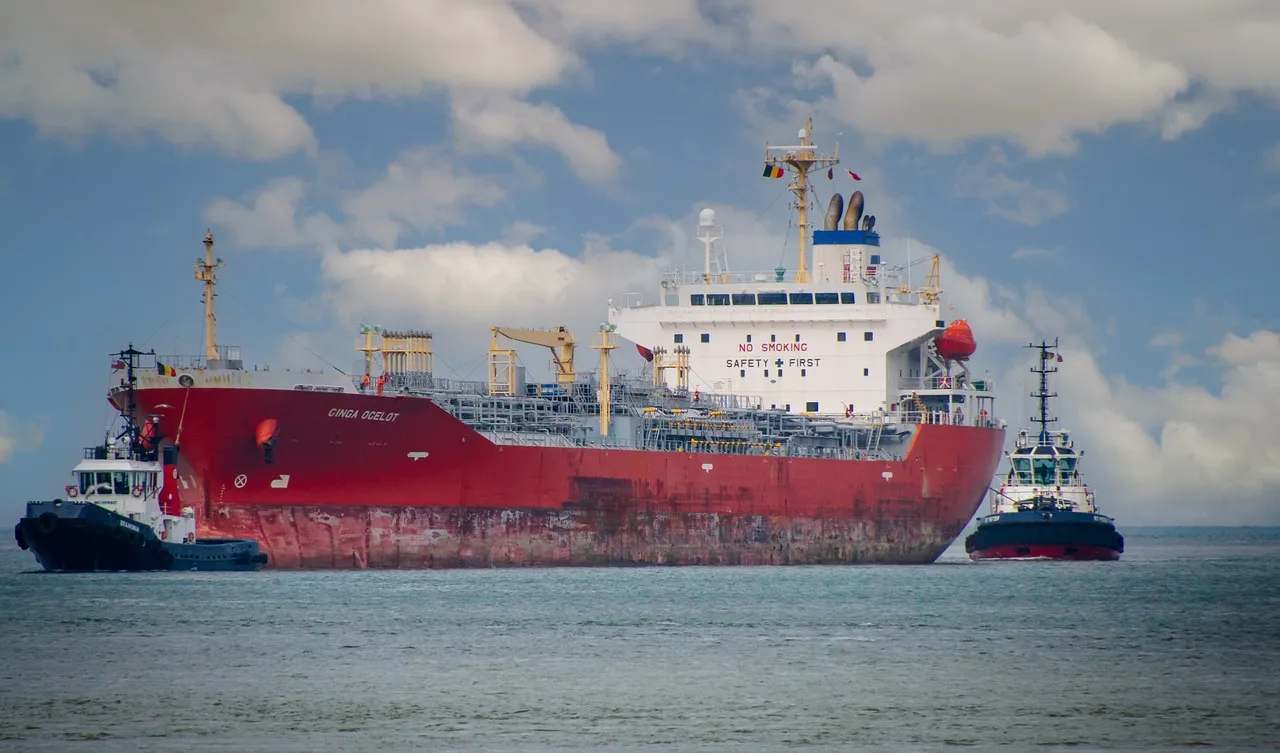
Firstly, enterprises must undergo industrial and commercial registration. This step is like laying the foundation of a house, it is crucial. Taking Mr. Yu as an example, he intends to establish an import and export trading company. His first step is to go to the local industrial and commercial administration department, fill out the relevant company establishment application form, and submit necessary materials such as shareholder identification and the company's articles of association. It is important to note here that the company's articles of association should clearly define the company's scope of business, and must include "import and export of goods and technologies" to lay the foundation for subsequent import and export business. After review by the industrial and commercial department, if the conditions are met, a business license can be obtained, completing the legal registration of the company.
Customs Filing
After obtaining the business license, the next step is customs filing. This is an important link for enterprises to establish contact with customs and obtain the qualification for customs declaration of import and export goods. After completing industrial and commercial registration, Mr. Yu company logged into the China International Trade Single Window and filled out the customs declaration entity filing information form online, submitting enterprise basic information, legal representative information, and other documents. Upon successful submission, customs will review the information submitted by the enterprise. Once the review is passed, the enterprise obtains customs filing qualifications, equivalent to obtaining a pass to enter the customs gate, and can legally carry out customs declaration business for import and export goods.
Foreign Exchange Administration Filing
Import and export business involves the collection and payment of foreign exchange, so foreign exchange administration filing is also indispensable. Enterprises need to go to the local foreign exchange administration department to handle the registration procedures for the "Enterprise List for Trade Foreign Exchange Receipts and Payments." Enterprises need to bring materials such as a copy of their business license and the legal representative's identity document to the foreign exchange administration department. The foreign exchange administration department will review the enterprise's documents. After the review is passed, the enterprise can carry out trade foreign exchange receipt and payment business within the list, ensuring the compliant flow of foreign exchange funds and the smooth settlement of import and export trade.
Electronic Port Network Access
To realize the electronic operation of import and export business and improve customs clearance efficiency, enterprises also need to access the electronic port network. Enterprises need to apply for an enterprise legal person card and an operator card from the China Electronic Port Data Center. When applying, relevant application forms, enterprise business licenses, and other materials need to be submitted. After the application is successful, enterprises can use the electronic port platform to carry out a series of import and export business operations such as customs declaration submission and tax payment, realizing efficient and convenient business handling.
Other Matters
In addition to the main procedures mentioned above, enterprises may also need to handle matters such as inspection and quarantine filing and foreign trade operator filing registration according to their own business situations. For example, enterprises engaged in the import and export of food must obtain relevant qualifications such as food business permits.
Although the process of handling import and export enterprises is complex, as long as you proceed step by step and complete each stage of operation, you can smoothly embark on the journey of import and export business. If you have any questions during the process, feel free to leave a comment for discussion, and let us move forward steadily on the path of import and export trade.

Recent Comments (0) 0
Leave a Reply