The morning sun, filtering through the glass cup, casts layers of halos on the amber tea within. The aroma of roses and roselle intermingles in the air – this cup of fruit and flower tea from a foreign land is quietly becoming synonymous with a sense of ritual in urban dwellers' lives. According to industry data, the market size of fruit and flower tea in China is growing at an average annual rate of over 20%. Imported fruit and flower teas, with their unique flavors and healthy labels, are emerging as the "hidden champions" in this segment. Today, let's delve into this fragrant business.
Why Have Imported Fruit and Flower Teas Become the New Consumer Darling?
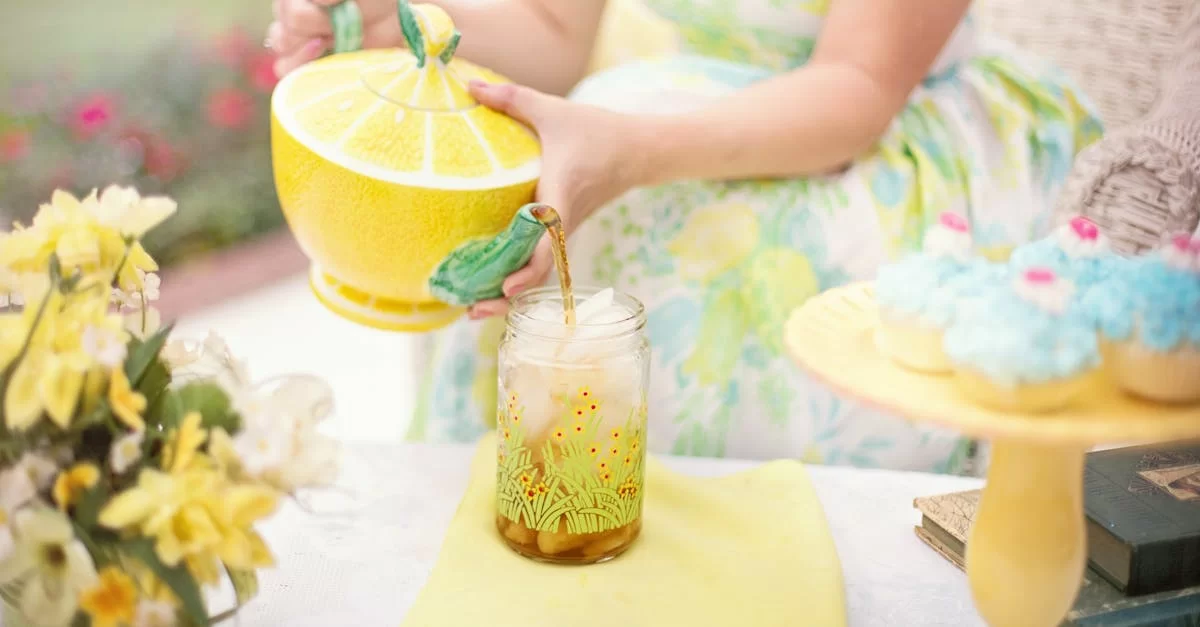
After Mr. Lou tea shop introduced German organic fruit and flower teas last year, monthly sales unexpectedly increased by 35%. "Consumers particularly favor combinations that are rare domestically, such as South African rooibos with lemongrass, or Turkish pomegranate flower tea." Behind this phenomenon lies the convergence of three major consumer trends:
- Health Upgrade: Natural fruit and flower teas with zero additives and low caffeine cater to wellness demands.
- Experience Economy: Exotic flavors offer the novelty of a "culinary journey."
- Social Currency: High-quality packaging has become popular material for young people to photograph and share.
The Golden Track and Hidden Thresholds of Importing Agencies
Mr. Lou, who has been in the food import agency business for 8 years, summarizes the specialty of the fruit and flower tea segment as: "This is not a simple business of transportation, but a process of cultural decoding." Quality agencies need to overcome three major barriers:
- Supply Chain Barriers: From EU organic certification to Japanese JAS standards, one needs to be proficient in various countries' quality inspection systems.
- Flavor Localization: Adjusting sweetness and acidity ratios to suit Asian palates.
- Cultural Marketing: Clearly articulating the differential stories of "German herbal tea" versus "French royal recipes."
Zhongmaoda's Practical Case: How to Turn "Niche" into "Blockbuster"
A Polish wild cherry plum tea achieved a full return on investment within six months through three key actions:
- Scenario Binding: Collaborating with fitness studios to launch "post-workout electrolyte recovery tea."
- Experiential Innovation: Developing a cold brew-specific formula paired with customized graduated tea bottles.
- Data-Driven Selection: Optimizing SKU combinations based on e-commerce platform search terms.
This corroborates industry observation: Successful agents are not shelf movers, but demand translators.
The Next Trend: The 3.0 Era of Fruit and Flower Tea Agencies
As the new tea beverage industry enters a phase of segmented competition, these trends are worth noting:
- Functional Extension: The emergence of precisely targeted products for sleep aid, eye protection, etc.
- Sustainable Packaging: Biodegradable tea bag materials are becoming a new selling point for European brands.
- Digital Traceability: Blockchain technology enables full-process tracking from farm to cup.
As the last aroma of tea dissipates, perhaps we should consider: in this era that values speed, is acting as an agent for a fruit and flower tea that requires patient brewing essentially managing a "slow living" solution? Have you also noticed that young people taking selfies with fruit and flower teas are actually collecting the whole world through taste? Welcome to share your amazing tea discoveries in the comments section, or discuss how you view this "fragrant business."

Recent Comments (0) 0
Leave a Reply