In today's globalized business world, trade takes various forms, and overseas re-export trade is gradually becoming a focal point for many merchants. Are you curious about what kind of trade model this is? What unique advantages and operational methods does it possess? Today, let us delve into the mysteries of overseas re-export trade together.
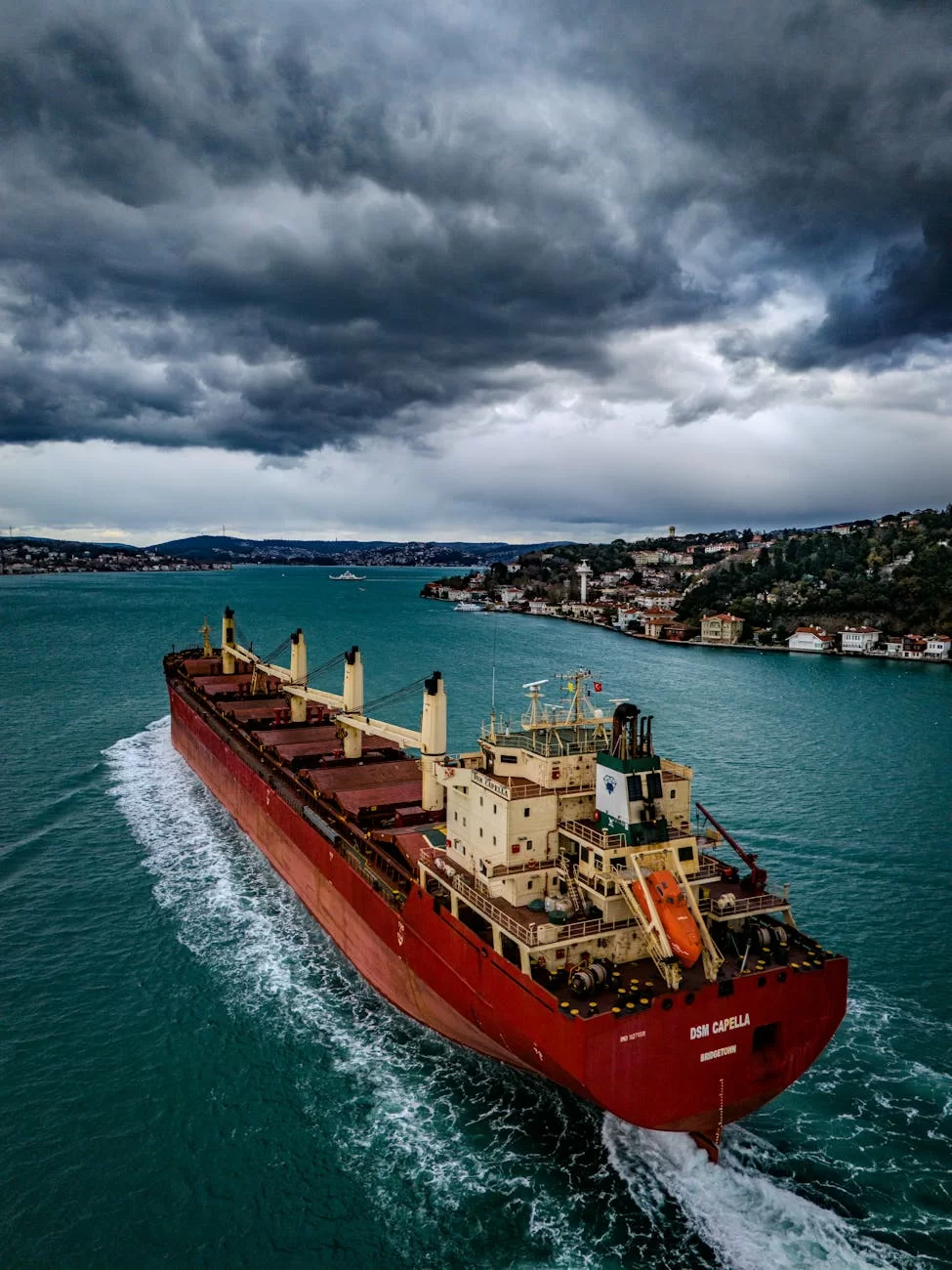
I. Understanding the Concept of Overseas Re-export Trade
Overseas re-export trade, simply put, is a trade method where the country of origin sells goods to a third country (transit country), and then the transit country resells the goods to the consuming country. It is not a direct transaction between the producing country and the consuming country, but rather the entire trade process is completed through the transit country acting as a "bridge." For example, Mr. Tian company produces a batch of high-quality electronic products. He originally intended to export them directly to an overseas market, but considering some trade policies, tariffs, and other factors, he chose to export this batch of goods to a transit country first. After some necessary processing in the transit country (such as re-packaging, re-labeling, etc.), the transit country then resells the goods to the final consuming country market. In this way, it cleverly bypasses some potential trade barriers and achieves smooth circulation of goods.
II. The Advantages of Overseas Re-export Trade
- Bypassing Trade Barriers: This is one of the most prominent advantages of overseas re-export trade. Many countries and regions have various trade barriers, such as high tariffs and strict import quotas. By choosing a suitable transit country for re-export trade, enterprises can circumvent these barriers to a certain extent, reduce trade costs, and enhance product competitiveness in the international market. Just like Mr. Tian apparel company, facing high import tariffs in a certain country, she used overseas re-export trade to first ship the apparel to a transit country with more favorable tariff policies, and then resold them to the target market, thereby saving a significant amount of tariff expenditure.
- Expanding Market Channels: Transit countries often have unique geographical locations and trade advantages, connecting multiple different markets. By leveraging overseas re-export trade, enterprises can utilize these advantages of transit countries to promote their products to a wider international market and reach more potential customers. For instance, some transit countries located at transportation hubs can conveniently transfer goods to several surrounding countries, opening new market doors for businesses.
- Flexible Response to Market Changes: In the ever-changing international market, overseas re-export trade allows businesses to adjust their trade strategies more flexibly. If a consuming country's market suddenly experiences changes in demand or policy adjustments, enterprises can timely adjust the flow and handling of goods through the transit country to better adapt to the market environment.
III. Key Operational Points of Overseas Re-export Trade
Firstly, choosing a suitable transit country is crucial. This requires comprehensively considering factors such as the transit country's trade policies, geographical location, and logistics infrastructure. For example, it is necessary to ensure that the transit country's tariff policies are favorable for re-export trade, and its logistics facilities such as ports and warehouses can meet the transit needs of goods. Secondly, the operational aspects in the transit country also require strict control. From the reception, storage, and re-packaging of goods to the final resale, every step must comply with local laws and regulations and relevant trade rules. Furthermore, partnering with reliable partners is also key. Whether it is suppliers in the producing country or logistics and trade-related partners in the transit country, enterprises with good reputation and rich experience should be chosen to ensure the smooth progress of the entire overseas re-export trade process. Companies like Zhongmaoda, a professional enterprise, have extensive experience and professional teams in various aspects of overseas re-export trade, enabling them to provide high-quality services to clients.
IV. Risks and Mitigation of Overseas Re-export Trade
Although overseas re-export trade has numerous advantages, it is not without risks. Among these, policy risk is a key area that requires attention. The trade policies of transit countries may change, and if enterprises fail to keep abreast of these changes and make corresponding adjustments, it could lead to goods being held up and increased additional costs. Additionally, logistics risks cannot be overlooked. International logistics involve numerous links, and any delays in transportation or damage to goods will affect the entire trade process. To address these risks, enterprises should establish a comprehensive risk early warning mechanism, closely monitor policy dynamics in various countries, and select high-quality logistics service providers, as well as adequately insure the goods to minimize losses caused by risks.
Overseas re-export trade, as a flexible trade method with many advantages, is providing new opportunities for more and more enterprises to expand into international markets. However, at the same time, we must be clear-eyed about the risks involved and make thorough preparations for mitigation. We hope that entrepreneurs can gain a deep understanding of overseas re-export trade, combine it with their own company's actual situation, utilize this trade method reasonably, and achieve better development in the international market. What are your thoughts on overseas re-export trade? Feel free to leave a comment and discuss!

Recent Comments (0) 0
Leave a Reply