Mr. Zu vanity is filled with niche perfumes from France, luxury creams from Japan, and popular masks from Korea. "These are simply not available at counters in China," she said, showing a cross-border e-commerce store on her phone with monthly sales of 2 million. Stories of people like Mr. Zu making a fortune by acting as agents for imported cosmetics are constantly going viral on Xiaohongshu and WeChat Moments. But how deep is the water behind this glamorous facade?
Why has becoming an agent for imported cosmetics become so popular?
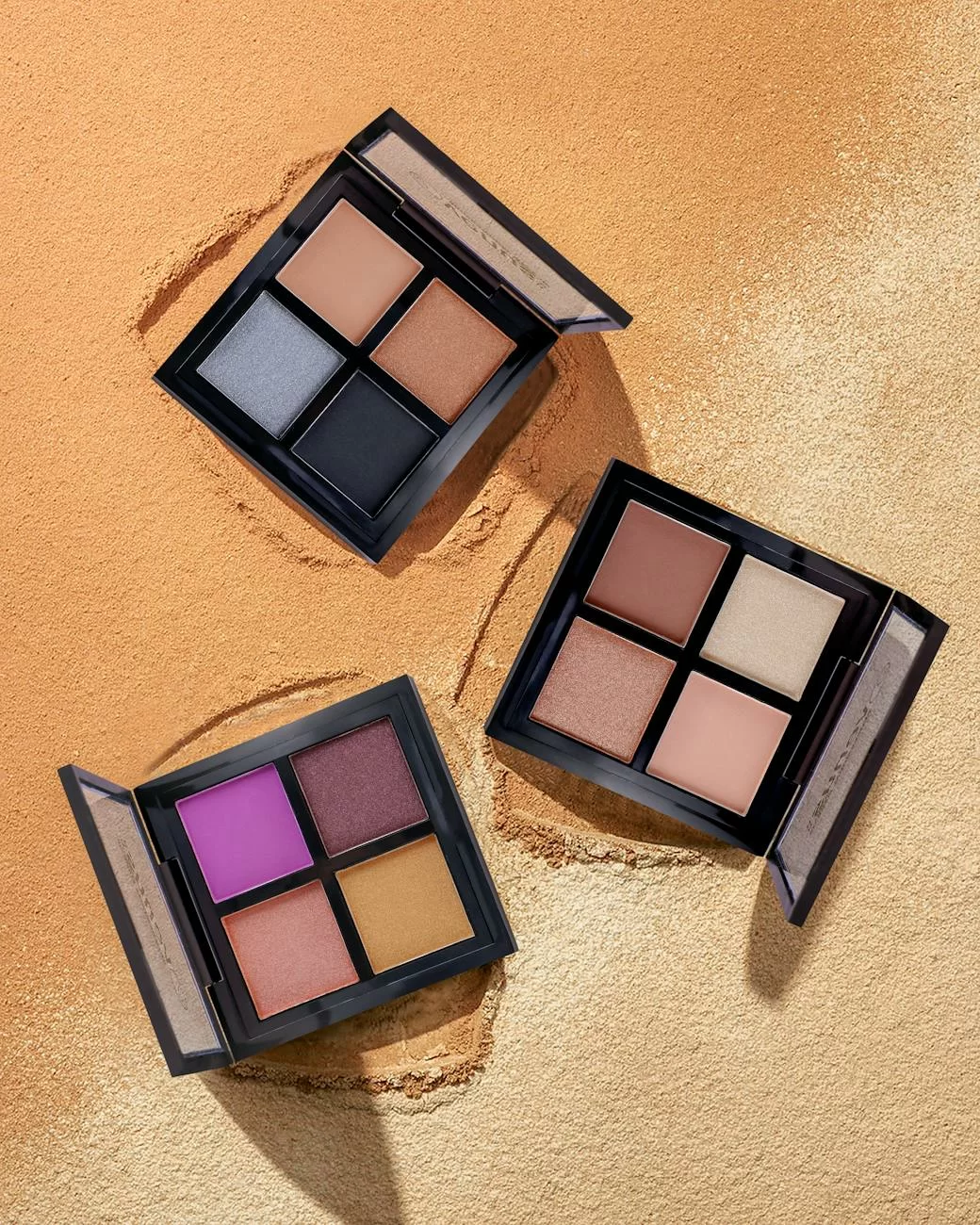
China's beauty market has maintained a growth rate of over 15% for five consecutive years, with the scale of **imported cosmetics exceeding 150 billion yuan in 2023**. Consumers' fervent pursuit of "overseas direct sourcing" and "original imported" has spawned a huge agency market. Mr. Zu team achieved a 300% profit growth last year solely by acting as an agent for a certain European organic brand.
- Large premium space: Hot-selling items from Japan and Korea can be priced up to 200% higher in China.
- Channel advantages: Cross-border e-commerce platforms provide traffic support for imported goods.
- Information asymmetry benefits: Consumers in their 90s trust the concept of "niche overseas brands" more.
Three Core Hurdles for Importing Cosmetics as an Agent
Last year, Mr. Wang had 800,000 yuan worth of goods seized by customs due to incomplete documentation, and legal proceedings are still ongoing. To safely share in the profits, you must overcome these three obstacles:
- Qualification certification: Imported cosmetics require registration with the drug administration, with testing fees for a single SKU exceeding 20,000 yuan.
- Supply chain control: One agent was subject to mass complaints because the contract manufacturer unilaterally changed the formula.
- Channel control: Price wars frequently occur between parallel imports and official channels.
Zhongmaoda Expert's Pitfall Avoidance Guide
The supply chain director of industry leader **Zhongmaoda** revealed that successful agents follow the "three slow, one fast" principle:
- Slow selection: Eliminate products that claim "instant whitening" and other violations.
- Slow negotiation: Require foreign parties to provide a complete production qualification chain.
- Slow promotion: Complete all compliance testing before marketing.
- Fast response: Establish a 48-hour cross-border after-sales response mechanism.
Industry Reshuffling Signals for the Next Three Years
With the implementation of new regulations in the Cosmetics Supervision and Administration Regulations, 23% of small agency companies exited the market last year. However, at the same time, agents focusing on niche segments have grown against the trend. For example, Ms. Zhou, who specializes in Middle Eastern cosmetics, has achieved a monthly repurchase rate of 50% through differentiated product selection.
This tempting track is shifting from "wild growth" to "refined cultivation." Are you ready to replace luck with professionalism? Welcome to share your cross-border beauty stories in the comments section.

Recent Comments (0) 0
Leave a Reply