Mr. Zeng recently received an overseas order, but was stumped during customs declaration when asked, “Are you opting for general trade or processing trade?” Mr. Zeng cross-border e-commerce team, meanwhile, was embroiled in endless debate over the codes “9710” and “9810”. Behind the seemingly simple transactions of import and export trade lie countless “customs clearance codes”. Today, let's unveil the mysteries of these trade methods.
I. Basics: Three Major Traditional Trade Methods
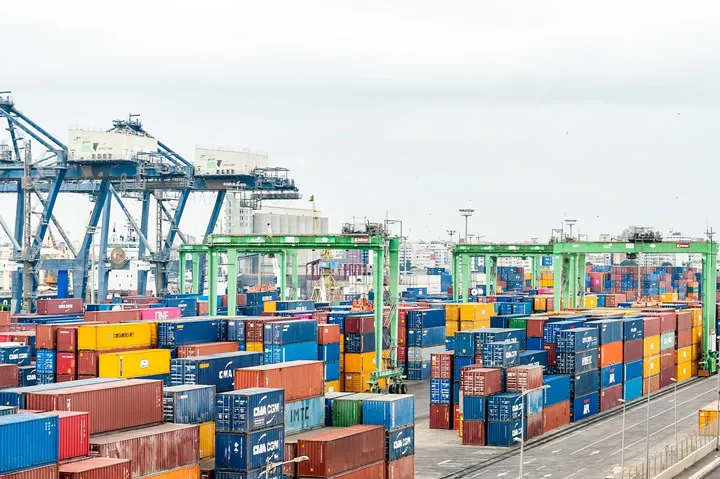
1. General Trade: It's like supermarket shopping, a “cash-and-carry” transaction, suitable for one-time import and export of finished products. Zhongmaoda statistics show that in 2023, general trade accounted for 56%, making it the absolute mainstream.
2. Processing Trade: A contract manufacturing model similar to “processing with supplied materials”, commonly found in the electronics and textile industries. The key point is that it is exempt from import VAT, but all finished products must be exported.
3. Barter Trade: The ancient wisdom of exchanging goods for goods has evolved in modern times into “cross-border transactions without foreign exchange”, suitable for countries with strict foreign exchange controls.
II. Advanced Section: New Trade Practices in the Digital Age
- Cross-border E-commerce B2B (9710): Online wholesale between enterprises, enjoying convenient customs declaration and tax refunds.
- Overseas Warehouse Model (9810): Pre-stocking goods in overseas warehouses enables the magical experience of “next-day delivery.”
- Market Procurement Trade (1039): “Consolidated export orders” from small commodity distribution centers, with a single customs declaration value potentially below 150,000 USD.
III. Pitfall Avoidance Guide: How Painful is Choosing the Wrong Trade Method?
Ms. Wang once mistakenly used processing trade to export products intended for domestic sale, and was subsequently required to pay back taxes plus late fees amounting to 30% of the goods' value. When choosing a trade method, pay special attention to:
- Raw material source (domestic purchase/import)
- Destination of finished products (export/domestic sale)
- Enterprise qualifications (whether special filing is required)
IV. The Future Is Here: These Trends Are Changing the Game
RCEP Rules of Origin allow “multi-country manufacturing” to enjoy tariff preferences. A certain automotive parts enterprise served by Zhongmaoda saved 17% in costs through cumulation rules. Meanwhile, blockchain technology is making the traceability of logistics and capital flows in transit trade transparent and trustworthy.
Next time you hear new terms like “bonded display and transaction” or “cross-border service trade”, you might want to ask three questions first: Where do the goods come from? How is the money settled? How are taxes paid? Perhaps this is the master key to unlocking the import and export maze.

Recent Comments (0) 0
Leave a Reply