On the chessboard of global trade, re-export trade is like a unique and charming piece, attracting numerous trading participants. Liaoning, with its superior geographical location and solid industrial foundation, is also emerging in the field of re-export trade. However, like any adventure, behind the seemingly bright prospects of re-export trade in Liaoning, there are indeed hidden risks that urgently need our in-depth analysis.
"Hidden Reefs" of Trade Policies and Regulations
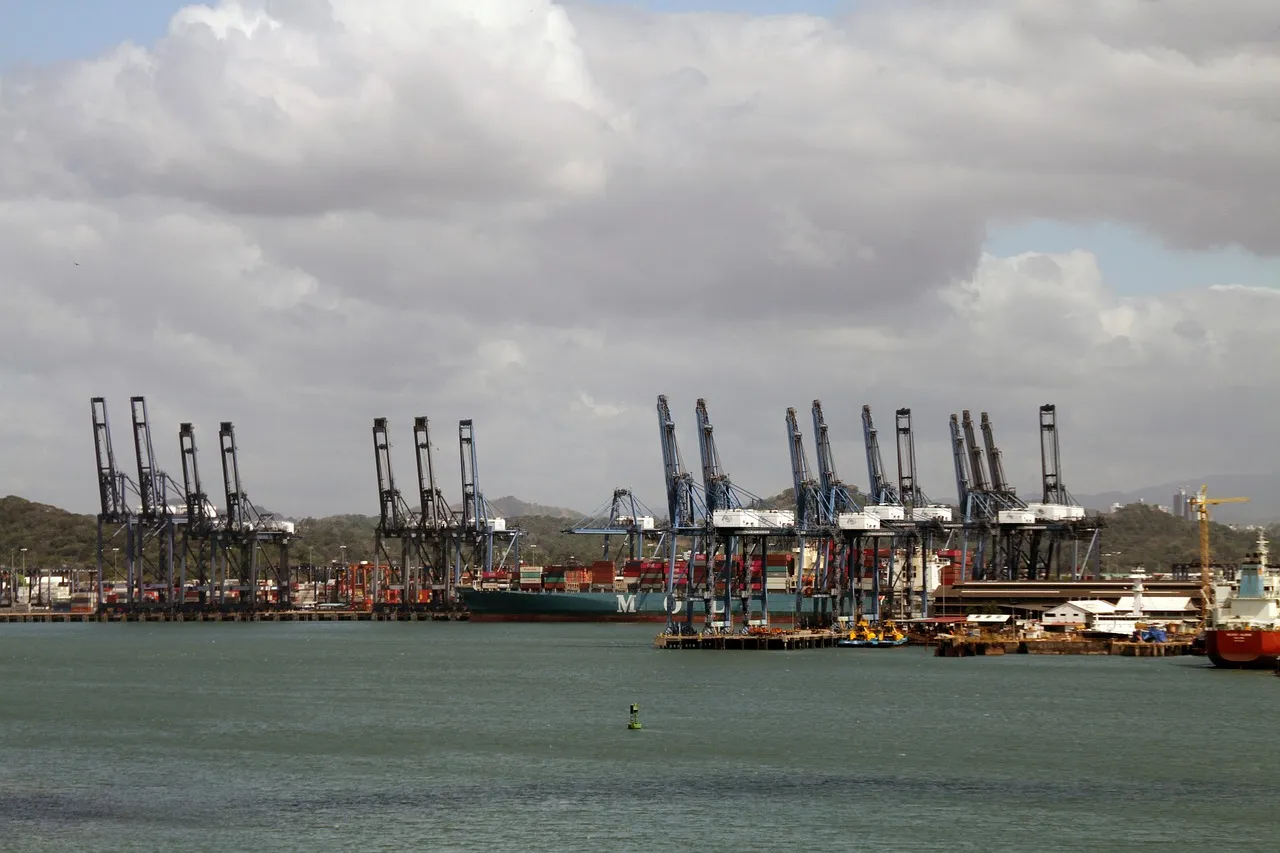
Re-export trade involves the trade policies and regulations of multiple countries and regions, and any slight misstep can have widespread consequences. When trading companies in Liaoning engage in re-export trade, a moment of carelessness can lead them to hit the "hidden reefs" of policies and regulations. Different countries have vastly different standards for commodity access, tariff policies, and trade control measures. For instance, some countries may suddenly adjust import tariffs on specific goods. If Liaoning enterprises fail to keep abreast of such changes, they may face a substantial increase in costs during the re-export trade process. Furthermore, trade regulations in various countries are updated frequently, and every change, from rules of origin to intellectual property protection, can affect the normal conduct of re-export trade.
"Turbulent Waves" of Market Fluctuations
Global markets are constantly changing, like a turbulent sea, and re-export trade enterprises in Liaoning are like ships sailing in this sea. Changes in market demand, currency fluctuations, and fluctuations in raw material prices can all bring huge shocks to re-export trade. Taking exchange rates as an example, if a Liaoning company signs a re-export trade contract and its domestic currency appreciates, the company may suffer exchange rate losses upon settlement. Another example is market demand: if the demand for a certain commodity in the target market suddenly drops, and the company has already completed its procurement and transportation arrangements, it may face inventory backlog and difficulties in capital turnover. The instability of raw material prices should also not be underestimated, as it can lead to increased procurement costs for companies, squeezing profit margins.
"Hidden Traps" of Logistics and Supply Chains
The smooth conduct of re-export trade highly depends on efficient and stable logistics and supply chain systems. Although Liaoning has certain logistical advantages, there are still many hidden traps in the complex process of re-export trade. Cargo damage or delays during transportation, poor storage in warehousing, and poor connectivity among various links in the supply chain can all lead to losses for enterprises. For example, if goods are delayed for a long time due to port congestion while waiting for transshipment at a transit port, it will not only increase warehousing costs but also may lead to missing the best sales opportunities. In addition, the lack of transparency in logistics information can also put companies in a passive position during cargo transportation, making it impossible to make timely adjustments.
"Fatal Tumors" of Trade Fraud
Trade fraud is a "fatal tumor" in re-export trade, constantly threatening the interests of Liaoning enterprises. Some unscrupulous individuals may exploit the complexity of re-export trade to design elaborate scams. For example, they may forge trade documents to defraud companies of goods or payments, or sign fictitious contracts and refuse to pay for goods after delivery on various pretexts. If Liaoning enterprises lack sufficient risk awareness when expanding their re-export trade business, they are easily becoming victims of trade fraud.
Conclusion: Proceed with Caution and Overcome Dangers
Although the risks of re-export trade in Liaoning are ever-present, they are not insurmountable. Enterprises should strengthen their research on trade policies and regulations, closely monitor market dynamics, optimize logistics and supply chain management, and at the same time enhance their risk prevention awareness and establish a comprehensive risk early warning mechanism. Only in this way can re-export trade enterprises in Liaoning find their direction in the mist of risks, move forward steadily, and transform risks into development opportunities. Let us look forward to Liaoning's re-export trade blooming with more brilliant splendor in the process of confronting risks.

Recent Comments (0) 0
Leave a Reply