When Mr. Shi was packing the last batch of rolling suitcases at Yiwu International Trade City, the destination of these goods printed with Nordic aurora patterns was not Sweden, but Port Klang in Malaysia. Three days later, the same suitcases would be rebranded with Italian labels and appear in the windows of Milan boutiques. This is the magic of luggage re-export trade—rewriting the identity of goods through logistics routes, and finding profit margins in the gaps of tariffs and policies.
The Triple Game of Re-export Trade
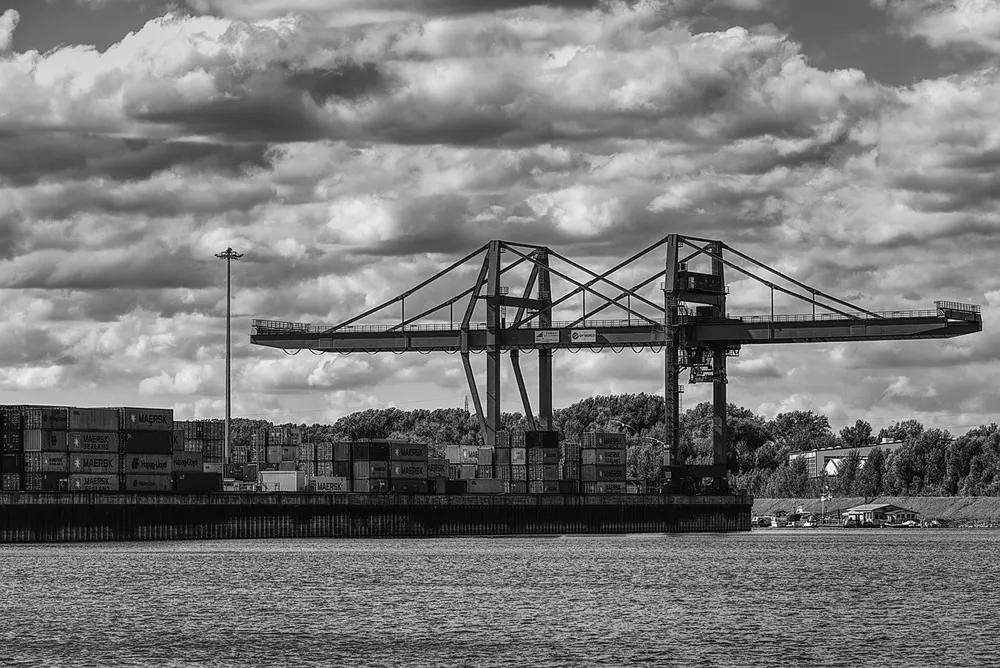
Unlike traditional import and export, the core of re-export trade lies in "passing through but not entering." Taking a transit port in Southeast Asia as an example:
- Luggage produced in China enters the free trade zone with zero tariffs
- "Soft processing" such as label replacement and quality inspection certification is completed in the transit warehouse
- Finally, it is exported to Europe and the United States with ASEAN origin status, avoiding anti-dumping duties of up to 30%
Mr. Shi trading company has relied on this process to reduce the cross-border e-commerce return rate from 18% to below 5%.
Logic of Key Hub Selection
Successful re-export trade requires precise geographic arbitrage:
- Singapore: A transit station for high-end luggage, leveraging the AFTA agreement and efficient customs clearance
- Dubai: Utilizes the JAFZA free trade zone for rapid 48-hour turnover between the Middle East and Europe
- Colon, Panama: Duty-free policies reduce shipping costs for South American orders by 40%
It is worth noting that these hubs possess "dual port advantages"—composite infrastructure of deep-water ports and air cargo hubs.
Building a Firewall Against Compliance Risks
The EU's newly introduced "substantial transformation of origin" standard in 2023 caught many re-export traders off guard. Professional institutions suggest:
- Retain proof of at least 20% added value in the transit location (e.g., re-tanning leather)
- Establish a comprehensive system for logging logistics trajectories
- Avoid using sensitive countries as transit points
In one inspection, a batch of mountaineering bags transited through a third country was eventually subject to punitive tariffs due to a lack of complete processing records.
New Play with Digitalization
Blockchain technology is changing the game. The traceability system developed by Zhongmaoda allows buyers to scan codes to view:
- Proof of environmental compliance for raw material sourcing
- Full-link temperature and humidity monitoring data
- Automatic conversion of multilingual certification documents
This transparent operation has actually created a premium space for re-exported goods, with a Japanese retailer paying an additional 15% of the procurement price for this reason.
The Future Belongs to "Value Re-export"
As environmental tariffs become a new trend, simple label replacement is no longer safe enough. Leading companies are beginning to inject real value in transit locations:
- Setting up a leather care service center at a transit station in Vietnam
- Establishing a regional design and research center in Malaysia
- Utilizing Hong Kong's free port for limited edition pre-sale stock adjustments
As a senior industry consultant said: "The winners of the future will not be logistics route designers, but value restructuring experts." Are you ready to redesign your global luggage journey?

Recent Comments (0) 0
Leave a Reply