In the brilliant constellation of international trade, Macau's re-export trade once shone with a unique radiance. Macau, a city that blends diverse cultures, has a re-export trade story that resembles a grand historical narrative, one worthy of our careful appreciation and in-depth exploration.
Glorious Historical Trajectory
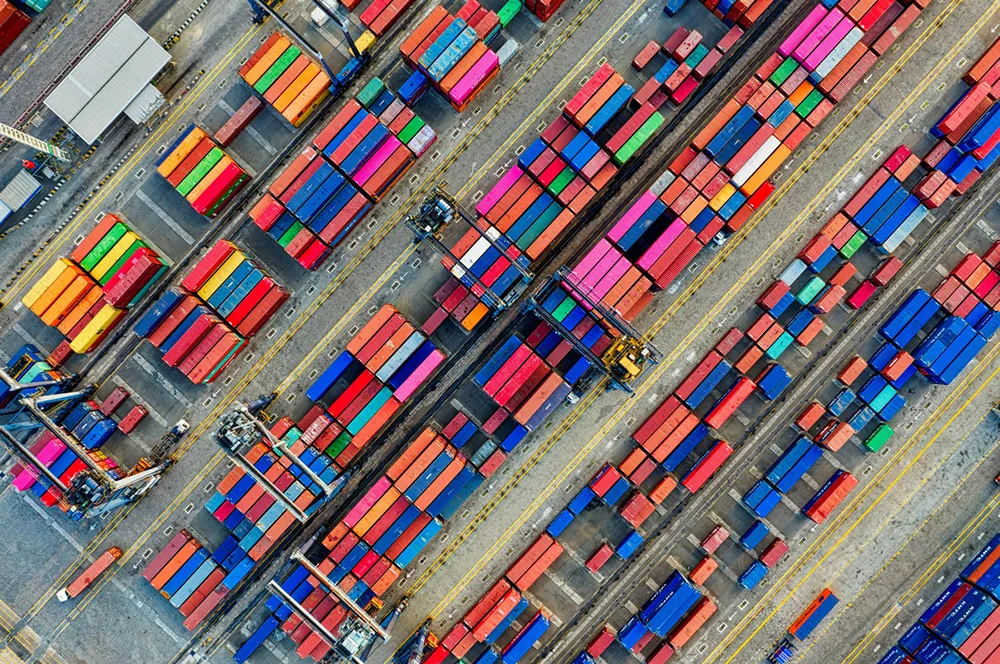
Looking back at history, the rise of Macau's re-export trade was favored by unique conditions. As early as the Age of Discovery, leveraging its superior geographical location, Macau became an important transit hub for East-West trade. After Portuguese navigators opened new sea routes, Macau served as a crucial nexus connecting Europe, Asia, and the Americas, transporting Eastern treasures such as silk, tea, and porcelain to the West, while also introducing European spices, glass products, and other goods to the East. At that time, Macau's port was bustling with merchant ships, and its re-export trade flourished, ranking among the best in Asia.
This prosperity continued for several centuries, with Macau serving not only as a distribution center for goods but also as an important platform for cultural and technological exchange. Western knowledge such as astronomy, calendar systems, and medicine entered China through trade, while Chinese traditional crafts and philosophies were disseminated worldwide.
Challenges and Transformation
However, as the tide of time rolled forward, Macau's re-export trade has faced numerous challenges in modern times. With the rise of neighboring emerging port cities, such as Hong Kong, Macau gradually lost its advantages in shipping facilities and trade scale. The traditional re-export trade model was impacted, coupled with profound changes in the global trade landscape, making transformation urgent for Macau's re-export trade.
In recent years, Macau has been actively exploring new development paths. On one hand, it has strengthened infrastructure construction to enhance port throughput capacity and service levels; on the other hand, it has optimized its trade structure, no longer confined to traditional commodity re-exports, but expanding into high-value-added products and service sectors. For instance, by leveraging its unique cultural characteristics, it has developed re-export trade for cultural and creative products, while also strengthening supporting services like finance and logistics, injecting new vitality into re-export trade.
Future Development Opportunities
Macau's re-export trade is not without a bright future. With the advancement of the Guangdong-Hong Kong-Macau Greater Bay Area construction, Macau has embraced new development opportunities. Within the Greater Bay Area, cities complement each other in resources and develop collaboratively, allowing Macau to leverage the overall advantages of the Greater Bay Area to further enhance its position in international trade.
Furthermore, the Belt and Road Initiative also provides vast opportunities for Macau's re-export trade. Leveraging its traditional ties with Portuguese-speaking countries, Macau can become an important bridge for trade exchanges between China and Portuguese-speaking countries, expanding into new trade markets and promoting the diversified development of re-export trade.
Conclusion and Outlook
Macau's re-export trade has a glorious past; although it faces challenges currently, it also presents opportunities. How to seize the opportunities presented by the era and achieve a successful transformation is key to the future development of Macau's re-export trade. We anticipate Macau will be able to regain the brilliance of its re-export trade amidst the tides of the new era, making new contributions to the prosperity of global trade. We also hope that more people will pay attention to the development of Macau's re-export trade, jointly discuss its future direction, and help Macau shine anew on the international trade stage.

Recent Comments (0) 0
Leave a Reply