Imagine that the iPhone in your hand, the French red wine on your table, or even the German sports shoes on your feet, may have all passed through a place less than 1,100 square kilometers – Hong Kong. This tiny landmass handles over 5 trillion Hong Kong dollars in re-export trade annually, equivalent to nearly 1 million Hong Kong dollars worth of goods flowing through every minute. Today, we will uncover the mystery of Hong Kong as a global re-export trade hub.
Why Has Hong Kong Become a Re-export Trade Center?
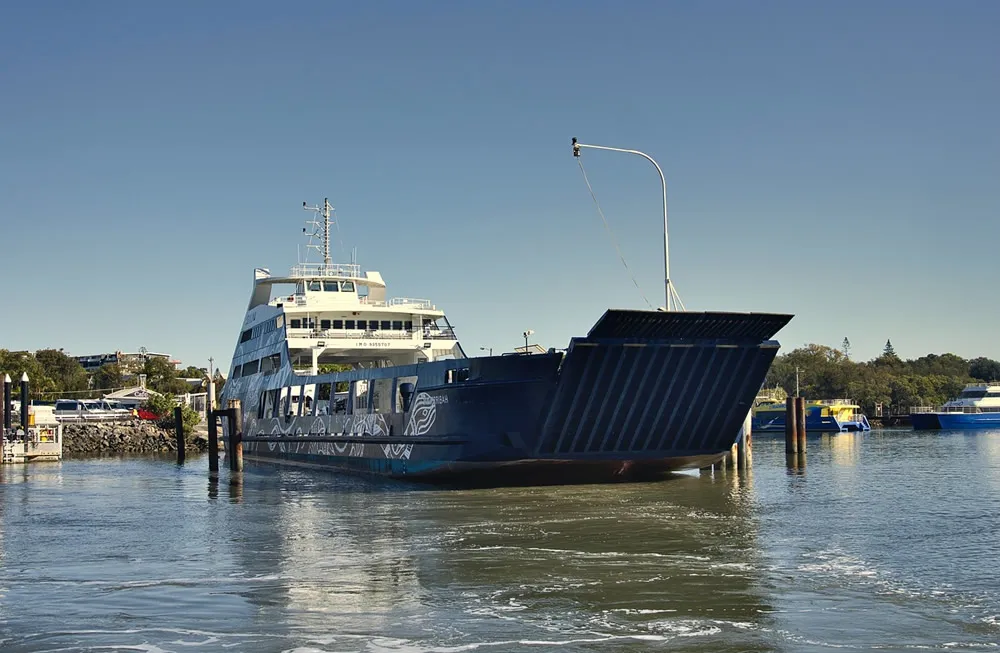
Geographical advantage is Hong Kong's first trump card. Located in the heart of Asia, its 4-hour flight range covers half of the world's population, and Victoria Harbour is a natural deep-water port. Mr. Zhao, who has been in the logistics industry for 20 years, describes: "The container terminals at dawn are like Lego bricks, with toys from Europe and America and electronics from Southeast Asia completing the puzzle here."
More crucial is its institutional advantage: zero-tariff policy, freely convertible currency, and a legal system aligned with international standards. Mr. Zhao, whose trading company handles 300 boxes of Colombian coffee beans weekly, specifically mentioned: "Hong Kong's customs clearance speed is 2-3 days faster than its neighbors, which is a lifeline for fresh produce."
- The world's busiest air cargo hub (for 28 consecutive years)
- The world's third-largest container port
- Special CEPA trade arrangement with mainland China
How Does Re-export Trade Actually Work?
A typical process is as follows: Italian leather arrives in Hong Kong → local traders complete quality inspection and grading → repackaging and relabeling → shipped to Shanghai within 48 hours. This "physical transit + service value-add" model allows Hong Kong to earn not just shipping fees, but the value of supply chain management.
New models emerging in recent years are even more noteworthy:
- Cross-border e-commerce transit: overseas goods are stored in Hong Kong's bonded warehouses and cleared only after consumers place orders
- Offshore trade: goods do not physically transit, only the flow of funds and documents is handled
- Green logistics transit: compliant pre-treatment of electronic waste from Europe and America
Challenges and Transformation in the Digital Age
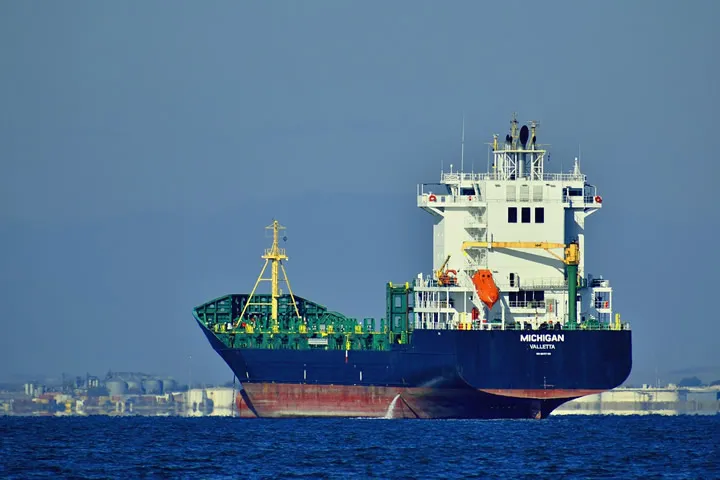
With the popularization of blockchain technology, the advantage of traditional trade documents is diminishing. However, Hong Kong is rapidly embracing change:
The "Trade Connect" platform launched in 2023 has achieved digitized processing of letters of credit, compressing transaction time from 5 days to 4 hours. A chip trading company revealed: "Now processing Southeast Asian orders through the Hong Kong platform has increased capital turnover by 3 times."
Future opportunities lie in the upstream of the value chain: shifting from simple logistics transit to providing high-end services such as testing and certification, financing, and insurance. It's like upgrading a "highway" to a "comprehensive service area."
Where Are Your Opportunities?
If you are a small business owner, you can consider:
- Using Hong Kong as a transit point to test overseas market reactions
- Obtaining better international raw material quotes through Hong Kong traders
- Learning from the supply chain management experience of Hong Kong enterprises
Next time you open a package, take a look at the logistics information to see if it passed through Hong Kong. This city, lacking resources and hinterland, has built a "super router" for global trade through its intelligence and institutions. How long do you think this physical transit model can last in the era of digital trade? Feel free to share your observations in the comment section.

Recent Comments (0) 0
Leave a Reply