In today's globalized business wave, re-export trade, as a unique form of trade, is playing an increasingly important role. Perhaps many people are still unfamiliar with it, but it truly affects the business layout and economic benefits of many enterprises. So, today let's delve into the accounting treatment of re-export trade and unveil its seemingly mysterious facade.
I. Basic Concepts of Re-export Trade
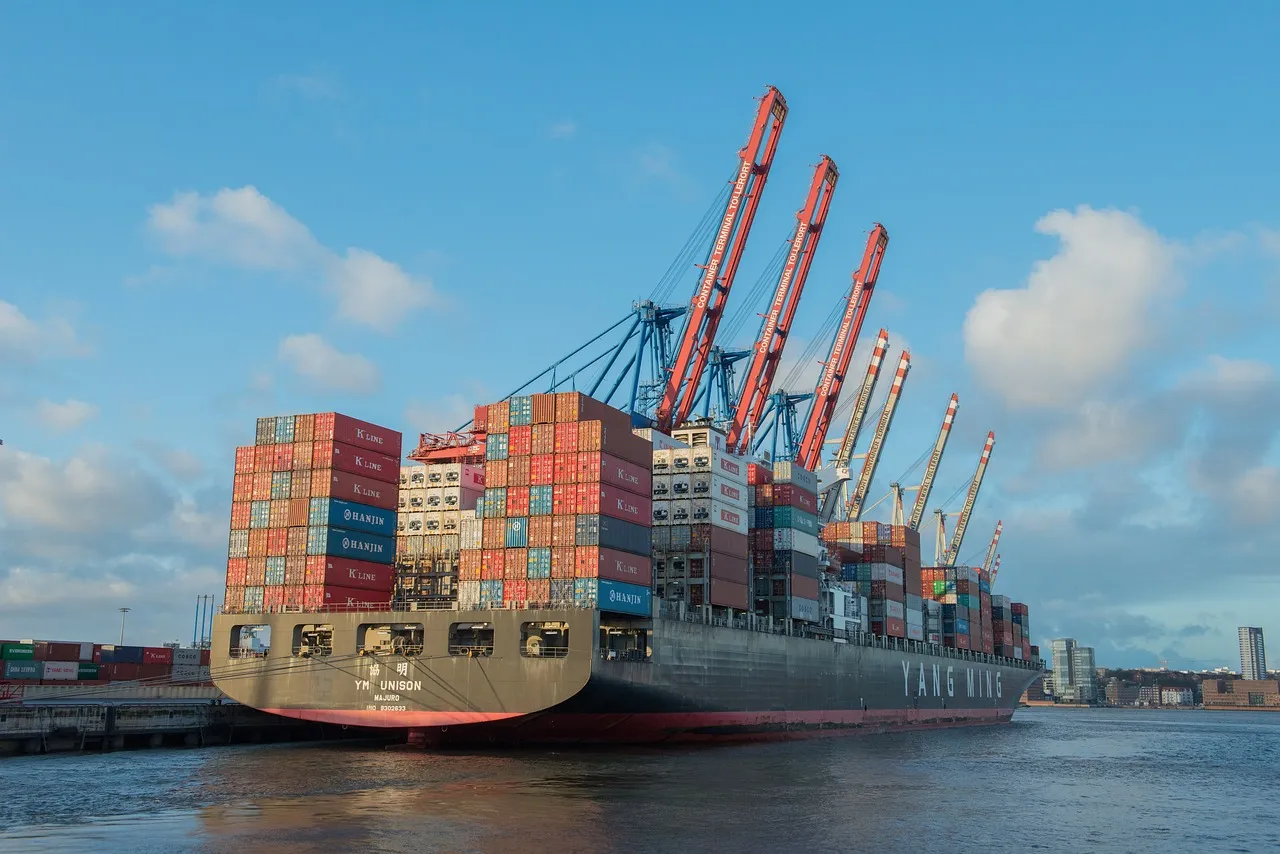
Re-export trade, simply put, is a trade method where the buying and selling of goods do not occur directly between the producing country and the consuming country, but rather through a third country.For example, goods produced in Country A are not sold directly to consumers in Country C, but are first sold to a trader in Country B, and then resold by the trader in Country B to consumers in Country C. The trade activity carried out by Country B here is re-export trade.Its existence is often due to the combined effects of various factors such as trade policies, tax policies, and geographical location between countries. Having understood the basic concepts, let's now focus on its key accounting treatment points.
II. Key Accounting Treatment Points for Re-export Trade
1. Accounting Treatment in the Procurement Stage
When a re-export trader procures goods from the country of origin, they should be recorded at their purchase cost. Generally, this involves the purchase price of the goods, transportation fees, insurance premiums, and other related expenses. All these expenses should be included in the purchase cost of the goods. For example, if Mr. Lan company procured a batch of goods worth 1 million yuan from Zhongmaoda, paid 50,000 yuan for transportation fees, and 10,000 yuan for insurance premiums, then the purchase cost of these goods should be 1.06 million yuan. The accounting entry can be recorded as: Debit: Inventory - Re-export Goods 1.06 million yuan; Credit: Bank Deposits, etc. 1.06 million yuan.
2. Accounting Treatment in the Warehousing Stage
If goods require warehousing during the re-export process, warehousing costs also need corresponding accounting treatment. Warehousing costs should be recognized as current period expenses and can be accounted for through accounts such as "Selling Expenses". Assuming Mr. Lan company incurred 20,000 yuan in warehousing fees during re-export trade, the accounting entry would be: Debit: Selling Expenses - Warehousing Fees 20,000 yuan; Credit: Bank Deposits, etc. 20,000 yuan.
3. Accounting Treatment in the Sales Stage
When a re-export trader sells goods to customers in the final consuming country, sales revenue and cost of goods sold must be recognized. Sales revenue is recognized at the price stipulated in the sales contract, while the cost of goods sold is the previously accounted purchase cost. For example, if the aforementioned goods with a purchase cost of 1.06 million yuan are sold for 1.5 million yuan, the accounting entry would be: Debit: Bank Deposits, etc. 1.5 million yuan; Credit: Main Business Revenue 1.5 million yuan. Concurrently, Debit: Main Business Cost 1.06 million yuan; Credit: Inventory - Re-export Goods 1.06 million yuan.
III. Details to Note in Re-export Trade Accounting Treatment
When performing accounting treatment for re-export trade, there are several details that require special attention. Firstly, exchange rate fluctuations may impact accounting. Because re-export trade often involves currency settlements in different countries, exchange rate fluctuations can cause changes in income, costs, and other amounts when converted to local currency. Therefore, it is important to timely monitor exchange rate dynamics and perform conversions at appropriate rates. Secondly, relevant documents such as trade contracts, invoices, and customs declarations must be properly preserved, as these are important bases for accounting treatment and crucial supporting materials for future tax audits, etc.
IV. Summary and Outlook
Although the accounting treatment of re-export trade has its own characteristics and complexities, as long as we master the key treatment points and pay attention to details, we can accurately perform accounting and provide strong financial support for enterprises' re-export trade businesses. With the continuous development of the global economy, the scale and forms of re-export trade may also continue to change, and our financial personnel need to continuously learn and adapt to ensure that our accounting treatment keeps pace with the times.
Dear readers, have you encountered any specific issues in the process of re-export trade accounting treatment? Please feel free to leave comments and discuss in the comment section, let's continuously improve together through communication!

Recent Comments (0) 0
Leave a Reply