"How are tariffs calculated for coffee beans imported from Vietnam?" "What to do if German equipment gets stuck in customs clearance after arriving at the port?" Mr. Qiu, who does import and export business in Nanning, has been troubled by these issues recently. With increasingly frequent trade exchanges between China and ASEAN, more and more Nanning enterprises are looking to overseas markets. However, the complex customs declaration process and hidden transportation risks have deterred many entrepreneurs.
How do professional agents solve the dilemma of cross-border logistics?
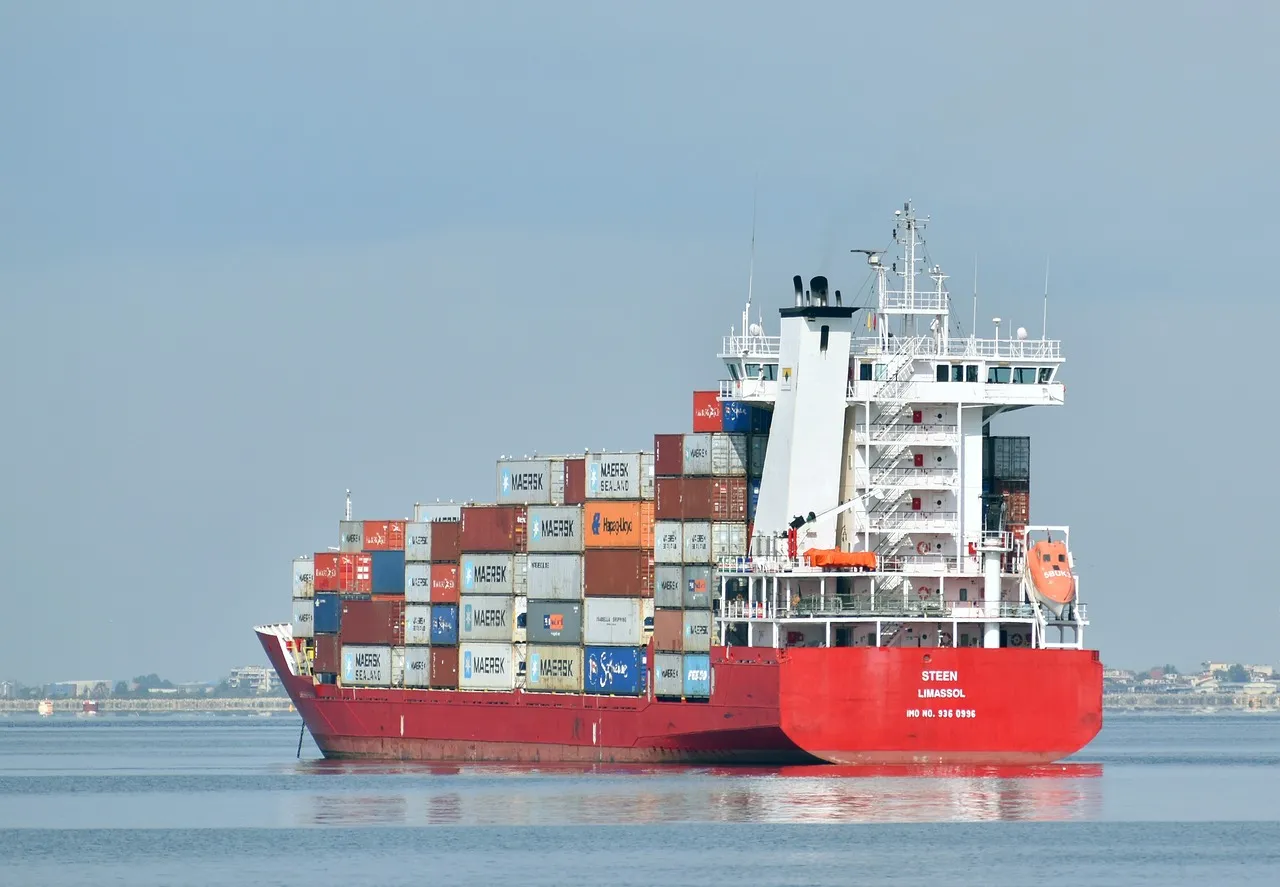
Industry data shows that in 2023, the customs clearance time for imported goods at Guangxi ports decreased by 23% year-on-year. However, 67% of small and medium-sized enterprises still suffer cargo damage or port congestion due to unfamiliarity with the rules. Mr. Qiu, an expert in ocean freight forwarding at Zhongmaoda, pointed out: "From booking to arrival, the real risks are often hidden in the details." For example, Vietnamese dragon fruit requires a quarantine permit to be obtained in advance, while German machinery involves applications for 3C certification exemption.
- Cost Blind Spot Warning: Additional fees such as THC and DOC in ocean freight quotes may account for 15% of the freight cost.
- Timeliness Management Tips: Choosing a ship schedule with a cutoff on Thursday for Southeast Asian routes can avoid weekend port congestion.
- Compliance and Pitfall Avoidance Guide: Improper use of RCEP certificates of origin may result in a loss of 5%-10% tariff preference.
Advanced Strategies from "Getting Through" to "Running Smoothly"
The case of Ms. Wang, from a Nanning food processing plant, is quite representative: through the agent company's pre-declaration system, her import customs clearance time for Thai young coconuts was compressed from 7 days to 48 hours, and the loss rate was reduced to zero. Zhongmaoda's intelligent tracking system can monitor the temperature and humidity of containers in real-time, which is particularly important for goods such as Australian red wine and Norwegian salmon that require constant temperature transportation.
It is worth noting that the value of professional agents lies not only in problem-solving but also in proactive risk prevention. For example, for goods exported to the United States, ISF10+2 declaration should be completed in advance; for precision instruments from Japan, a shock-absorbing solution using air-suspension containers is recommended.
Is your freight forwarder partner "knowledgeable" enough?
When you enter "Nanning ocean freight forwarder" into a search engine, you might get tens of thousands of results. However, truly high-quality agent service providers should possess: their own customs declaration teams at major ASEAN ports, a case library of over 2,000 chemical transportation cases, and specialized guidance capabilities for customs AEO certification.
Next time you receive a quote from an overseas supplier, try asking three questions: Are the destination port fees clear? Do the trade terms match my risk tolerance? What is the emergency plan in case of an unexpected inspection? Perhaps the gap between a professional agent and an ordinary intermediary lies in the answers to these questions.
(Welcome to share your cross-border logistics experience in the comment section. We will select 3 readers to provide free customs consulting services.)

Recent Comments (0) 0
Leave a Reply