“Mr. Ye recently transited a batch of electronic components to Vietnam via Hong Kong, but was asked by the bank to provide 5 additional documents. What exactly happened?” In recent years, re-export trade, due to its complex capital and goods flows, has become a key regulatory area for SAFE. This article will guide you through the fog to understand the logic behind the policies and how businesses should respond.
Three Core Characteristics of Re-export Trade
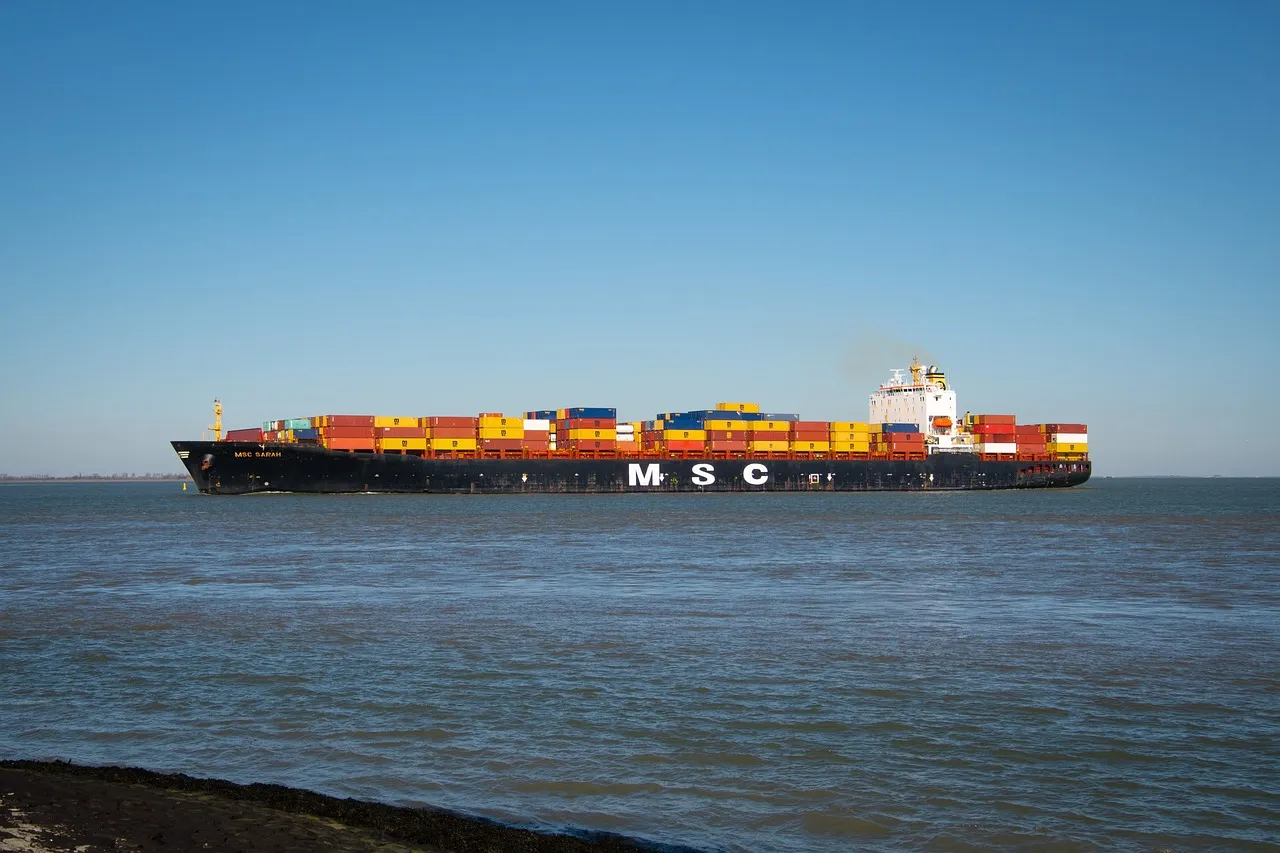
Re-export trade refers to a form of trade where goods do not pass through the customs territory of the country, but are directly shipped from the seller's country to the buyer's country. Its typical characteristics include:
- Separation of Goods Flow and Capital Flow: Goods are directly shipped to a third country, but funds are settled through a transit country.
- Triple Trade Relationship: Involving three legal entities: exporter, transit party, and ultimate buyer.
- High Value-Added Operations: Often accompanied by financial operations such as letter of credit discounting and exchange rate arbitrage.
SAFE's Four Major Regulatory Red Flags
Since 2023, SAFE has strengthened regulation through a dual dimension of "banks + enterprises," focusing on investigating and penalizing the following behaviors:
- Cross-border financing based on fictitious re-export trade
- Exchange rate arbitrage utilizing time differences
- Falsely inflating import and export volumes through related-party transactions
- Splitting foreign exchange purchases and payments to evade quota management
A case recently announced by a local branch shows that Mr. Ye company was fined 30% of the transaction amount for repeatedly using warehouse receipts for the same batch of goods to obtain re-export trade financing.
Corporate Compliance Operation Guidelines
Zhongmao Trade experts suggest enterprises establish a "three-document matching" risk control system:
- Logistics documents: including ocean bills of lading, warehouse receipts, etc., which need to reflect the complete transportation chain.
- Financial documents: Foreign exchange receipt and payment amounts must strictly correspond to contracts, with a time difference not exceeding 180 days.
- Ownership certificates: Transfer of goods ownership requires clear legal documentation.
Special reminder: If the profit margin of re-export trade consistently deviates more than 20% from the industry average, it is highly likely to trigger a regulatory warning.
Future Regulatory Trends Forecast
With the application of blockchain technology, SAFE may implement:
- Cargo tracking system: Interfacing with electronic warehouse receipt data from major global ports
- Intelligent analysis model: Automatically identifying abnormal patterns of "the same batch of goods resold across multiple countries"
- Credit-based tiered management: Implementing penetrative supervision for enterprises that frequently change trade routes
Is Your Enterprise Ready?
When regulatory technology meets complex trade, compliance has transformed from a cost item into a competitive advantage. Feel free to share your practical re-export trade challenges in the comments section or send a private message to get the latest version of the Re-export Trade Foreign Exchange Operation Manual. Next time, we will provide an in-depth analysis of the "New Policy on Foreign Exchange Management for Cross-border E-commerce," so stay tuned!

Recent Comments (0) 0
Leave a Reply