In today's globalized business world, there are various trade methods, among which re-export trade and indirect trade are two frequently mentioned concepts. Today, let's delve into these two trade models and uncover their mysteries.
I. Re-export Trade: The "Transit Hub" in the Trade Arena
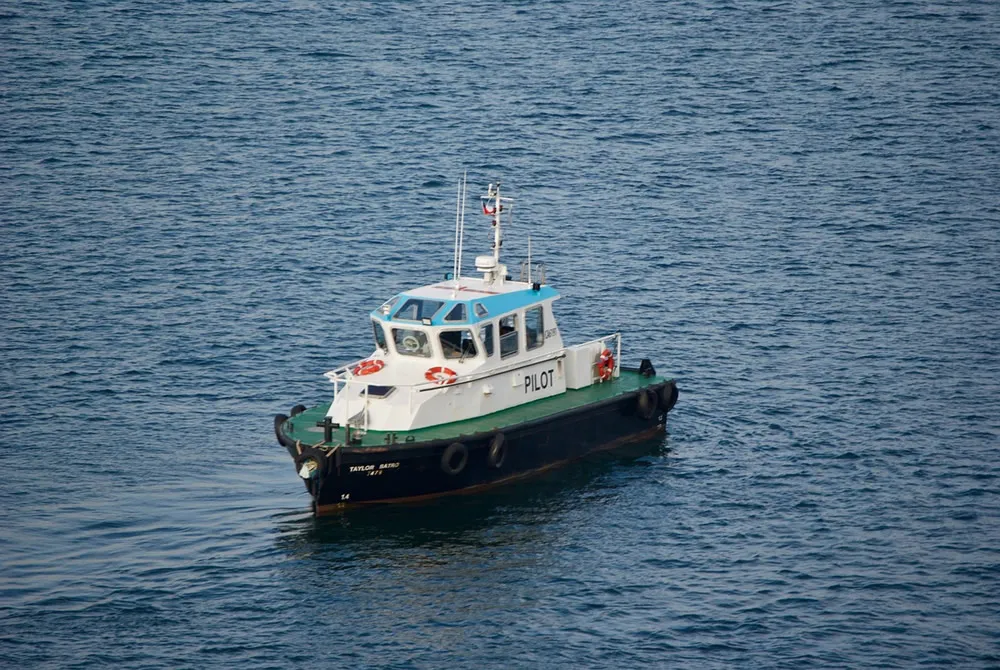
Simply put, re-export trade refers to trade activities where the country of production and the country of consumption do not engage in direct trade, but rather conduct trade through a third country. This third country acts as a transit hub, playing a unique role. For example, Country A produces a batch of specialty goods but, for various reasons, cannot directly trade with Country C. In this case, Country B can act as the intermediate party for re-export trade, importing the goods from Country A and then exporting them to Country C.
The advantages of re-export trade are obvious. For the producing country, it can leverage the trade channels and market resources of the intermediate country to expand into consumer markets that are otherwise difficult to reach. For the consuming country, it can obtain goods that are scarce in its domestic market or difficult to import directly from the producing country through re-export trade. As for the intermediate re-export country, such as companies like Zhongmaoda participating, they can earn profit margins, increase trade volume, and enhance their influence in the international economy and trade.
II. Indirect Trade: The "Detour Tactic" in the Trade Chain
Unlike re-export trade, indirect trade refers to trade activities where the country of production and the country of consumption conduct trade through merchants or enterprises in a third country. The emphasis here is on facilitating trade through commercial entities in a third country, not necessarily that the goods must transit through the third country. For example, an enterprise in Country A wants to sell its products to a customer in Country C, but may lack familiarity with the market in Country C or have insufficient sales channels. In such cases, it might entrust a trading company in Country B to assist in completing the transaction. The trading company in Country B, utilizing its channels and resources in Country C, successfully sells the products from Country A to the customer in Country C.
Indirect trade also offers numerous benefits in actual business operations. It can fully leverage the professional advantages of commercial entities in third countries, such as their market knowledge and marketing capabilities. At the same time, for enterprises in both the producing and consuming countries, it can reduce many risks and troubles associated with exploring unfamiliar markets and conducting transactions, thus completing trade activities more efficiently.
III. Similarities and Differences between Re-export Trade and Indirect Trade
- Similarities: Both involve the participation of a third country and are used when there are certain obstacles or inconveniences in direct trade between the producing country and the consuming country, facilitating the circulation of goods and the completion of trade through factors in the third country.
- Differences: Re-export trade focuses on the actual transit of goods through a third country; while indirect trade emphasizes driving trade through commercial entities in a third country, and the goods do not necessarily transit through the third country.
IV. How to Better Conduct Re-export Trade and Indirect Trade?
Whether a company intends to engage in re-export trade or indirect trade, thorough preparation is essential. Firstly, a deep understanding of the markets, policies, and regulations of the relevant countries is required. For instance, in re-export trade, one needs to be clear about the transit country's import and export policies, tax regulations, etc.; in indirect trade, one needs to understand the business environment of the country where the entrusted third-country commercial entity is located. Secondly, it is crucial to establish good cooperative relationships. In re-export trade, maintain close cooperation with suppliers and purchasers in the transit country; in indirect trade, build a mutually trusting and beneficial cooperative model with the entrusted third-country trading companies, etc. Finally, continuously enhance one's own trade capabilities and risk management abilities to cope with various situations that may arise during the trade process.
Re-export trade and indirect trade, as important modes of international trade, offer more possibilities and flexibility for the development of global commerce. We hope that through today's introduction, everyone has gained a clearer understanding of them. We also look forward to everyone reasonably applying these two trade models in their business practices according to their actual situations to create more business value. What are your thoughts or experiences on this? Feel free to leave a message in the comment section to share!

Recent Comments (0) 0
Leave a Reply