In today's wave of globalized business, trade forms are becoming increasingly diverse, and among them, re-export trade by enterprises outside bonded zones is gradually entering people's view. Are you curious about what this seemingly mysterious re-export trade is all about? What unique operating models and potential opportunities does it have? Today, let's unveil the mystery of re-export trade by enterprises outside bonded zones together.
I. What is Re-export Trade by Enterprises Outside Bonded Zones
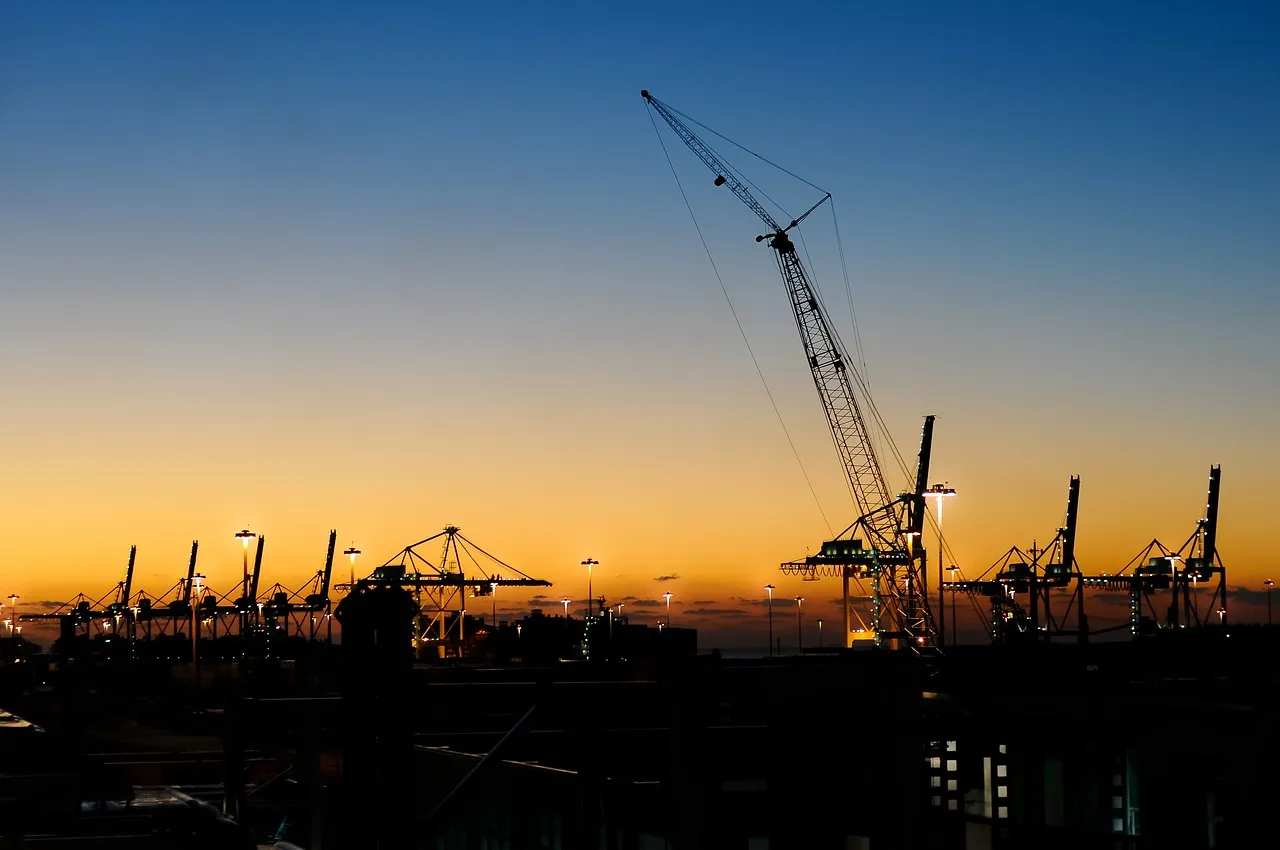
Re-export trade, simply put, is a trade method where enterprises do not directly engage in transactions between the production and consumption countries of goods, but rather buy and sell through a third country. Re-export trade by enterprises outside bonded zones refers to such trade activities carried out by enterprises that are not located within bonded zones.
For example, Mr. Zu company is located outside a bonded zone. He procured a batch of specialty goods from Country A, and instead of selling them directly to Country B, the final consuming country, he resold these goods to a trading company in Country C, which then sold them to Country B. This intermediate resale process is a typical example of re-export trade by enterprises outside bonded zones.
II. Operating Model and Process
First, enterprises need to accurately identify suitable sources of goods. Just like Mr. Zu company, which screens high-quality and reasonably priced product suppliers globally, this is the foundation for conducting re-export trade.
- After finding the source of goods, a purchase contract must be signed with the supplier, clarifying the rights and obligations of both parties.
- Next is to find suitable re-export markets and downstream customers. This requires a deep understanding of market demands, trade policies, and other factors in different countries and regions.
- Then, complete the transportation and handover procedures for the goods, ensuring that they flow smoothly from the country of origin to the country of re-export, and then to the final consuming country.
- Throughout the entire process, a series of tedious but crucial steps such as customs declaration, inspection, and settlement are involved.
III. Opportunities and Challenges Coexist
In terms of opportunities, re-export trade by enterprises outside bonded zones allows enterprises to break through geographical limitations and tap into broader international markets. By intelligently utilizing price differences and market demand disparities between different countries, enterprises have the opportunity to earn substantial profits. For instance, if certain products are overproduced and cheap in Country A, but in high demand and expensive in Country B, re-export trade can effectively seize this price arbitrage opportunity.
However, the challenges should not be underestimated. Trade policies and legal regulations vary across different countries, and enterprises need to invest a significant amount of effort to familiarize themselves with and comply with them. Furthermore, uncertainties in international logistics and exchange rate fluctuations can also bring risks to re-export trade. For example, sometimes goods may encounter delays or damage during transportation, or sudden changes in exchange rates may lead to a reduction in profits.
IV. Lessons Learned from Zhongmaoda's Success
Zhongmaoda has rich experience in the field of re-export trade by enterprises outside bonded zones. They focus on market research, delving into the characteristics and changing demands of markets in various countries and regions, thus enabling them to accurately select sources of goods and re-export markets. Concurrently, Zhongmaoda has established a comprehensive logistics and distribution system and a risk prevention and control mechanism, effectively addressing risks related to logistics and exchange rates. For example, they collaborate with multiple professional logistics companies to ensure the timeliness and safety of goods transportation; in exchange rate risk management, they employ various financial instruments for hedging.
Re-export trade by enterprises outside bonded zones is undoubtedly a vast blue ocean of business full of opportunities and challenges. By deeply understanding its operating models, seizing opportunities, and responding to challenges, enterprises may be able to carve out a new development path in the international market. So, has your enterprise considered venturing into this field? Or do you have any unique insights into re-export trade by enterprises outside bonded zones? We welcome everyone to discuss and share, and jointly explore more possibilities in this trade form.

Recent Comments (0) 0
Leave a Reply