On the grand stage of international trade, manufacturing enterprise export and agency export are two common models. These two approaches are like two different paths, both leading to the vast world of the international market, but each with its own characteristics. Today, let's delve deeper into the ins and outs of manufacturing enterprise export and agency export.
I. Manufacturing Enterprise Export: Venturing into the World Personally
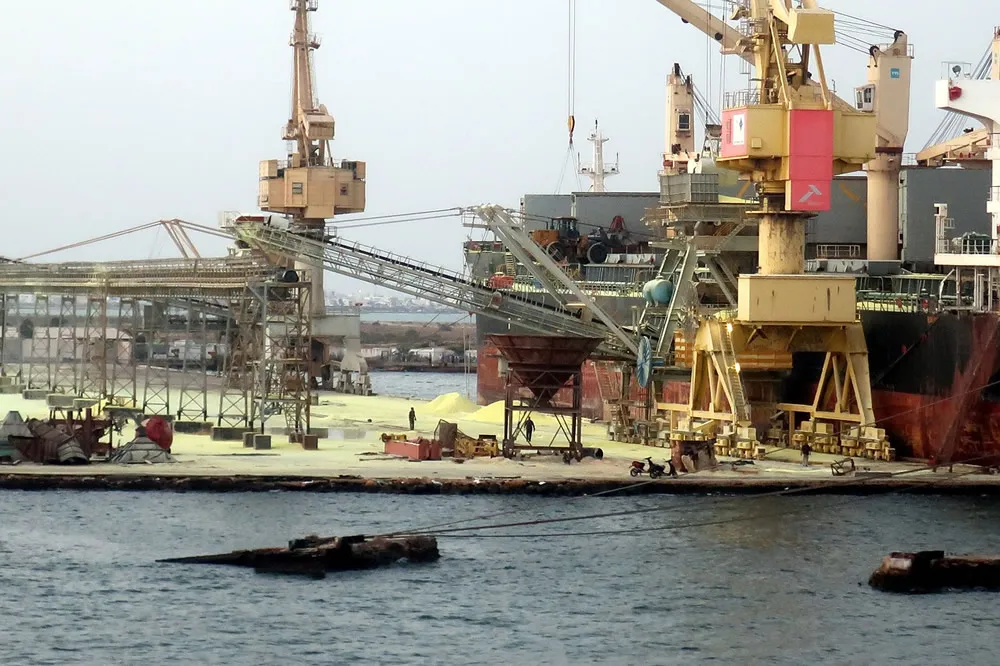
Manufacturing enterprise export, as the name suggests, means that a manufacturing enterprise, relying on its own strength, pushes its self-produced products into the international market. For Mr. Xiao manufacturing enterprise, choosing this method means personally handling numerous processes beyond the production stage.
- First, in terms of market development, enterprises need to find overseas customers themselves. This may involve participating in various international exhibitions and promoting products through online platforms to allow international buyers to recognize and understand their products. Just like Mr. Xiao company, to open up sales in the European market, they invest considerable funds annually to participate in professional industry exhibitions, showcasing the advantages and features of their products at these events.
- Secondly, regarding export procedure handling, manufacturing enterprises must personally manage a series of complex procedures such as customs declaration and commodity inspection. This requires the enterprise to have professional foreign trade personnel familiar with international trade rules and the policy requirements of various countries. Otherwise, a small issue in any step could lead to goods being detained and export delays.
- Furthermore, international logistics and transportation are also a concern for manufacturing enterprises. They need to choose appropriate transportation methods to ensure products are delivered safely and promptly to customers. For instance, for some fragile products, special attention must be paid to packaging and transportation conditions.
The advantage of manufacturing enterprise export lies in strong control over products, the ability to directly convey product features and advantages to customers, and relatively larger profit margins. However, it also faces numerous challenges, such as the cultivation of foreign trade talent and responding to international market risks.
II. Agency Export: Leveraging Others' Power for the Foreign Trade Path
Unlike manufacturing enterprise export, agency export involves manufacturing enterprises leveraging professional agency companies to complete export business. Mr. Xiao company, for example, chose the agency export model.
- Under this model, in terms of market development, agency companies often have richer customer resources and promotion channels. They can utilize their networks to recommend manufacturing enterprise products to suitable overseas buyers, which to some extent reduces the market promotion pressure on manufacturing enterprises.
- Handling export procedures is an even stronger suit for agency companies. They have professional teams familiar with various customs declaration and commodity inspection processes, capable of efficiently and accurately completing relevant procedures, thereby avoiding delays caused by procedural issues.
- Regarding international logistics, agency companies can also leverage their experience to choose cost-effective transportation methods and better handle emergencies during transit.
However, agency export also has some limitations. For example, manufacturing enterprises have relatively low involvement in export operations and may not directly understand customer needs and market dynamics. Additionally, agency companies charge service fees, which to some extent compress the profit margins of manufacturing enterprises.
III. How to Choose? Weighing Pros and Cons is Key
For manufacturing enterprises, whether to choose direct export or agency export requires considering multiple factors comprehensively. If the enterprise itself has a strong foreign trade team, a certain understanding and grasp of the international market, and wishes to maximize control over product sales and profits, then manufacturing enterprise export might be a good choice. However, if the enterprise lacks foreign trade talent, is unfamiliar with foreign trade processes, and wants to quickly introduce products to the international market, then agency export can leverage professional expertise to make the export path smoother.
In summary, both manufacturing enterprise export and agency export have their advantages and disadvantages. Enterprises should weigh the pros and cons based on their actual situation and make the most suitable choice to stand out in international market competition and achieve better development. Dear readers, what export model does your company use? Feel free to leave a comment and discuss in the comment section.

Recent Comments (0) 0
Leave a Reply