Mr. Luo recently received a batch of Malaysian durians, but the logistics bill showed they were shipped from Singapore; Mr. Luo purchased Italian furniture, and the customs declaration conspicuously listed a Vietnamese port code. Behind these seemingly contradictory scenarios lies a business model with an annual transaction value exceeding one trillion — re-export trade. Today, we will unveil the mystery of this "transit station" in international trade.
What is Re-export Trade?
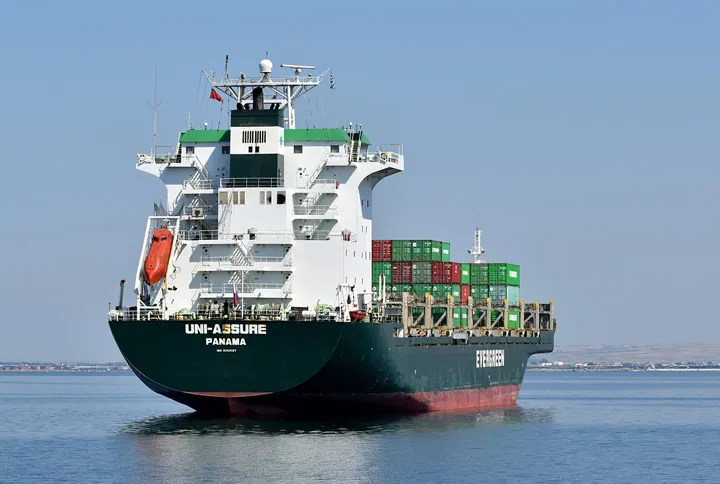
Simply put, re-export trade is when goods "take a detour" in a third country during their journey from the producing country to the consuming country. In this process, the goods may not even enter the domestic market of the transit country; they might merely have their labels changed, be repackaged in a bonded zone, or even just "circulate on paper" before continuing their journey.
- Typical Scenario: Chinese goods → Transit in Singapore → Ultimately sold to the USA
- Core Features: Separation of logistics and capital flows, multiple transfers of goods ownership
- Key Advantages: Avoiding tariff barriers, utilizing free trade agreements, optimizing tax structures
Three Major Operating Modes of Re-export Trade
1. Logistics Transit Model: Goods are actually stored and distributed via the transit country, such as the Middle East re-export hub in Dubai's Jebel Ali Free Zone.
2. Document Flow Model: Goods ownership is transferred solely through document operations, commonly seen in free ports like Hong Kong and Singapore. A batch of German auto parts might just "circulate" in Hong Kong's computer system before being sold to Southeast Asia.
3. Processing Value-Added Model: Simple processing (such as changing packaging or labeling) is carried out in the transit country to meet origin rule requirements. Vietnamese coffee beans, after being roasted in Malaysia, can then enjoy more favorable tariffs as "Made in Malaysia" products.
Why Do Businesses Need Re-export Trade?
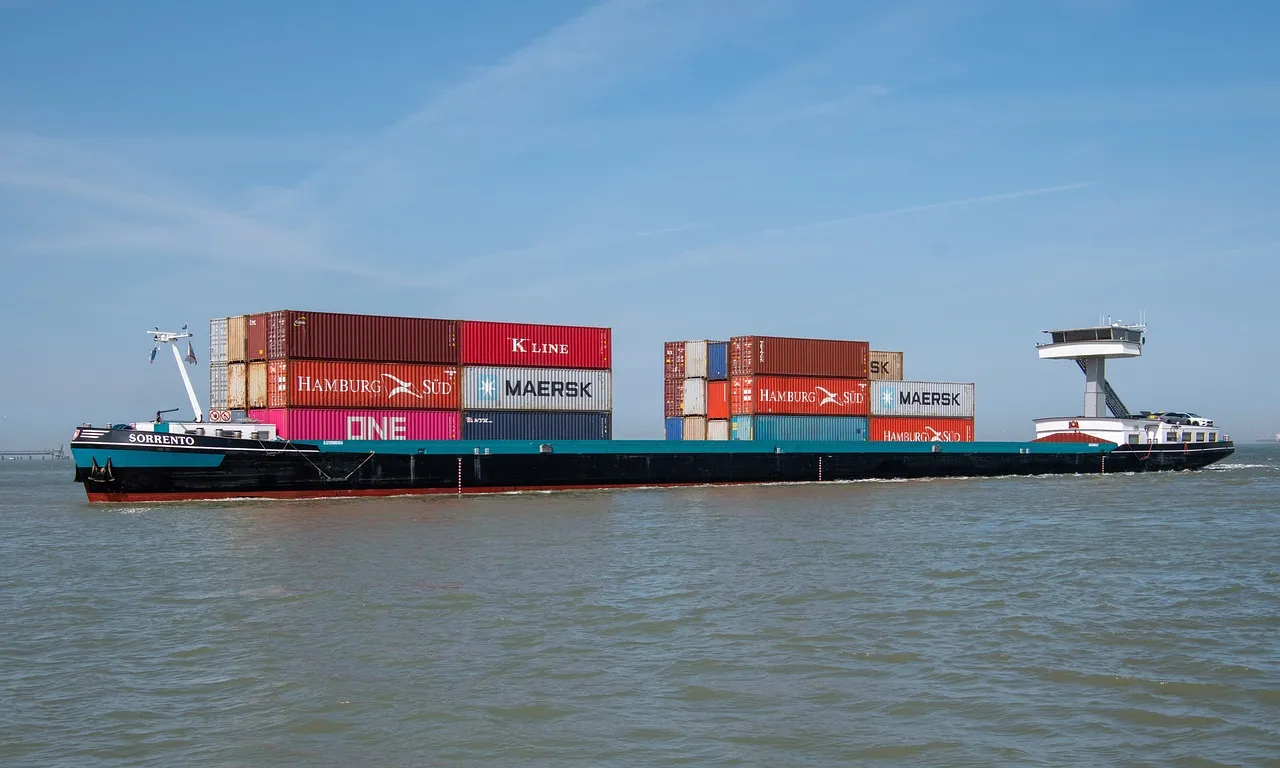
In 2023, a certain Southeast Asian country suddenly imposed a 20% tariff on Class A goods, blocking direct trade routes. Through re-export arrangements, Zhongmaoda's customers first sent goods to Thailand for transit, and by utilizing the ASEAN Free Trade Agreement, the final tariff was reduced to 5%. This reveals the three major practical values of re-export trade:
- Tariff Firewall: Bypassing trade barriers such as anti-dumping duties and special tariffs
- Capital Hub: Optimizing foreign exchange management through offshore settlement
- Risk Buffer: Maintaining supply chain flexibility during political and economic fluctuations
Beware of the Gray Areas in Re-export Trade
During a customs inspection, a batch of electronic products declared as "Singapore transit" had their actual origin labels deliberately abraded. This non-compliant operation reminds us:
- The document flow and goods flow must be traceable
- Certificates of origin need to be complete and compliant
- The choice of transit country should consider the free trade agreement network
The Future is Here: New Trends in Digital Re-export
Blockchain technology is transforming traditional re-export models. In a pilot project participated by Zhongmaoda, involving palm oil trade from Indonesia to Mexico, the transfer of goods ownership and issuance of letters of credit were automatically completed via smart contracts. The entire process time was reduced from 7 days to 53 minutes. This digital re-export may become the next-generation trade infrastructure.
When you place an order on a cross-border e-commerce platform, the item displayed as "direct international shipping" may have quietly undergone multiple re-export journeys. This invisible track is reshaping the global trade landscape – is your company ready to board this express train? Feel free to share any re-export trade cases or questions you've encountered in the comments section.

Recent Comments (0) 0
Leave a Reply