In today's globalized economic tide, re-export trade acts as a unique and important bridge connecting world markets. For numerous enterprises, re-export trade holds abundant opportunities and challenges. Today, let's delve into the mysteries surrounding re-export trading enterprises.
Operational Model of Re-export Trading Enterprises
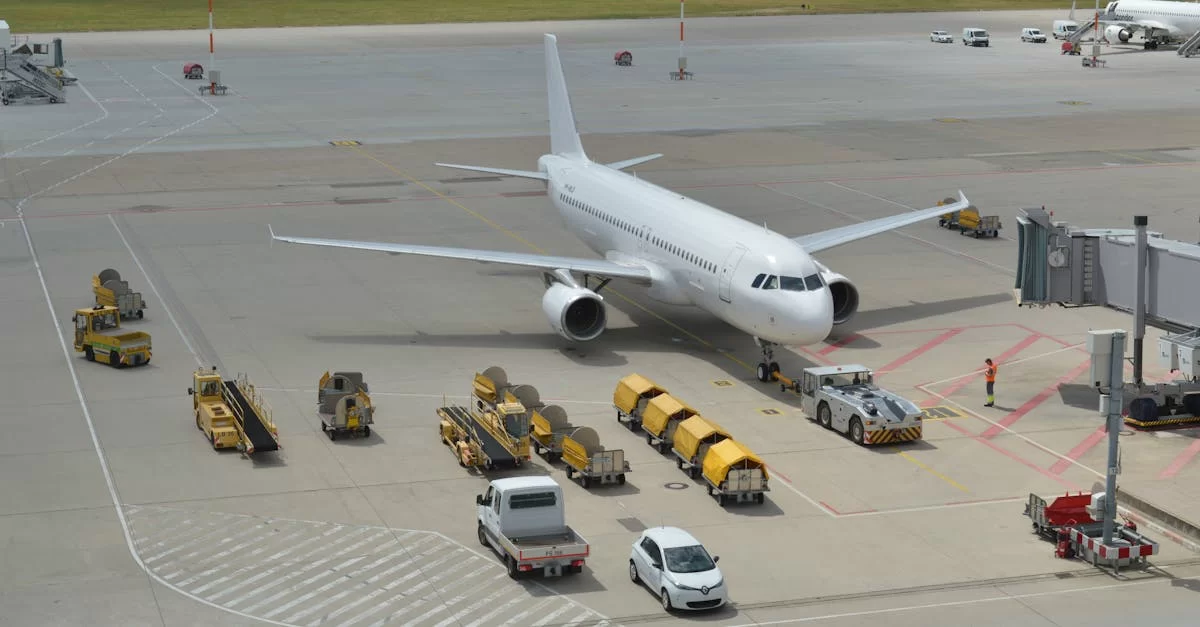
The core operational model of re-export trading enterprises, in simple terms, is that goods are not transported directly between the country of production and the country of consumption, but are transited through enterprises in a third country. For example, if Country A produces a certain commodity and Country C needs it, re-export trading enterprise B plays a crucial role. Country A ships the goods to the transit country where enterprise B is located, and enterprise B then re-exports the goods to Country C. In this process, enterprise B is not merely a logistics intermediary; it needs to control the ownership of the goods and arrange transactions.
Under this model, re-export trading enterprises must not only focus on the transportation of goods but also be proficient in international trade rules, exchange rate fluctuations, and the trade policies of various countries. For instance, if Country C imposes high tariffs on the commodity produced by Country A, but has lower tariffs on similar products from the transit country, a re-export trading enterprise can utilize this policy difference. Through appropriate transit arrangements, it can help products from Country A enter the market of Country C smoothly, while also earning profits.
Opportunities Faced by Re-export Trading Enterprises
Firstly, there are significant opportunities for market expansion. Re-export trading enterprises, due to their unique position, can access suppliers and buyers from different countries and regions. Take Zhongmaoda as an example. Through years of deep cultivation in the field of re-export trade, it has established a vast global customer network. This enables the enterprise to integrate and allocate advantageous products from different regions, thereby expanding market space and meeting the diverse needs of various customers.
Secondly, there are abundant opportunities for policy utilization. Various countries and regions, in order to promote trade development, often introduce a series of preferential policies, such as tax exemptions and special economic zone policies. Re-export trading enterprises can keenly capture this policy information, strategically position their businesses, and enjoy policy dividends. For example, some free trade zones offer lenient customs supervision and tax benefits for re-export trading enterprises, which undoubtedly reduces operational costs and enhances market competitiveness.
Challenges Faced by Re-export Trading Enterprises
Risk prevention and control is one of the major challenges faced by re-export trading enterprises. Among these, trade risks are at the forefront. Due to the trade regulations and policies of multiple countries involved, any change in policy may lead to risks such as goods being held up, fines, or even the inability to fulfill trade contracts. For example, if a country suddenly increases import tariffs and a re-export trading enterprise fails to adjust its trade strategy in time, it may result in a substantial increase in costs and loss of profits.
Logistics risks cannot be overlooked either. During multiple transits, goods may face problems such as transportation delays and damage. For instance, in the event of adverse weather or port congestion, goods may not arrive at their destination on time, which not only affects customer satisfaction but may also lead to breach of contract compensation. Furthermore, exchange rate risks constantly affect the profits of re-export trading enterprises. In international trade, exchange rates fluctuate frequently. If enterprises cannot effectively manage exchange rate risks, they may incur losses due to exchange rate changes.
Re-export trading enterprises occupy a unique position in the global economic landscape. Faced with numerous opportunities and challenges, enterprises need to continuously enhance their professional capabilities, strengthen risk prevention awareness, and flexibly utilize various trade methods and policy advantages to move forward steadily and achieve sustainable development in the complex and ever-changing international market. It is hoped that more enterprises can explore their own development paths in the field of re-export trade, jointly promoting the prosperity of global trade.

Recent Comments (0) 0
Leave a Reply