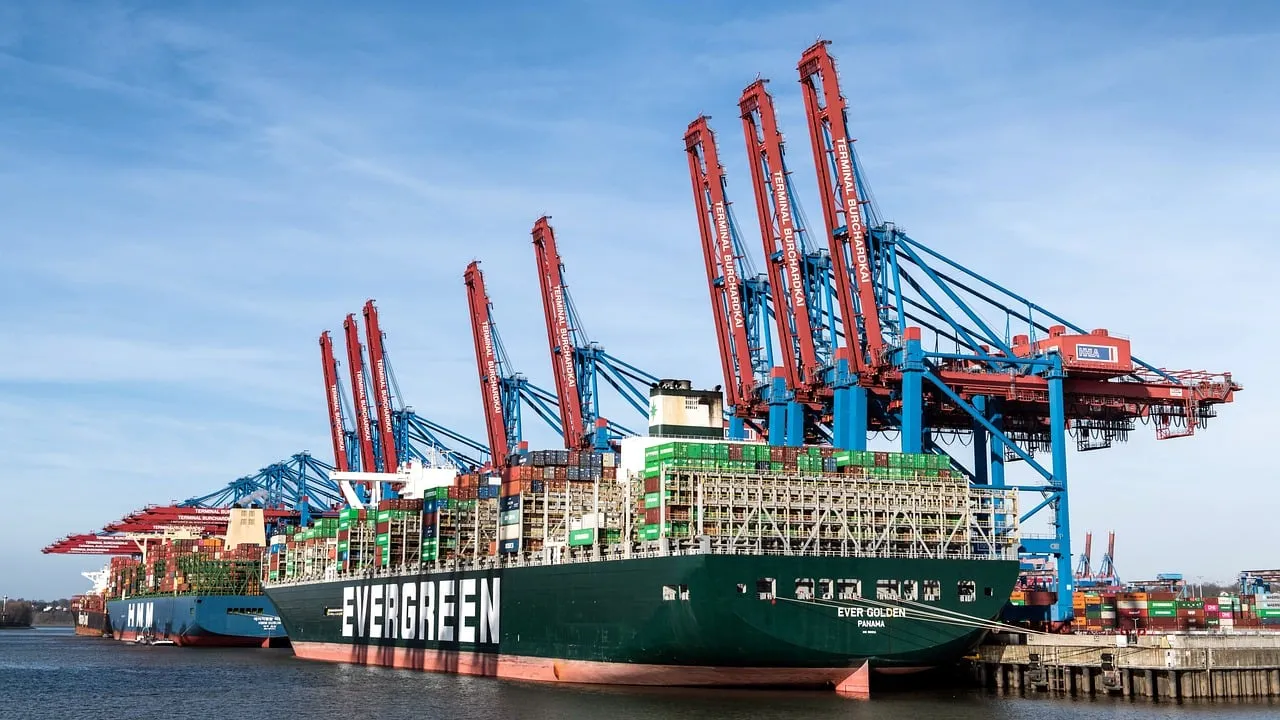
At the port late at night, the sound of containers being hoisted rose and fell. Mr. Zhou squatted down, picked up a handful of charcoal fragments shipped from Southeast Asia, and rubbed them between his fingers. “This is not ordinary BBQ charcoal,” he said in a hushed voice, “one ton re-sold means 40% profit.” —This industry, rarely noticed by the public, is quietly becoming a hidden track in international trade.
Why Does Charcoal Need "Re-export"?
Unlike direct trade, the core of re-export trade lies in leveraging regional policy differences. Taking Southeast Asia as an example, one country imposes a 25% charcoal tariff on country A, but only 5% on country B. At this point, traders first transport the goods to country B's bonded zone, re-label them, and then ship them to country A, thereby legally avoiding high tariffs.
- Cost Advantage: African raw charcoal's ex-factory price is about 200 USD/ton, and its selling price can reach 350 USD after re-export through the Middle East
- Policy Arbitrage: Differences in HS code classification for charcoal across countries can amount to 3 tariff percentage points
- Logistics Flexibility: During the pandemic, the transit efficiency of re-export ports was 30% higher than direct shipping capacity
Key Players in the Industrial Chain
Mr. Zhou trading company processed 12,000 tons of re-exported charcoal last year, and she revealed that this industry has a distinct three-tier structure:
- Source Suppliers: Family-run charcoal kilns in places like Congo and Myanmar, with a monthly capacity of no more than 50 tons
- Transit Service Providers: Providing "gray area" services such as bonded warehouse re-packaging and document compliance
- Terminal Buyers: Japanese high-end Binchotan charcoal buyers are willing to pay a premium for re-export
It is worth noting that Zhongmaoda and other professional organizations have started offering carbon footprint certification services to help re-exported charcoal obtain a green pass for the EU market.
Undercurrents of Risk Play
The 2,000 tons of "falsely labeled" charcoal seized in Dubai in 2023 exposed the potential risks in the industry:
- Origin Fraud: Using Vietnamese documents to disguise Cambodian charcoal, customs fines can reach 200% of the goods' value
- Quality Variation: A 5% increase in moisture content during sea transport can lead to trade disputes
- Sudden Policy Changes: One country suddenly listing charcoal as a strategic material, leading to the seizure of all goods in transit
An industry insider, who wished to remain anonymous, admitted: “We always adjust our routes 48 hours before customs tariff updates.”
The Future Belongs to "Transparent Re-export"
With the popularization of blockchain traceability technology, a new generation of traders is changing the rules of the game. By putting data such as firing temperature and transport temperature and humidity on the blockchain, the premium margin for re-exported charcoal has, on the contrary, increased by 15%.
“The most ironic thing about this business is,” Mr. Zhou said, looking at the containers being loaded onto the ship, “the more open and transparent the transaction, the more sustainable the profits.” Perhaps this industry, which operates in a gray area, will eventually find a new balance under the sunlight.
Have you encountered this type of "invisible" bulk trade? Feel free to share your insights on the compliance of re-export trade in the comments section.

Recent Comments (0) 0
Leave a Reply