In today's globalized trade wave, the trade forms of various commodities are becoming increasingly diversified. Today, let's have a good chat about the distinctive trade field of ceramic re-export trade. Have you ever wondered how those exquisite ceramic products find their way to every corner of the world through a special trade method? Then follow us to delve deeper into it.
I. What is Ceramic Re-export Trade?
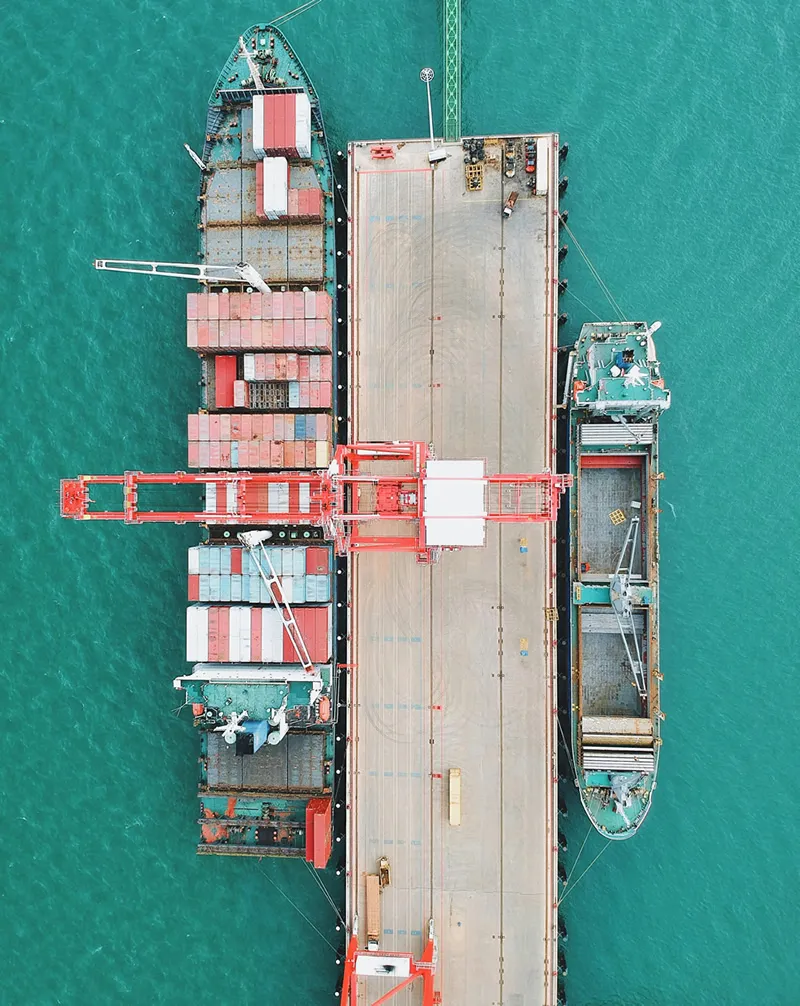
Simply put, ceramic re-export trade refers to the process where the country of production ships ceramic products first to an intermediate country or region, and then from this intermediate point re-exports them to the final consuming country. This is not an unnecessary step; there are many important reasons behind it. For example, some countries may have imposed high trade barriers on ceramics originating from certain countries. Through re-export trade, these obstacles can be cleverly avoided, allowing ceramic products to smoothly enter the target market. It's like finding a new trade channel for ceramic products to achieve a "curve to save the nation" strategy.
II. Advantages of Ceramic Re-export Trade
- First, as mentioned earlier, it can effectively circumvent trade barriers. For ceramic export enterprises facing high tariffs, strict quota restrictions, and other situations, re-export trade is undoubtedly a key to opening the door to new markets.
- Second, it can expand market reach. By selecting suitable re-export locations, ceramic products can be radiated to a wider area, reaching customer groups that were originally difficult to access, thereby increasing sales and enhancing the economic benefits of enterprises.
- Third, it helps optimize the supply chain. During the re-export process, the advantages of logistics and warehousing resources in the intermediate re-export location can be utilized to better allocate and manage ceramic products, improving the efficiency of the entire trade process.
III. Key Operational Points for Ceramic Re-export Trade
When conducting ceramic re-export trade, several key operational points need special attention. First, it is important to choose a suitable re-export location. Professional platforms like Zhongmaoda will recommend suitable re-export locations based on the characteristics of different ceramic products and the situation of the target market. Second, ensure the smoothness of the logistics process, as ceramics are fragile and require extra care during transportation, with proper packaging and selection of transportation methods. Third, handle relevant documents and procedures properly, such as the issuance of certificates of origin, which must comply with the regulatory requirements of re-export trade, otherwise, it is highly likely to encounter troubles in customs clearance and other links.
IV. Future Outlook for Ceramic Re-export Trade
With the continuous development of the global economy and the ongoing changes in the trade environment, ceramic re-export trade also has broad development prospects. On the one hand, the demand for ceramic products in more and more countries and regions is continuously increasing, providing a larger market space for re-export trade. On the other hand, the progress of related industries such as logistics and information technology will further facilitate the more efficient and convenient conduct of ceramic re-export trade. However, there will also be some challenges in the development process, such as the uncertainty of trade policies, but as long as enterprises can accurately grasp market dynamics and reasonably utilize re-export trade as a tool, they will surely be able to gain a share in the international ceramic market in the future.
In summary, ceramic re-export trade is a field full of opportunities and challenges. Friends engaged in the ceramic industry or interested in trade, why not delve deeper into this new trade path? It may open up a new world for your business development. What are your views or questions on ceramic re-export trade? Welcome everyone to discuss together.

Recent Comments (0) 0
Leave a Reply