Mr. Du recently encountered a strange incident: a batch of goods he re-exported through a certain country was declared to have a value of only 100,000 US dollars, but was assessed by customs at the final destination to be 500,000 US dollars. Even more peculiar, this batch of goods was not inspected in the re-export country; it only had its label changed before continuing its journey. What is hidden behind this? Today, we will uncover the little-known loopholes in re-export trade.
What is Re-export Trade?
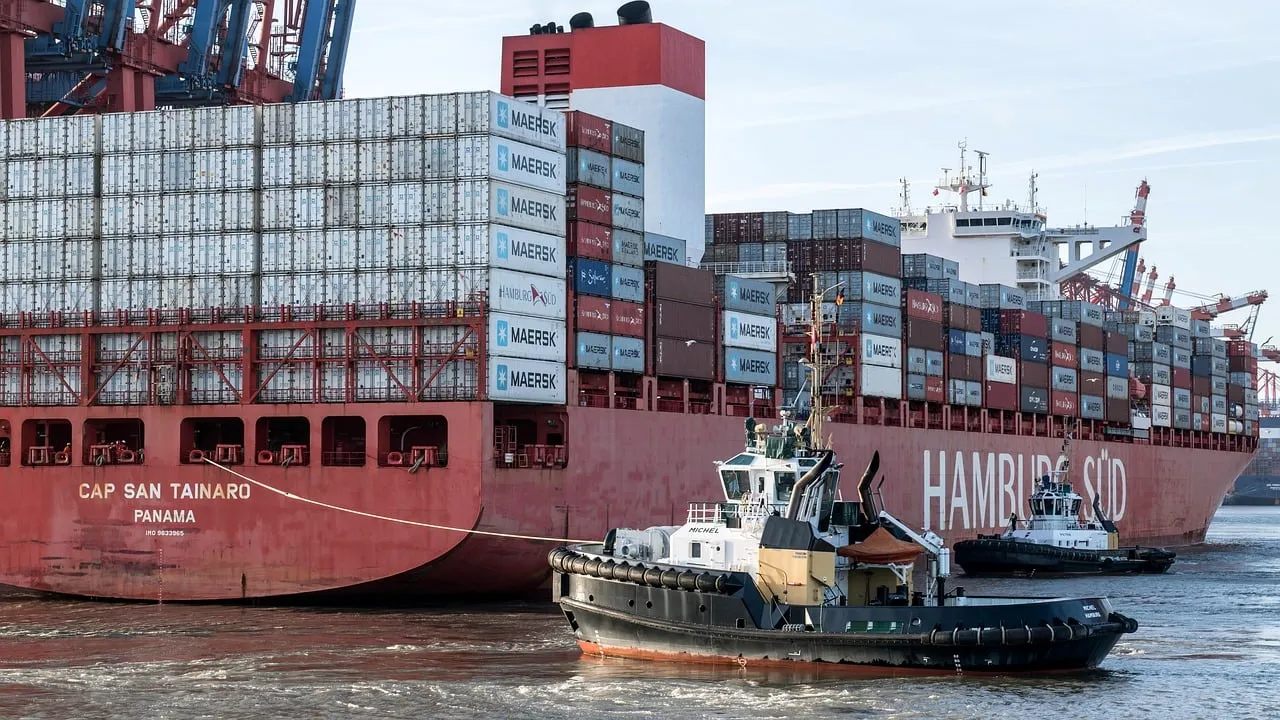
Re-export trade, in simple terms, is when goods are shipped from country A to country B, and then from country B to country C, with country B serving merely as a transit point. This trade method was originally intended to leverage the tariff policies of various countries to reduce corporate costs. However, in recent years, some unscrupulous individuals have been playing "magic" by exploiting the regulatory blind spots in re-export trade.
The three most common types of loophole tactics:
- False declaration of cargo value: Under-declaring the cargo value in the re-export country and over-declaring it in the destination country to evade taxes through price differences.
- Cargo swapping: Replacing goods at the transit station with inferior ones.
- Document forgery: Falsifying documents such as certificates of origin and inspection certificates.
Why are these loopholes persistent?
Mr. Du, who has been engaged in international trade for many years, revealed: "The biggest difficulty in regulating re-export trade lies in information asymmetry. Customs in transit countries often only check if the documents are complete and rarely conduct actual physical inspections. Moreover, customs data is not shared between countries, giving criminals opportunities to exploit."
Research reports from Zhongmaoda show that global tax losses due to re-export trade loopholes amount to tens of billions of dollars annually. Where does this money ultimately go? It is likely to end up in underground banks or be used for other illegal activities.
How to plug these loopholes?
Experts suggest the following measures:
- Establish a cross-border customs data sharing mechanism.
- Promote blockchain technology for full cargo traceability.
- Strengthen audits for companies that frequently use re-export trade.
It is worth noting that these measures require the cooperation of all countries. As for businesses, they should also strengthen self-discipline and avoid taking risks for temporary gains.
Conclusion: Trade facilitation does not equate to regulatory loopholes
Re-export trade is inherently a good policy to promote global trade, but if supervision cannot keep up, it can become a breeding ground for crime. We all could be victims of these loopholes – the ultimate payers are often law-abiding businesses and ordinary consumers.
Have you encountered similar re-export trade issues in your work? Please share your experiences and insights in the comment section. Let us work together to promote a more transparent and standardized international trade environment.

Recent Comments (0) 0
Leave a Reply