On the vast chessboard of global trade, steel re-export trade shines like a charming piece, attracting the attention of many trade participants with its unique operational methods and important role. Today, let us delve into the mysteries of steel re-export trade together.
What is Steel Re-export Trade?
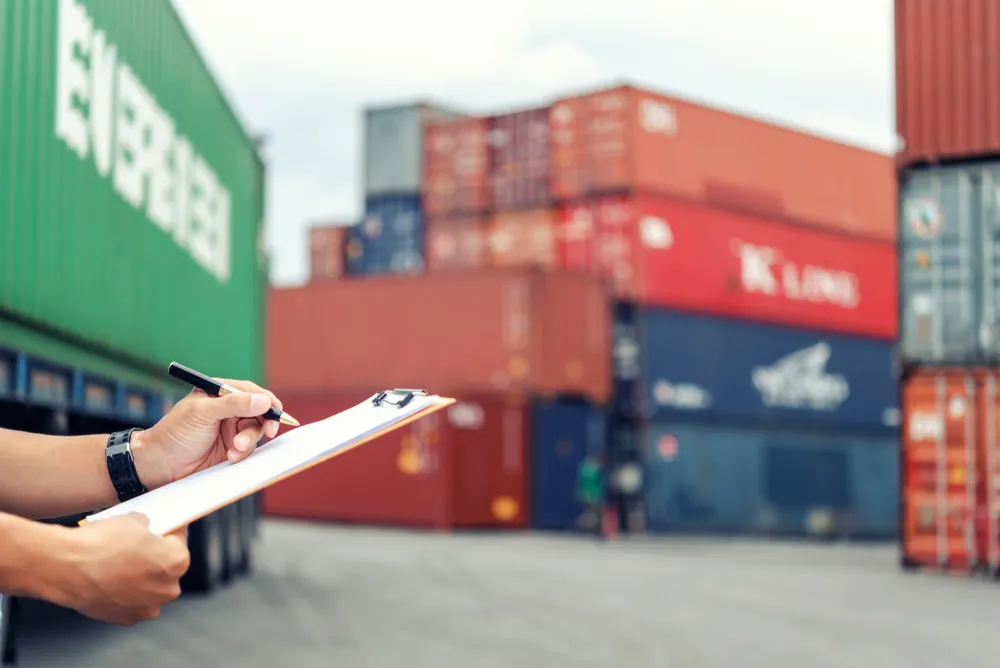
Steel re-export trade, in simple terms, refers to the trade activity where steel products are transited through a third country between the producing country and the consuming country. For example, steel products from country A, the production place, are not directly shipped to country B, the consumption place, but are first transported to country C. After transiting, warehousing, or even some simple processing in the ports of country C, they are then shipped to country B. In this process, country C plays the role of re-export trade. This form of trade is not new. With the continuous adjustment of the global steel industry layout and changes in the trade environment, steel re-export trade has become increasingly active.
Reasons for the Rise of Steel Re-export Trade
First and foremost, trade policies are a significant factor. Different countries have different trade policies, including tariffs and quotas. Some countries may impose high tariffs on steel products from specific sources to protect their domestic steel industry. In such cases, re-export trade, by utilizing the relatively lenient trade policies of a third country, can effectively reduce trade costs. For instance, Mr. Yu company, which faced high tariffs when directly exporting steel to a certain country, managed to circumvent some tariffs by re-exporting through a third country, thereby enhancing its product competitiveness.
Secondly, logistics convenience cannot be overlooked. Some countries or regions with superior geographical locations and developed port and logistics infrastructure have become ideal re-export destinations. These places can efficiently handle the loading, unloading, warehousing, and transshipment of steel products, greatly reducing transportation time and logistics costs.
Challenges Faced by Steel Re-export Trade
Although steel re-export trade offers many opportunities, it also faces considerable challenges. Firstly, policy risks. Trade policies of various countries are constantly changing. If the trade policy of the re-export country suddenly tightens, or if the importing country strengthens its regulation of re-export trade, it may lead to cargo delays and increased taxes and fees. Secondly, logistics risks. Steel products are large in volume and heavy in weight. If they encounter severe weather or transportation accidents during transit, it can cause cargo loss. Mr. Yu company once suffered considerable economic losses due to rust on some steel products caused by a typhoon at the transshipment port. Thirdly, market fluctuation risks. The prices in the steel market fluctuate frequently, and the cycle of re-export trade is relatively long. If steel prices drop significantly during the re-export process, it may affect trade profits.
How to Seize Opportunities in Steel Re-export Trade
To achieve success in steel re-export trade, one must first thoroughly study the trade policies of various countries and prepare contingency plans in advance. Enterprises should establish professional policy research teams to stay abreast of policy dynamics and respond quickly to policy adjustments. Secondly, choosing reliable logistics partners is crucial. It is important to evaluate the transportation capabilities, warehousing conditions, and emergency response abilities of logistics companies. Finally, strengthen market monitoring and utilize financial tools such as futures to hedge against price fluctuation risks and stabilize trade earnings.
Steel re-export trade, as an important component of global steel trade, is full of opportunities but also accompanied by challenges. Trade practitioners need to continuously improve their professional competence and keenly observe market changes to navigate through this complex trade field and achieve sustainable business development. It is hoped that more practitioners will actively participate in discussions, share experiences, and jointly explore better development paths for steel re-export trade.

Recent Comments (0) 0
Leave a Reply