On the grand stage of global trade, re-export trade acts like a low-key yet exceptionally capable "behind-the-scenes player." Though not always in the spotlight, it plays a vital role in the complex network of international trade. Today, let us step into the world of re-export trade together and explore its unique operational mechanisms and charm.
What is Re-export Trade?
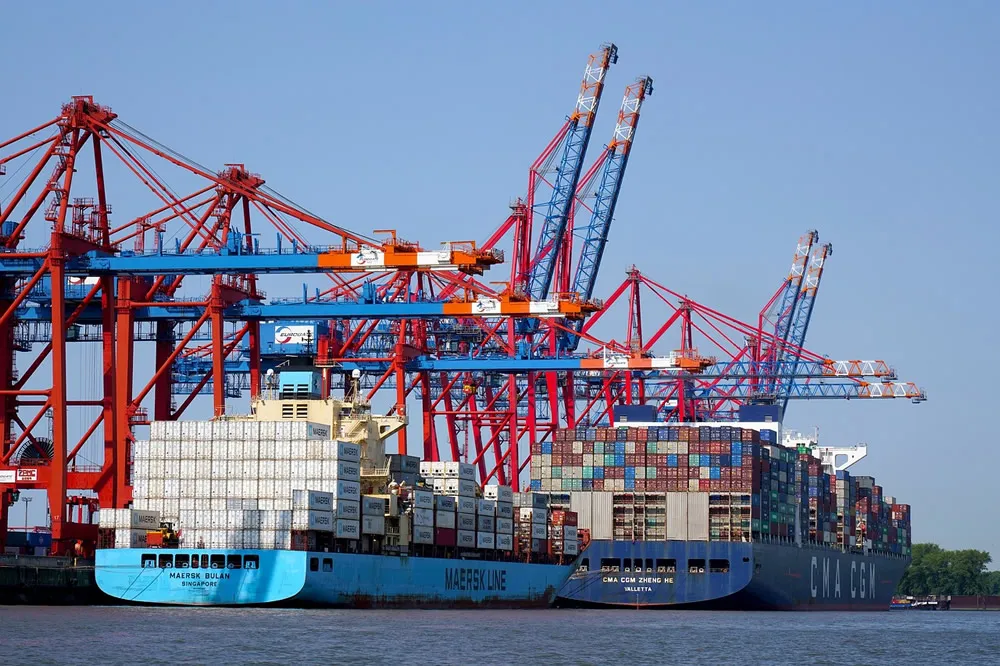
Re-export trade, simply put, refers to trade where goods are not directly bought and sold between the country of production and the country of consumption, but are transacted through a third country. For instance, Country A, where Mr. Gong is located, produces a certain specialty product, and Country B, where Mr. Gong is located, has demand for it. However, due to various reasons, such as trade barriers or transportation costs, there might be no direct trade between Country A and Country B. At this point, a trader in Country C discovers this business opportunity, first purchases the product from Country A, and then resells it to Country B. In this process, Country C serves as the transit point for re-export trade, and the goods might undergo operations such as storage, sorting, and packaging in Country C before being shipped to Country B.
Advantages of Re-export Trade
Re-export trade offers numerous significant advantages. Firstly, it allows for the circumvention of trade barriers. Some countries impose trade restrictions such as high tariffs or import quotas to protect their domestic industries. Through re-export trade, companies can leverage the preferential trade policies of a third country to bypass these barriers and successfully enter the target market. For example, if certain developing countries have signed special trade agreements with developed countries and enjoy lower tariff treatment, then companies from other countries can use these developing countries as re-export hubs to reduce the cost of their products entering the developed country market.
Secondly, it leads to optimized logistics costs. Under the global supply chain layout, logistics costs vary significantly across different regions. Re-export trade can achieve transportation route optimization and reduce transportation costs by rationally selecting transit points and integrating logistics resources. For instance, consolidating goods for shipment to a logistics hub port and then distributing them from the hub port to various destinations might be more cost-effective than direct shipping from the producing country to the consuming country.
Furthermore, it enables the diversification of product offerings. Re-export trade allows companies to integrate product resources from multiple countries, providing customers with a richer selection of products. Traders can bring together high-quality products from different countries to meet customers' diverse needs and enhance market competitiveness.
Risks and Challenges of Re-export Trade
Of course, re-export trade is not always smooth sailing and faces quite a few risks and challenges. On one hand, policy risks cannot be ignored. Trade policies of various countries can change at any time, such as tariff adjustments or the termination of trade agreements, which could cause the advantages previously gained through re-export trade to disappear instantly, leading to losses for companies. On the other hand, logistics risks are also prominent. During the transit of goods, there may be issues such as transportation delays, cargo damage, and warehousing risks, which place higher demands on logistics management and insurance arrangements. In addition, credit risks should not be overlooked. In re-export trade involving multiple trading entities, if one party experiences credit problems, such as payment defaults or discrepancies in delivery, it can trigger a chain reaction and affect the smooth progress of the entire trade process.
How to Respond to Re-export Trade Risks
To effectively respond to the risks of re-export trade, companies need to be fully prepared. First, they should closely monitor the trade policy dynamics of various countries, establish a policy early warning mechanism, and adjust trade strategies in advance. Second, they should strengthen cooperation with professional logistics companies, optimize logistics plans, and purchase adequate cargo insurance to mitigate logistics risks. Third, they should enhance credit management, conduct comprehensive credit assessments of trading partners, and sign detailed trade contracts to clarify the responsibilities and obligations of each party, thereby reducing credit risks.
As an important component of international trade, re-export trade embodies infinite business opportunities while also being accompanied by risks and challenges. It is hoped that the vast number of enterprises can gain a deep understanding of re-export trade, rationally utilize its advantages, effectively prevent risks, and ride the waves in the tide of global trade to create more brilliance. Let us actively explore and jointly uncover more value in the field of re-export trade. Your discussions and sharing of insights and experiences are also welcome.

Recent Comments (0) 0
Leave a Reply