In the current era of surging globalization, international trade is becoming increasingly frequent, with more and more companies turning their attention to overseas markets and importing various goods. However, the process of overseas import customs declaration, like a complex checkpoint, leaves many companies both curious and perplexed. Today, let us delve deeper into this crucial link that opens the door to global trade.
What is Import Customs Declaration?
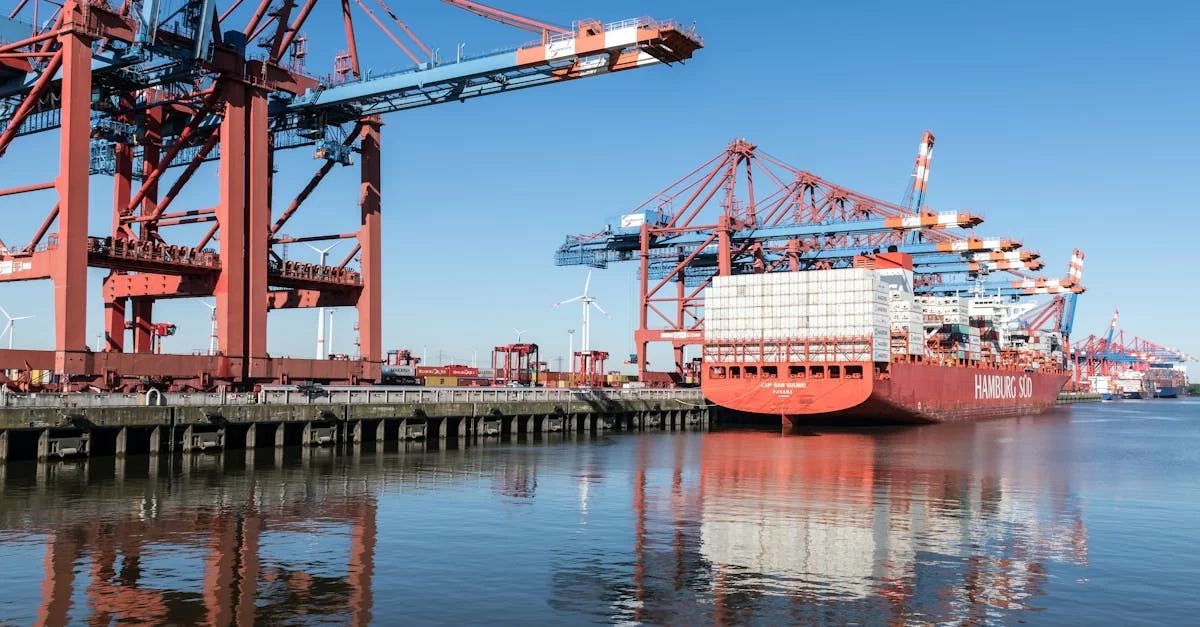
Simply put, import customs declaration refers to the process by which the consignee of imported goods or their agent goes through customs procedures for import declaration, tax payment, and other related matters when goods enter the country. It acts as an "order maintainer" on the international trade stage, ensuring that every import transaction is conducted within a compliant framework. Customs will review and inspect imported goods according to relevant laws and regulations, and only after passing this series of stringent procedures can the goods smoothly enter the domestic market.
The Process of Import Customs Declaration
The import customs declaration process is like a precise assembly line, with each step interconnected. The first step is declaration, where importers need to prepare complete and accurate documents, such as commercial invoices, packing lists, and bills of lading, and truthfully declare information about the goods to customs, including their name, quantity, value, and place of origin. This step is crucial, as any error or omission in the information can lead to delays in customs clearance.
Next is the inspection phase, where customs physically inspects the goods based on the declared information. This may involve random checks or comprehensive inspections, with the aim of verifying whether the goods match the declared information and if there are any prohibited items or attempts to evade supervision.
Then comes the taxation phase, where customs calculates and levies duties, value-added tax, and other taxes and fees on imported goods in accordance with relevant tariff policies. Accurate calculation of taxes and fees is an important task for importers, as tax rates vary for different goods, requiring a thorough understanding of customs policies.
Finally, there is the release phase. Once the declaration, inspection, taxation, and other processes are successfully completed, customs will stamp the relevant documents, and the goods can be retrieved from the customs-supervised area and enter the domestic circulation market.
Common Problems and Solutions in Import Customs Declaration
Various issues are often encountered during the import customs declaration process. For instance, document discrepancies, such as inconsistencies between invoice information and the bill of lading, require importers to communicate with suppliers promptly to revise the documents as soon as possible and avoid delays in customs clearance.
There is also the issue of incorrect commodity classification. Due to strict customs standards for classifying different goods, an incorrect classification can lead to the inappropriate application of tax rates. In such cases, importers can seek assistance from professional customs declaration companies or customs commodity classification consulting departments to ensure accurate classification.
Furthermore, if customs finds discrepancies between the goods and the declaration during inspection, it might be due to changes in the goods during transportation or oversights in the declaration itself. Importers should actively cooperate with customs investigations, provide reasonable explanations and relevant supporting documents, and strive for a proper resolution.
The Importance of Choosing a Professional Customs Declaration Company
In the face of complex import customs declaration procedures and potential problems, choosing a professional customs declaration company is particularly important. Professional customs declaration companies, such as Zhongmaoda, possess extensive experience and professional teams, and are familiar with the customs declaration requirements for various goods and changes in customs policies. They can assist importers in planning customs declaration strategies in advance, efficiently handling unforeseen situations during the declaration process, significantly improving declaration efficiency, and reducing import costs.
In conclusion, although overseas import customs declaration is complex, as long as we gain a deep understanding of its process, actively address common issues, and choose reliable customs declaration partners, we can navigate global trade smoothly. We hope that every friend engaged in import trade can successfully overcome this crucial hurdle and embark on a broader chapter of business.

Recent Comments (0) 0
Leave a Reply