When a cargo ship loaded with steel sails from Vietnam to Mexico, few might imagine that the steel's original origin is China. This is the magic of re-export trade—it's like a meticulously designed "global hide-and-seek," allowing goods to undergo an "identity transformation" in the customs data of various countries. Today, we will unveil this covert track with an annual transaction volume exceeding hundreds of billions.
The "Metamorphosis" of Steel in Re-export Trade
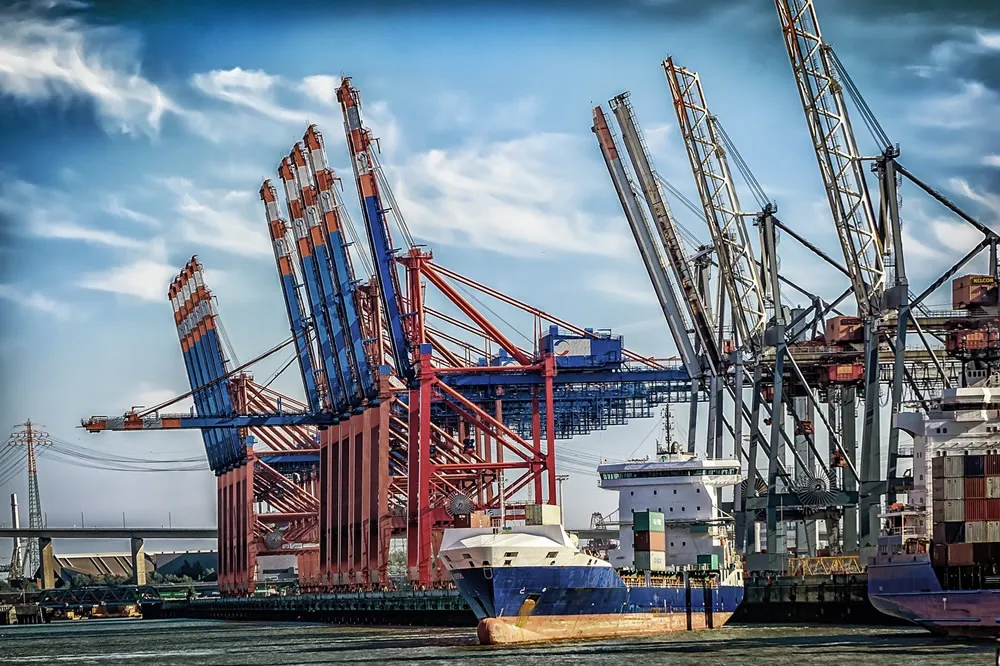
Last year, Mr. Yin company re-exported 120,000 tons of hot-rolled coil through Malaysia. This steel, produced in China, entered the European market with a Malaysian certificate of origin. The core value of re-export trade lies in helping enterprises circumvent tariff barriers in target markets, for example:
- The United States imposes a 25% tariff on Chinese steel
- The European Union's anti-dumping duty on some steel products can be as high as 73.7%
- Turkey requires additional safeguard duties on imported steel
Through third-country transshipment, this steel can enjoy most-favored-nation rates, or even zero tariff treatment. Mr. Yin trading company specializes in designing "Vietnam-India-Middle East" triangular logistics solutions for clients, increasing their profit margins by 18%.
Key Gears in the Operational Chain
A complete re-export trade solution requires the interlocking of multiple professional links:
- Document Reconstruction: Including the "compliance" processing of bills of lading, certificates of origin, and commercial invoices
- Logistics Design: Calculating cost variables such as transshipment port dwell time and container turnover efficiency
- Financial Pathways: Completing multi-currency settlement through offshore accounts
Industry reports from Zhongmaoda show that professional re-export service providers can control integrated costs within 3%-5% of the cargo value, far lower than the tariff costs faced by direct export.
A Blue Ocean of Coexisting Risks and Opportunities
This field also has obvious hidden reefs:
- The transshipment country suddenly modifies rules of origin (e.g., Vietnam's new regulations in 2023)
- The destination port customs initiates an anti-circumvention investigation
- International shipping prices fluctuate drastically
But the opportunities are equally enticing. With the increase in global trade barriers, re-export trade is evolving from a "gray area tactic" to a standardized service. A large steel enterprise, under the guidance of professional institutions, established a compliant transshipment base in Indonesia, successfully opening up the South American market.
The Future Belongs to "Sunlit" Operations
When you see steel marked "Made in Country A" at the port, consider: In the new normal of globalization, how is business intelligence reshaping the trade map? You are welcome to share your re-export case experiences in the comment section, or consult professional institutions to understand compliant solutions—after all, the entry ticket to this track belongs to those who understand the rules and dare to innovate.

Recent Comments (0) 0
Leave a Reply