When a batch of electronic products imported by Mr. Xia from Southeast Asia finally appeared in the European market, these goods never directly arrived at a Chinese port. Hidden behind this is a trade model worth trillions – re-export trade. Today, we will unveil this secret network connecting global markets and see how it enables goods to cross borders in the most economical way.
The "Golden Triangle" Logic of Re-export Trade
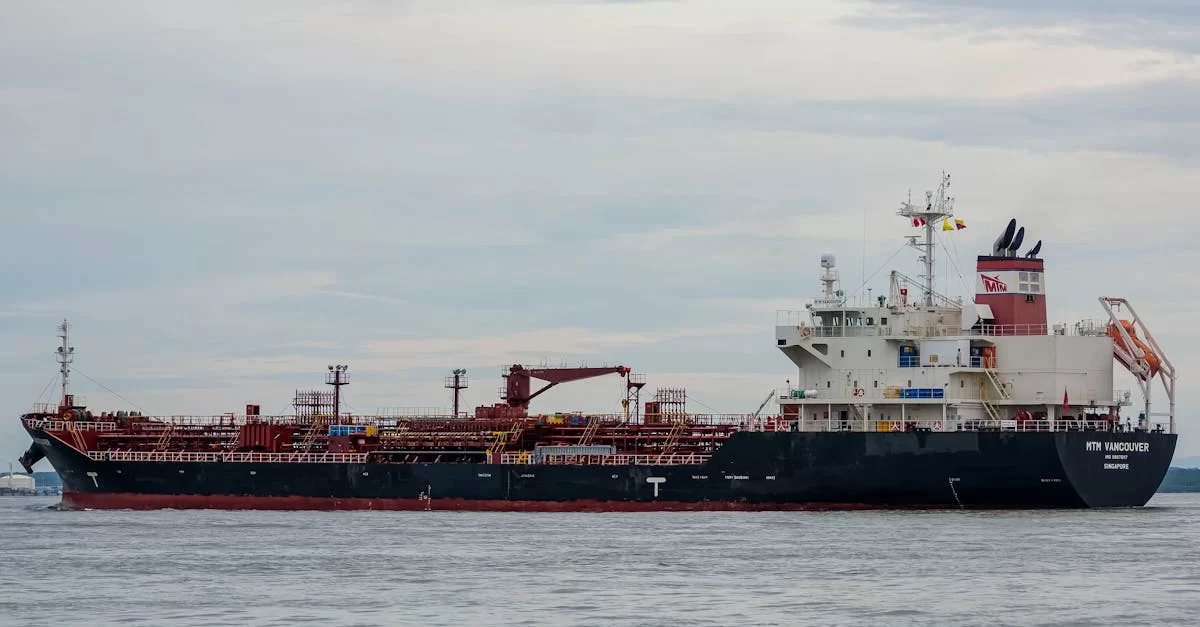
The core of re-export trade lies in leveraging the tariff differences and logistical advantages of different regions. Taking Zhongmaoda's case as an example:
- Zero tariff policy of Singapore's free port
- 48-hour customs clearance efficiency of Dubai's Jebel Ali Port
- Convenience of USD settlement in Panama's Colon Free Zone
After Mr. Xia textiles went through these three nodes, the final cost was reduced by 23% compared to direct shipping. This "circuitous route to save the country" trade method is reshaping the global supply chain landscape.
Five Key Indicators for Selecting Re-export Partners
Not all ports are suitable as re-export hubs. Professional buyers focus on:
- Political Stability: Avoiding risks of sudden policy changes
- Infrastructure: Port throughput and warehousing capacity
- Financial Support: Foreign exchange controls and letter of credit processing speed
- Language and Culture: English proficiency and compatibility of business customs
- Geographical Location: Key nodes on major shipping routes
Currently, Hamburg, Colombo, and Port Klang are performing prominently in these five ratings, becoming popular transit stations.
Warning: The "Gray Area" of Re-export Trade

When Mr. Xia avoided anti-dumping duties through re-export, his goods were detained for three months due to flaws in the country of origin documents. This reminds us to pay attention to:
- Strictly follow the country of origin rules of the transit country
- Retain a complete chain of evidence for logistics tracking
- Beware of illegal operations such as "wash-origin"
Zhongmaoda advises enterprises to establish a compliance checklist and update the dynamics of trade barriers in various countries quarterly.
The Re-export Revolution Brought by Digitalization
Blockchain technology is solving the biggest pain point of re-export trade – trust costs. Through:
- Smart contracts for automatic trigger of payment
- IoT devices for real-time tracking of container temperature and humidity
- AI algorithms for optimizing transit route combinations
Mr. Xia recent order's re-export time was shortened from 17 days to 9 days, verifying the value of technological innovation.
Does Your Supply Chain Need a Re-export Strategy?
When 80% of global consumer goods go through at least one re-export, rejecting this option may mean losing competitiveness. Consider a self-assessment with three questions:
- Are there tariff barriers in your target market?
- Are the main raw material sources and consumption locations separated?
- Do logistics costs exceed 15% of the product value?
If any answer is "yes," now is the time to start mapping out your re-export trade strategy. Feel free to share your re-export experiences or concerns in the comments section, and Zhongmaoda experts will select typical issues for in-depth analysis.

Recent Comments (0) 0
Leave a Reply