In today's global economic waves, international trade forms are increasingly diversified. Among them, re-export trade, like a bright yet somewhat mysterious pearl, has attracted the attention of many practitioners and observers. Today, let us delve into the re-export trade in international trade and see what unique charm and operational mysteries it holds.
I. What Exactly is Re-export Trade?
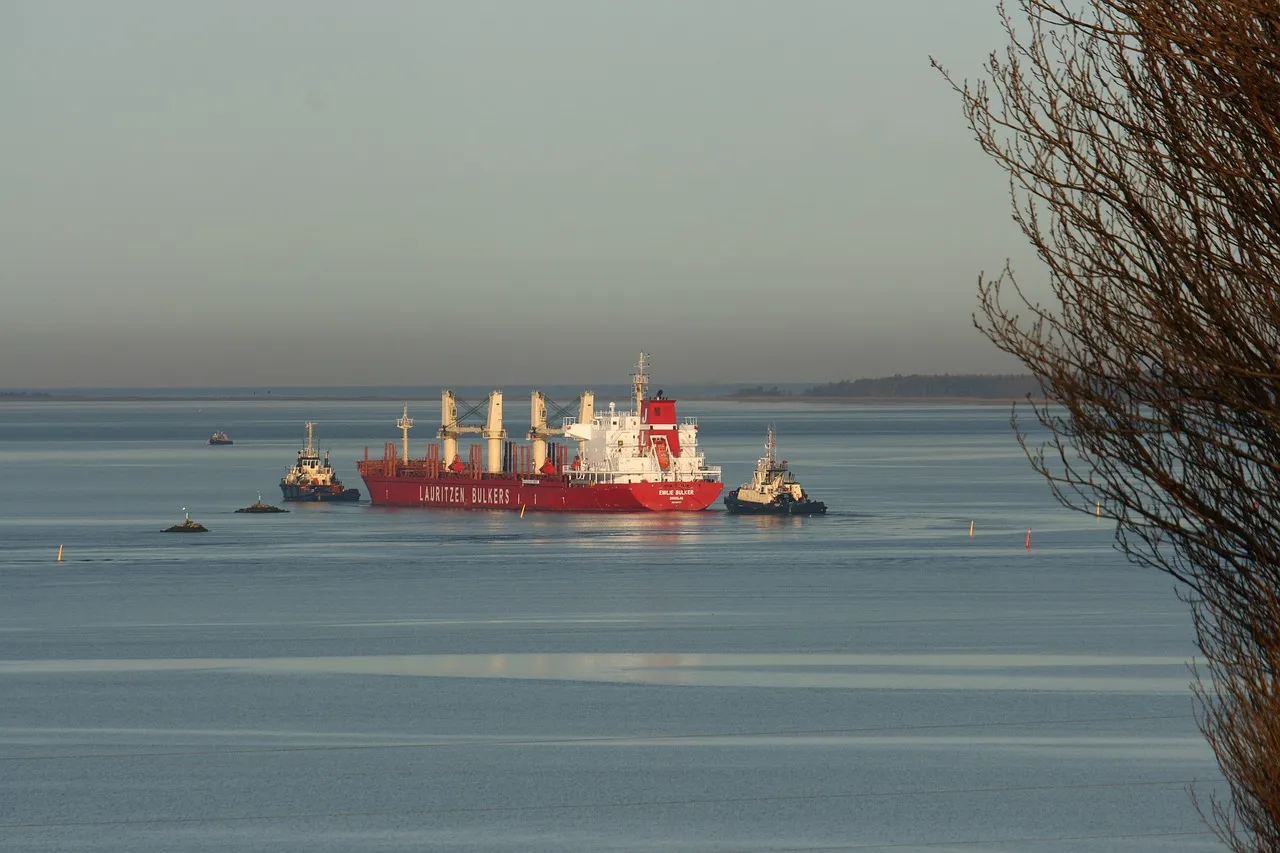
Re-export trade, simply put, is a trade activity where the country of production and the country of consumption do not conduct direct trade, but rather trade through a third country. For example, Country A produces a batch of special goods but does not sell them directly to Country C, which has demand. Instead, these goods are first exported to Country B, and then resold from Country B to Country C. In this process, Country B engages in re-export trade. This may involve various reasons, such as leveraging Country B's trade policy advantages, geographical location advantages, or its trade channel advantages in specific industries.
II. What are the Advantages of Re-export Trade?
- For the country of production, re-export trade can expand into broader markets. Some countries may face certain obstacles in trade with some consumer countries due to political, economic, or other factors. With the help of re-export trade, these obstacles can be bypassed, and products can be successfully introduced to the target market.
- For the third country engaged in re-export trade, it can earn profit from the price difference. At the same time, it can also drive the development of related industries in its own country, such as logistics, warehousing, and financial services, as the development of re-export trade requires the support of these ancillary industries.
- For consumer countries, re-export trade can sometimes provide more diverse product choices. Moreover, through the channels of re-export trade, a better balance in price, quality, and other aspects may be achieved.
III. The Operation Process of Re-export Trade
First, the exporter in the country of production shall reach a cooperation agreement with the intermediary in the third country engaged in re-export trade, clarifying details such as product specifications, quantity, price, and transportation methods. Then, the goods are transported from the country of production to the third country as agreed. In the third country, some necessary processing, packaging, or warehousing operations may be carried out. Next, the intermediary in the third country signs a sales contract with the importer in the consumer country and ships the goods to the consumer country. Throughout the entire process, multiple trade contracts, various transportation arrangements, and complex customs procedures are involved, requiring meticulous coordination and handling by all parties.
IV. The Role and Contribution of Zhongmaoda in Re-export Trade
As an influential enterprise in the international trade sector, Zhongmaoda plays a significant role in re-export trade. With its rich trading experience, extensive international cooperation network, and professional team, it can build an efficient and smooth re-export trade bridge between countries of production and consumption. Whether it is in finding suitable re-export trade partners, handling complex trade processes, or dealing with various trade risks, Zhongmaoda has performed excellently, helping numerous enterprises achieve their business goals in re-export trade.
V. Challenges and Countermeasures Faced by Re-export Trade
Re-export trade is not always smooth sailing and faces numerous challenges. For example, fluctuations in the international market may affect the price and demand of goods, bringing uncertainty to re-export trade. Furthermore, the trade policies and customs regulations of different countries vary, which requires enterprises engaged in re-export trade to constantly monitor and strictly comply with relevant regulations, otherwise they may face issues such as cargo detention and fines. To address these challenges, enterprises need to strengthen market research to keep abreast of market dynamics; at the same time, they must establish professional legal teams to ensure that trade activities are legal and compliant.
In summary, re-export trade in international trade, as a unique form of trade, has its undeniable advantages and importance, but it is also accompanied by a series of challenges. It is hoped that through the introduction of this article, more people will have a clearer understanding of re-export trade, and more enterprises will be able to explore more business opportunities in the field of re-export trade. If you have any other questions or insights about re-export trade, please feel free to leave a message in the comment section!

Recent Comments (0) 0
Leave a Reply