On the complex and ever-changing stage of international trade, re-export trade and indirect trade are like two interwoven notes, playing a unique melody. For many individuals involved in international trade, accurately understanding the differences and connections between them is crucial for grasping trade opportunities and avoiding risks. Today, let us delve into the mysteries of re-export trade and indirect trade together.
Re-export Trade: The Circuitous Trade Route
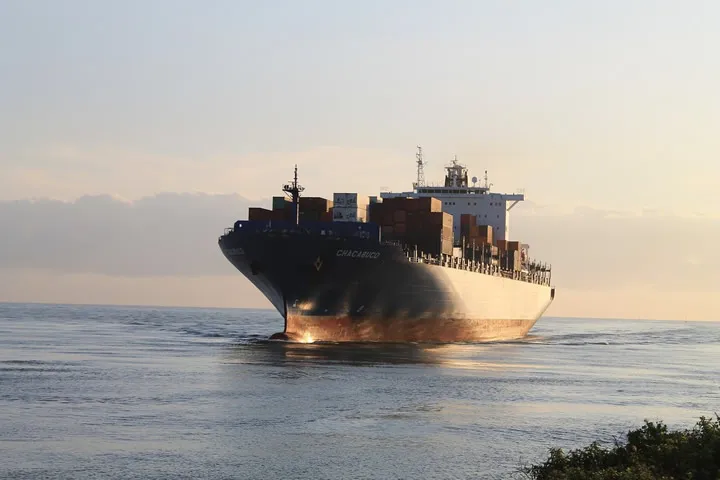
Re-export trade, simply put, refers to trade conducted between the country where goods are produced and the country where they are consumed, or between the country supplying goods and the country demanding them, through third-country traders who separately sign import and export contracts. Even if goods are shipped directly from the producing country to the consuming country, as long as no direct transaction relationship occurs between them, and a third-country re-exporter signs import and export contracts with both the producing country and the consuming country, this is also considered re-export trade.
Suppose Mr. Kong is a trade specialist at Zhongmaoda Company. His company procures a batch of high-quality electronic products from Country A and then sells them to Country B. Although these goods may be shipped directly from Country A to Country B, because Zhongmaoda Company participates as a third-country trading entity, signing corresponding import and export contracts, this is a typical case of re-export trade. The existence of re-export trade is often due to the unique geographical location, well-developed trade facilities, or special trade policies of the third country where the re-exporter is located, allowing them to derive trade profits.
Indirect Trade: A Trade Model of Separated Production and Sales
Indirect trade refers to the buying and selling of goods between the country where goods are produced and the country where they are consumed, through a third country. In indirect trade, the producing country is indirectly exporting, and the consuming country is indirectly importing, while the third country serves as the re-export point. For example, the company where Mr. Kong works produces specialty textiles and originally intended to sell them to Country C. However, due to various reasons, the products are sold to Country C through a trader in Country D. Here, Mr. Kong company is indirectly exporting, Country C is indirectly importing, and Country D is the re-export country.
The occurrence of indirect trade may be due to a lack of direct trade channels between the producing country and the consuming country, information asymmetry, or trade barriers. Through traders in a third country, these issues can be effectively resolved, allowing trade to proceed smoothly.
Differences and Connections Between the Two
From a conceptual standpoint, re-export trade places more emphasis on the commercial operations of third-country traders, profiting through buying low and selling high. Indirect trade, on the other hand, focuses on the path of goods from the producing country to the consuming country, highlighting the role of the third country as an intermediary. In re-export trade, the third-country trader plays a core role and is the actual operator of the trade; in indirect trade, the third country functions more as a bridge, connecting the producing country and the consuming country.
However, they also have close connections. Both involve a third country and, to some extent, address potential trade barriers between the producing and consuming countries. Whether it is re-export trade or indirect trade, both provide avenues for the diversified development of international trade and promote the rational allocation of global resources.
Conclusion: Grasping Trade Opportunities and Understanding Trade Models
In the wave of globalization, re-export trade and indirect trade offer enterprises more trade choices and development space. Enterprises need to flexibly select suitable trade models based on their own resources, market demand, and trade environment. It is hoped that friends engaged in international trade, by deeply understanding re-export trade and indirect trade, can find the right direction in the complex international market, seize opportunities, and achieve their own trade goals. You are also welcome to share your experiences and stories in re-export trade or indirect trade in the comment section.

Recent Comments (0) 0
Leave a Reply