Hey there, foreign trade practitioners and friends interested in import business! Today, we're going to have a good chat about the field of import customs brokerage, which has quite a few peculiarities. These peculiarities not only relate to whether goods can clear customs smoothly but also affect the cost and efficiency of the entire import business. Now, follow me to delve deeper into them.
I. The Strictness of Regulations and Policies
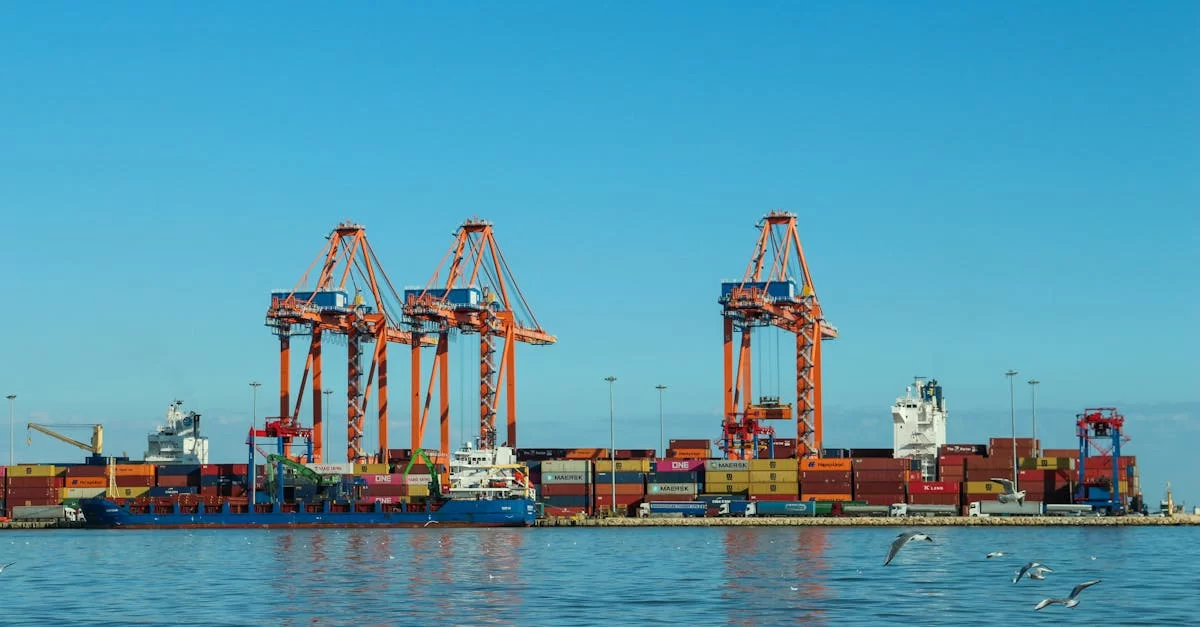
The primary challenge for import customs brokerage work is dealing with strict regulations and policies. Different countries have detailed and strict regulations for imported goods regarding categories, quality standards, packaging requirements, and so on. Taking food imports as an example, they must not only comply with our country's food safety standards but also have very detailed document requirements for the food's certificate of origin and production and processing procedures. Customs brokers must constantly monitor updates and changes in these regulations and policies; a slight oversight can lead to goods being detained at customs or even facing the risk of return. This requires brokerage companies to have a professional team dedicated to regulatory research. Professional customs brokerage agencies like Zhongmaoda regularly organize staff to study the latest regulations to ensure faultless operations.
II. The Complexity of Documentation
The documents required for import customs declaration are truly diverse.
- First, there's the basic commercial invoice, which accurately records information such as the value and quantity of the goods.
- Next is the bill of lading, an important proof of goods transportation.
- There's also the certificate of origin, used to prove the origin of the goods to enjoy corresponding tariff preferential policies, and so on.
Moreover, the data in these documents must correspond with each other without contradictions. Customs brokers need to carefully check each document to ensure its completeness and accuracy. This is not an easy task; even a small data error can cause major problems, such as overpaying customs duties or customs questioning the authenticity of the goods. Therefore, import customs brokerage must possess a high degree of professionalism and meticulousness in document processing.
III. The Tediousness of Customs Procedures
Customs inspection, declaration, and taxation procedures are quite tedious.After goods arrive at the port, they must first be declared, with the declaration content covering all aspects of the goods.Then, customs will decide whether to conduct an inspection based on risk assessment. If selected for inspection, the goods must be unloaded and undergo a thorough check by customs personnel. This process can take a lot of time, and if problems are found, subsequent handling will be more troublesome. The taxation is equally complex; customs duties, value-added tax, and other taxes must be accurately calculated based on factors such as the type and value of the goods. Customs brokers must be familiar with every step of the customs procedure and be able to efficiently cooperate with customs to complete various tasks, ensuring goods clear customs as quickly and smoothly as possible, just like Zhongmaoda's customs brokerage team, which handles customs procedures with ease thanks to their rich experience.
IV. The Importance of Risk Management
During the import customs brokerage process, various risks can arise at any time. For example, goods might be damaged during transit, leading to discrepancies with the declared content; or there might be a sudden change in customs policy, making previously compliant goods no longer compliant. In such cases, customs brokerage agencies need a robust risk management mechanism. On one hand, they must conduct risk assessments in advance and inform clients of potential risks and countermeasures; on the other hand, when risks occur, they must be able to quickly take effective measures to resolve problems and minimize client losses. Only in this way can they win client trust in the highly competitive import customs brokerage market.
In summary, the peculiarities of import customs brokerage determine that it is a highly specialized and demanding industry. Understanding these peculiarities, whether you are a foreign trade enterprise choosing a customs brokerage company or an aspiring professional in this industry, will enable you to proceed with greater focus. I hope everyone has a smooth journey in their import business, and you are welcome to share your experiences or questions about import customs brokerage in the comments section!

Recent Comments (0) 0
Leave a Reply