In the peak summer at Xiamen Port, containers are stacked like building blocks, and a freighter is slowly departing. Surprisingly, a third of the cargo marked for "Dubai" consists of electric fans labeled "Made in China." "Middle Eastern customers can't do without fans in the summer, but they trust the quality of products re-exported via Singapore more," revealed Mr. Cui, who has been in foreign trade for over a decade. Xiamen has become a hidden hub for global electric fan re-export trade, with over 20 million fans departing from here annually, sold overseas at a 30% premium after rebranding in third countries.
Why Does Xiamen's "Re-export Trade Model" Work?
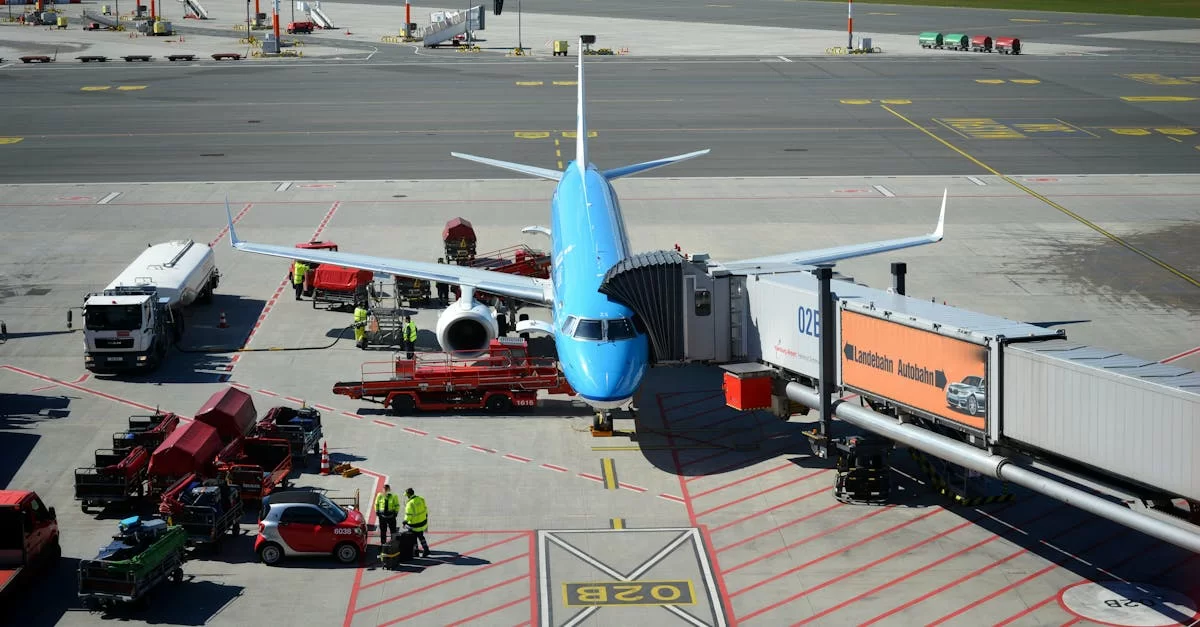
Unlike traditional direct exports, the core of re-export trade lies in reconstructing the value chain by leveraging geographical and policy advantages. Xiamen forms a closed loop with three unique strengths:
- Prime Geographical Location: Only a 3-5 day journey to major Southeast Asian ports, saving 2 days of logistics time compared to the Pearl River Delta.
- Tariff Lowland: Under the ASEAN Free Trade Agreement, electronic products transshipped via Xiamen enjoy a 5%-8% tariff reduction.
- Industrial Support: Within a 200-kilometer radius, contract manufacturers like Midea and Gree are clustered, supporting flexible customization.
The Invisible "Value-Added Magic"
Mr. Cui trading company recently received a special order: 2,000 retro iron-blade electric fans, requiring them to be shipped to Malaysia for OEM labeling before being sent to Europe. "The client is willing to pay an extra 15% just to have the product carry a 'Southeast Asian design' label." Behind this operation are three major value-added points of re-export trade:
- Evading anti-dumping duties: "Washing" the origin through a third country to avoid high tariffs imposed by Europe and America on small Chinese home appliances.
- Brand Premium: The Middle Eastern market shows a 40% higher price acceptance for Singapore-certified products.
- Tax Planning: Utilizing tax exemption policies in Hong Kong and Singapore to reduce overall costs.
Undercurrents of Industry Change
The seemingly prosperous re-export trade is facing new challenges. At a recent industry exchange meeting, several practitioners mentioned, "After RCEP took effect, Vietnamese factories started competing for orders, so we have to compress transit times to within 72 hours." The current market shows two major diverging trends:
- High-end Transformation: Smart inverter fans, after transshipment through Xiamen, are fitted with IoT modules, boosting profit margins to 25%.
- Service Chain Extension: Companies like Zhongmaoda are starting to provide integrated "transit warehouse + overseas warehouse" solutions.
Where is the Next Big Opportunity?
Standing on the observation deck of Haicang Free Trade Zone, container trucks move like busy worker ants. Analysts predict that by 2025, the global electric fan re-export trade will exceed $8 billion, but the competition has evolved from mere geographical transit to:
- Digital Capabilities: Blockchain traceability technology addresses the trust crisis of "origin washing."
- Green Thresholds: New EU regulations require transshipped products to provide carbon footprint certificates.
- Scenario Innovation: Halal-certified fans for the Middle Eastern market are currently undergoing testing.
As the sea breeze once again sweeps across the metal surfaces of the containers, those electric fans embarking on their journey are quietly telling a new narrative of "Made in China" going global. Perhaps the next time you see a "Singaporean-designed" electric fan priced at 299 dirhams in a Dubai mall, you'll recall the container filled with business acumen at Xiamen Port.

Recent Comments (0) 0
Leave a Reply